Getting Started with Tomatoes the Right Way
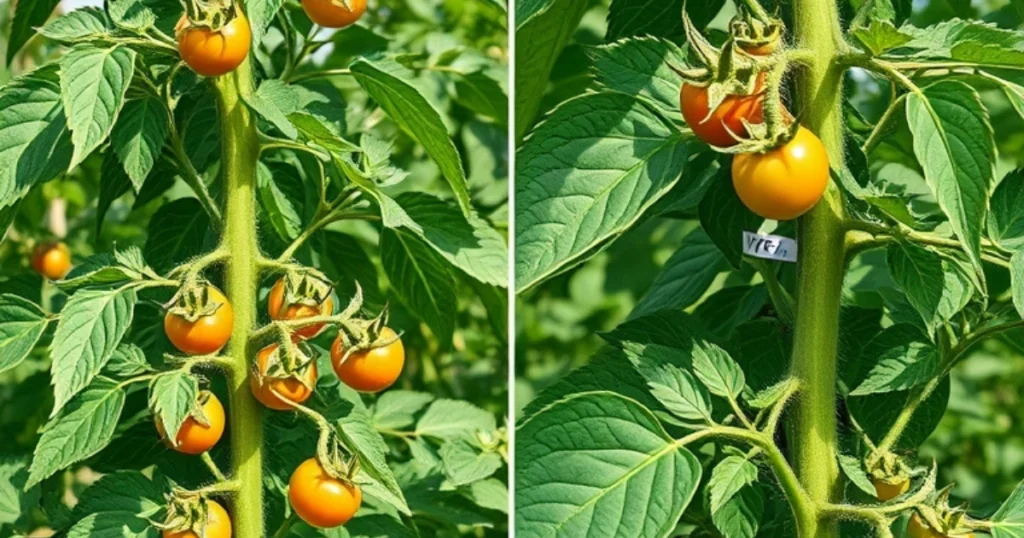
To grow great tomatoes in your garden, start with the right guidelines and gardening techniques. Use the Tomato Chooser to help you pick the best tomato varieties, and check out the Learn Tomato Terms article to learn about hybrid, indeterminate, and determinate types. Choose disease-resistant plants with VFN to avoid disease, since veggies like tomatoes can be very susceptible. Indeterminate types are tall growing plants (about 5 to 8 feet) and grow a fruit cluster every third leaf. Determinate types are shorter growing plants (1 to 5 feet) and each stem terminates in a cluster. To help plants produce more, remove excess suckers from the stems and leaf axil. A good rule of thumb is to leave 3 stems per plant if they are spaced 3 feet apart, and cut off other suckers before they reach 3 inches. A good example is the Roma, a determinate tomato that grows well if your goal is to can food that matures all at once to enjoy later.
Planting Tips and Early Care for a Strong Tomato Season
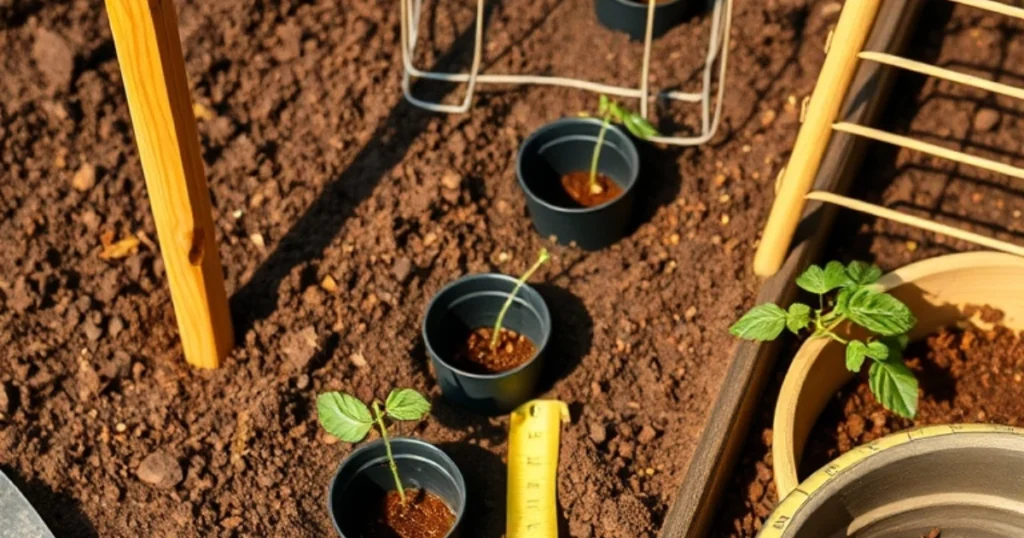
One of the first questions I get asked is “when do I plant tomatoes?” From my experience, the best time is early summer or spring, depending on your zone. For those in zone 10, tomatoes do best as a fall or winter crop. I always choose starter plants or young tomato plants from trusted sources like Bonnie Plants® for a reliable head start. Make sure to place them in a sunny spot that gets at least 6 to 8 hours of sun, which brings out the best flavors. Whether you’re using a stake, trellis, or cage for support, have your support plan ready before planting to keep the plants off the ground. When spacing, I use 3 feet apart for indeterminate varieties like long-vined types, and 2 feet apart for determinate plants—this gives each plant enough room to grow and contributes to growing tomatoes that thrive.
Before planting, I prepare the planting area thoroughly by mixing aged compost and Miracle-Gro® Performance Organics® All Purpose In-Ground Soil into the top layer of the existing soil. In containers, I go for a 24-inch pot for an indeterminate variety and an 18-inch pot for a determinate variety. I always fill the pots with premium potting mix like Miracle-Gro® Performance Organics® All Purpose Container Mix to ensure best growth. The ideal soil pH for tomato plants is 6.2 to 6.8, which supports better uptake of plant nutrients, especially when paired with a constant supply of major nutrients and minor nutrients. At this stage, I mix in Miracle-Gro® Performance Organics® Edibles Plant Nutrition Granules, a continuous-release fertilizer high in calcium, to the planting holes to provide a nutrient-rich base. This helps protect against blossom end rot, a common problem caused by a lack of calcium in the growing season.
To build a strong tomato plant, I always use the deep-planting method, burying two-thirds of the stem to encourage it to sprout roots along the buried stem. This single crucial step makes the plant much more resilient in a drought, helping it stay stronger and survive stress. I also blend in about 3 to 4 inches of compost to hold moisture and fertilizer longer in the soil. Once the seedlings are in, I water them deeply to help them settle. To push for an early crop, I match fast-maturing varieties with season-stretching techniques, but I never plant until the last frost is behind me. Then I cover the ground with 2 to 4 inches of mulch, like straw or shredded leaves, to minimize weeds and keep the soil evenly moist. Through the summertime, I water regularly, aiming for an inch of moisture per week through rain or watering. With a quick feel of the top inch, if it’s dry, I know it’s time to water again.
Key Things to Watch as Your Tomatoes Grow
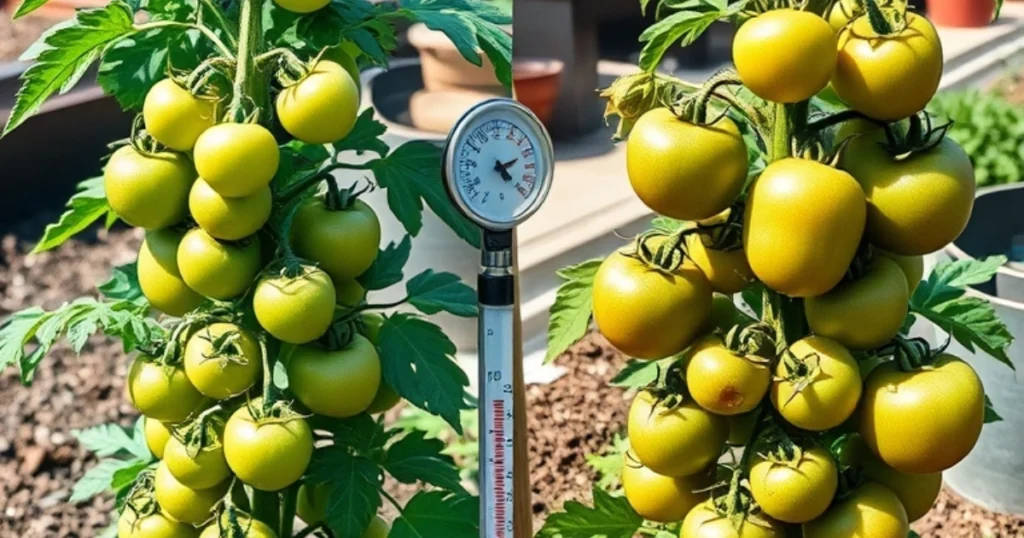
As you grow tomatoes, there are many things to watch out for to keep your plants healthy and productive. Using a clear tomato growing guide has helped me avoid many early issues. First, know your frost-free date; this tells you when it’s safe to plant. Your area’s daytime temperatures and night temperatures also matter. For strong fruit set and proper ripening, tomatoes grow best between 60 degrees F and 80 degrees F, and suffer in extreme heat or temperatures above that. If blossoms shed without setting fruit, poor timing, dry soil, or a lack of calcium could be the cause. I always check the bed and soil moisture, especially in summer, and use a hose, slow soak, or rain barrel method to irrigate when needed. A long soak at the base of the plant keeps leaves wet from above watering, reducing soil splashing and diseases like blossom-end rot, a physiological disorder often caused by moisture swings or low calcium. To protect against this, I use calcium solution, lime, and mulch plants to keep the soil level steady and the top mulched.
Another tip I follow is using container gardening or raised beds with disease-free soil. If you’ve had tomato wilt diseases like verticillium, fusarium, or nematodes, try crop rotation and grow in new locations each year. A good 3-4 year rotation across plant families, especially for related crops like eggplants and peppers, lowers the risk of soilborne disease cycles. Always choose disease-resistant varieties, especially those labeled with VFN on the plant label, to help prevent the spread of future diseases. I also remove lower leaves and keep a buffer between them and the top of soil, since rain or overhead watering can cause harmful water to be splashed onto foliage. This can lead to decay, more disorder, and wet leaf damage. Fertilize using cultural methods, add calcium foliar feeding only as a stop-gap solution, and focus on treating the underlying causes like uneven soil moisture. Give your plants space, planting with plenty of space between them, and invest in strong resistance strategies so your garden thrives—no matter how tough the season gets.
Keeping My Tomato Plants Strong and Healthy
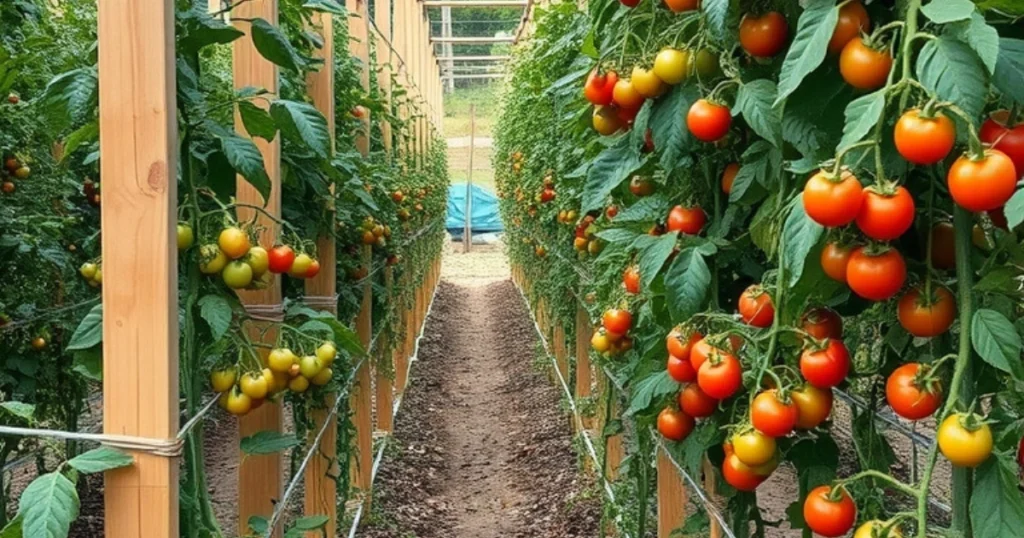
To get the most out of your tomato plants, it’s important to maintain them with care from the moment they’re planted. I’ve learned by growing over 120-tomato plants that consistency matters—from warm spring days to peak summer. I use Bonnie Plants or grow from seeds in the greenhouse, always making sure my soil is rich and well-drained soil is in place. My team and I place upright stakes in the ground, connected with horizontal supports, forming a strong tee-pee system for climbing vines. Each vine is tied with jute using a figure eight knot so that the stems don’t get crushed. Throughout the season, we’re always checking for suckers, yellowing leaves, or vigorous stems, and we prune every 14 days to keep the plant shape neat and airflow open. This helps boost growth and overall performance, especially under hot weather conditions, where we often top 90 or even 95 degrees.
I work closely with my gardener, Ryan McCallister, and trust his eye for when to tie or trim properly. In July, during midsummer, we start to see solid cluster sets of cherry tomatoes, and plants reach knee-hi or more. Each stem is guided gently against the stake, avoiding damage, and canes are added where needed. Ryan trims the side branch regularly, especially below the first fruit, to avoid wasted energy. We only use natural materials like wood, twine, or rope across the farm, keeping the setup uniform and good-looking. I also feed with nutrients, making sure roots stay strong and fruits ripen well. Some of our early varieties mature quickly, needing attention by June, while others harvest in fall. I always check temperature and plant health, using my senses—the touch of fuzzy leaves, the smell of the open plant, the sound of bees in the garden. When it’s time to start harvesting, whether for fresh eating or cooked into sauces and kept in cans, I treat tomatoes the same way I do when curing potatoes—with patience, care, and a respect for nature’s timing.
Practical Fixes from the Tomato Corner
When caring for tomato plants, challenges always pop up—especially during summer. If your plants are having trouble setting fruit in the 90s, it’s likely due to high temperatures. I’ve found that picking heat-tolerant tomato varieties bred for tough weather helps a lot. Don’t forget to water regularly using drip irrigation or soaker hoses, especially during droughts. These drought-busting techniques help maintain even soil moisture, which can prevent problems like cracked fruits or blossom end rot. That condition often comes from moisture fluctuation or lack of calcium, which the plant can’t take up evenly when it’s stressed. I remind gardeners to be patient in summertime—you may lose a few green tomatoes, but once the nights start cooling down, they’ll bounce back. As you harvest, remove ripe tomatoes to relieve the stressed plants from their heavy burden.
In my tomato corner, I always tell growers to watch for early blight and fungal diseases, especially when humid weather creates ideal conditions. Dark spots on lower leaves are an early sign—just remove the diseased leaves right away. Things like late blight can be a devastating disease, so act fast: keep the garden clean of plant debris, and protect the crop by spraying with fungicide like chlorothalonil or copper. During mid-summer, I’ve seen hornworms and green caterpillars destroy tomato foliage in short order. Just one tomato hornworm can strip a plant leafless overnight—spot them and deal with the pest immediately. By late summer, you may notice signs of exhaustion in plants that began producing early in the season. I prune withered leaves and weak branches, then follow up with liquid plant food and treatments for leaf diseases or insects—whatever’s needed. For more support, I always recommend reading the Tomato Quirks guide—it’s full of real troubleshooting information that’s helped countless gardens thrive.
Final Touches for Strong Tomato Plants
To keep your tomato plant healthy and productive, make sure to plant it in full sun and bury part of the stem deep for better root growth in well-drained soil. Support it with stakes, cages, or even a bean teepee to keep it upright and strong. I like to apply compost and fertilizer every few weeks to encourage steady growth and increase fruit production, while mulch helps retain moisture and prevent diseases. Regular watering at the base of the plant once to twice a week provides consistent moisture, especially during hot and sunny weeks. A simple spritz of baking soda can boost your tomatoes’ yield by up to 30%, and helps fight fungal diseases, bacterial diseases, powdery mildew, gray mould, late blight, and even anthracnose. Thanks to the myriad of uses this one trick offers, I’ve seen real increases in both tomato quality and production under steady sunlight and care.