Starting Your Tomato Journey Right
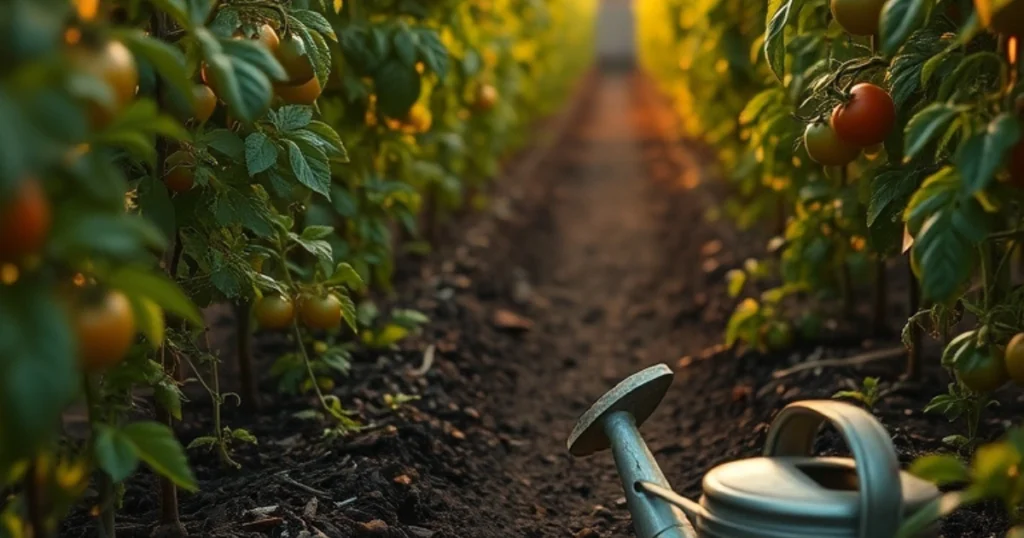
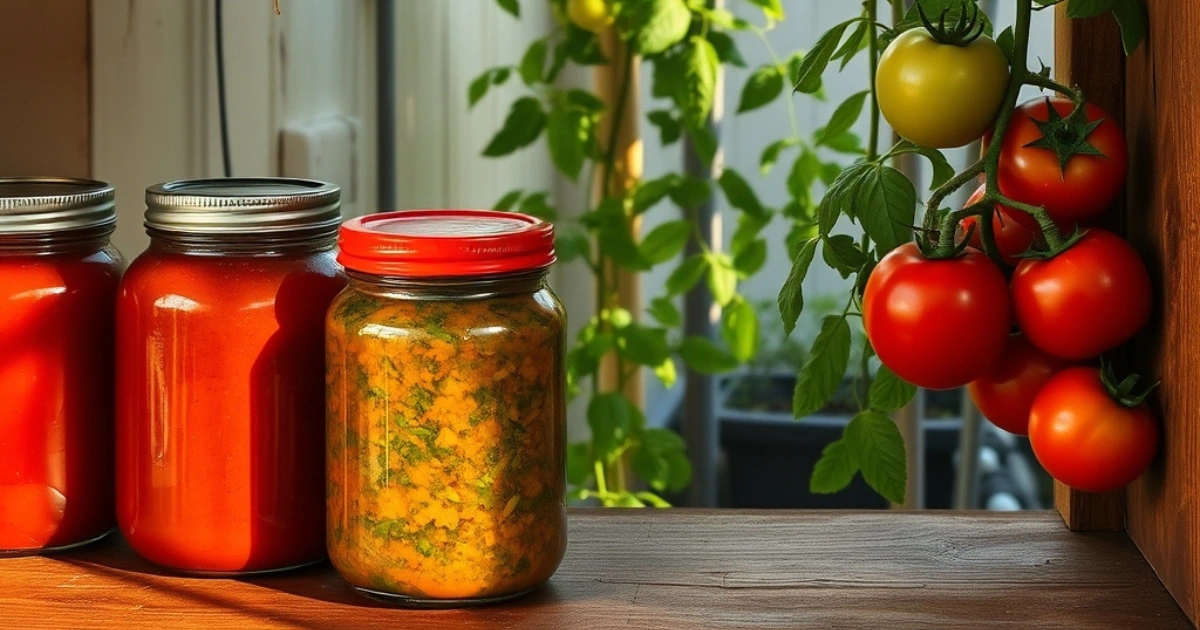
Growing tomatoes has become a favorite part of my life as a gardener, especially after years of turning a one-tomato harvest into rows of homegrown jars filled with homemade tomato sauce, fermented salsa, and stewed tomatoes. Whether you live in the city or on a homestead, starting by planting tomatoes in a sunny spot can lead to real joy and even better food. I’ve shared my story on the Pioneering Today Podcast, written it on my blog post, and continued it through each new season with updated tomato-growing tips. Watching my 2 year old daughter in the garden inspecting each ripened red fruit, eager to eat veggies straight from the vine, reminded me how important the process of cultivate and patience is for both kids and adults. She never touched a tomato when it was served indoors in the kitchen, but she owned every bite when she picked it herself, showing how real ownership leads to healthy habits. After the first frost, we store the green tomatoes and enjoy the snack versions all fall long. And yes, I’ve even found a spot to train tomatoes on a cucumber trellis when space was tight, proving that with the right tips, a few plants, and some care, anyone can enjoy the true creation that a simple tomato brings from garden to pantry.
Best Spots to Grow Tomatoes
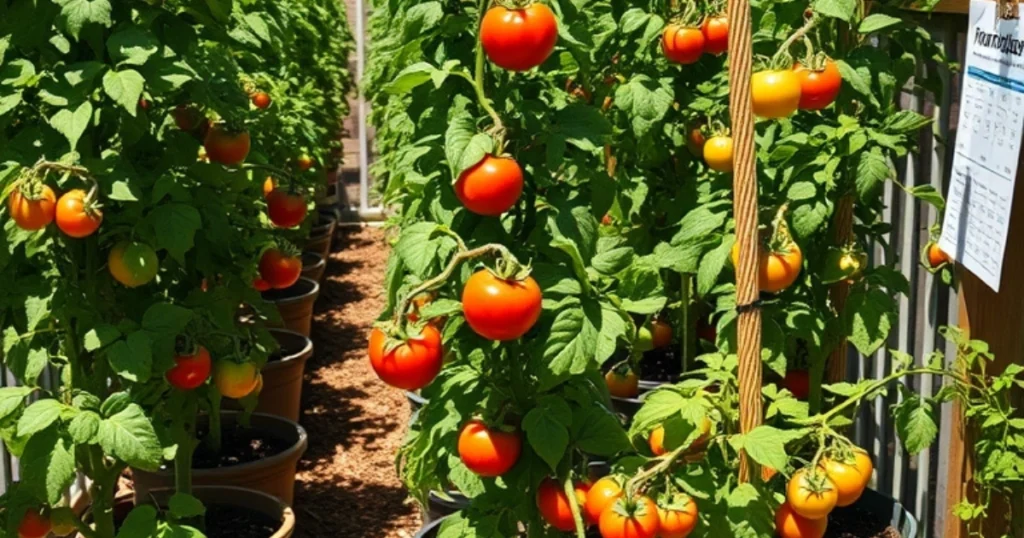
From my experience, tomato plants love full sun and need about 6–8 hours of direct light each day to stay productive. Always look for gardens, beds, or containers placed in an area that gets strong sunlight—tomatoes won’t thrive without it! I’ve had great success using 3-gallon pots or something larger, especially when the root systems need room to grow and shouldn’t be restrained. To match your hardiness zone, choose the best seed, seedling, or varieties, whether for edible plants in garden soil or container setups, and remember where to use mulch for keeping roots cool and moist.
Preparing the Right Soil
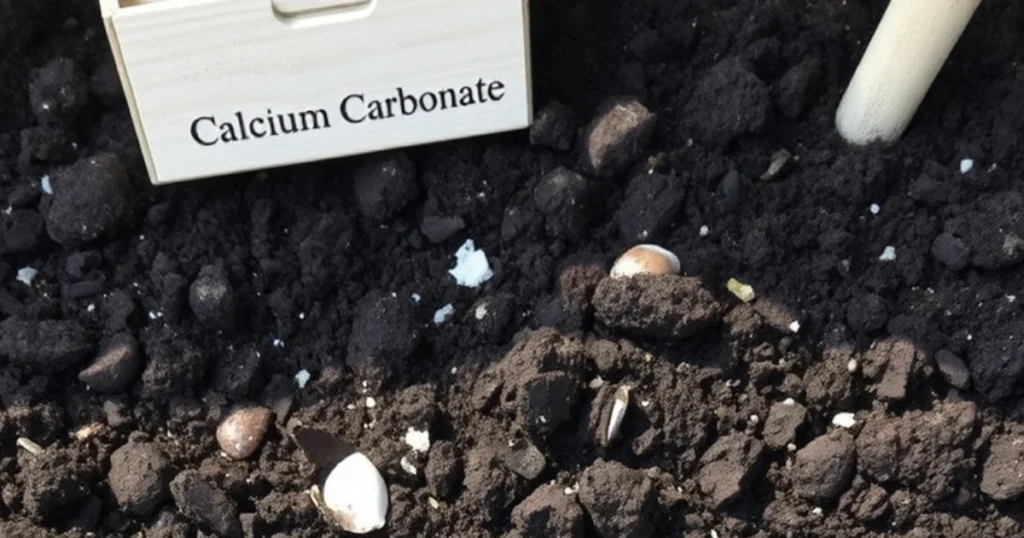
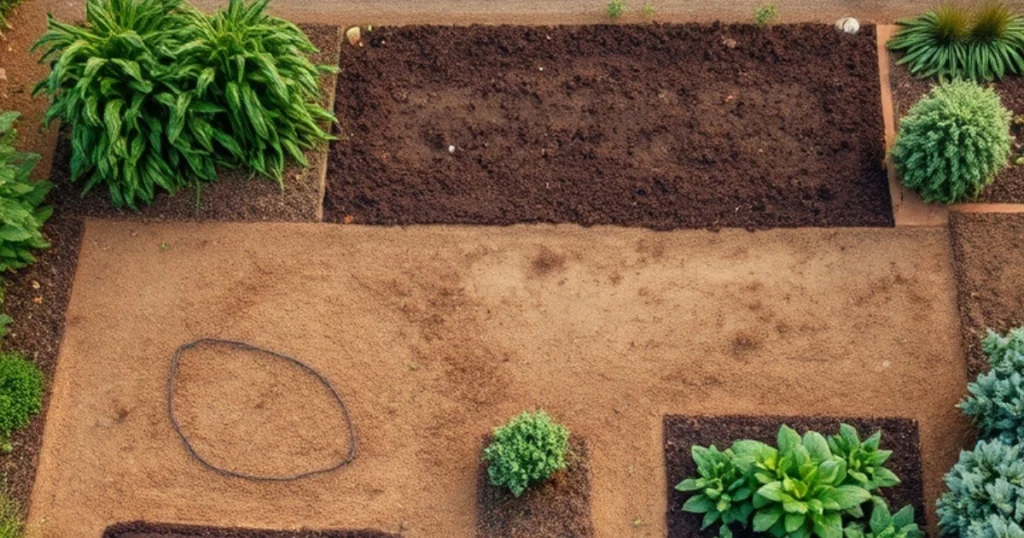
I’ve found that tomatoes grow best in well-draining, nitrogen-rich soil that’s full of natural nutrients like compost, blood-meal, and crushed eggshells. Before planting, I always mix in calcium carbonate, which comes straight from eggshells, to help regulate the acidity level to the plant’s liking. During the growing season, this keeps your soil balanced and your plants healthy. These additions work wonders for flavor and yield, especially in long, hot summers.
Compost Advice for Before and After Planting
When planting, I always add compost at the bottom of the hole to feed the plant right from the start with rich soil. If it’s already planted, I use a top dressing by spreading compost around the drip line, where water drips off the leaves at the outer edge. This keeps the soil surface healthy and helps tomatoes grow strong either way.
Trusted Pointers for Better Tomato Growth
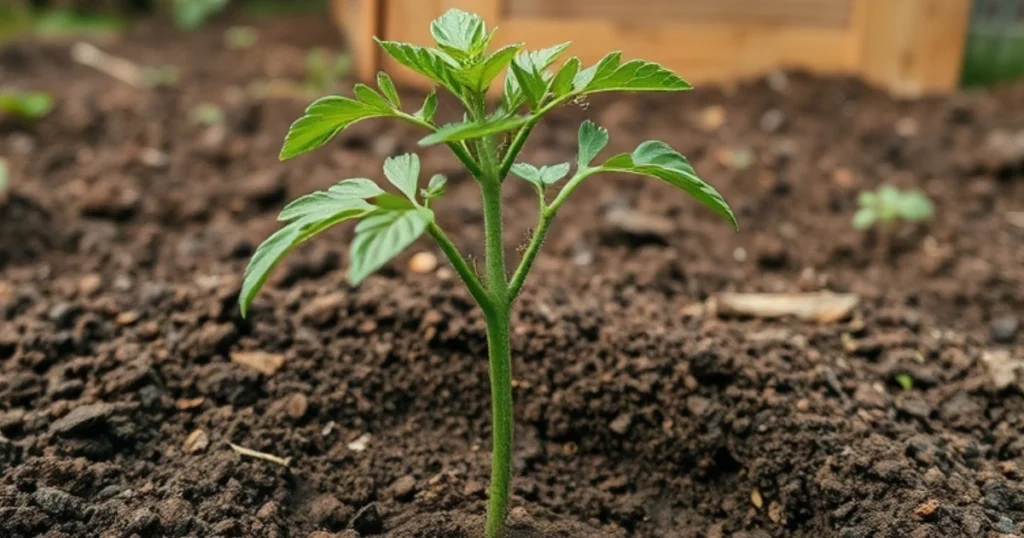
When planting tomato plants, I always trim the lower leaves of the seedlings and bury them deeper in the soil—this helps build strong root systems. I like to add peat moss around the root area for better water retention, and a boost of nitrogen using crushed Pete & Gerry’s Organic eggshells. This simple step gives the plants the strength they need to thrive.
Feeding for Maximum Tomato Potential
During the growing season, I like to sprinkle a bit of plant food or compost at the root of my plants every couple of weeks—this helps them grow to their full potential. Whether you grab your mix from a garden supply store or go the homemade route, consistent feeding keeps your tomatoes strong and productive throughout.
Smart Ways to Add Calcium to Your Tomato Plants
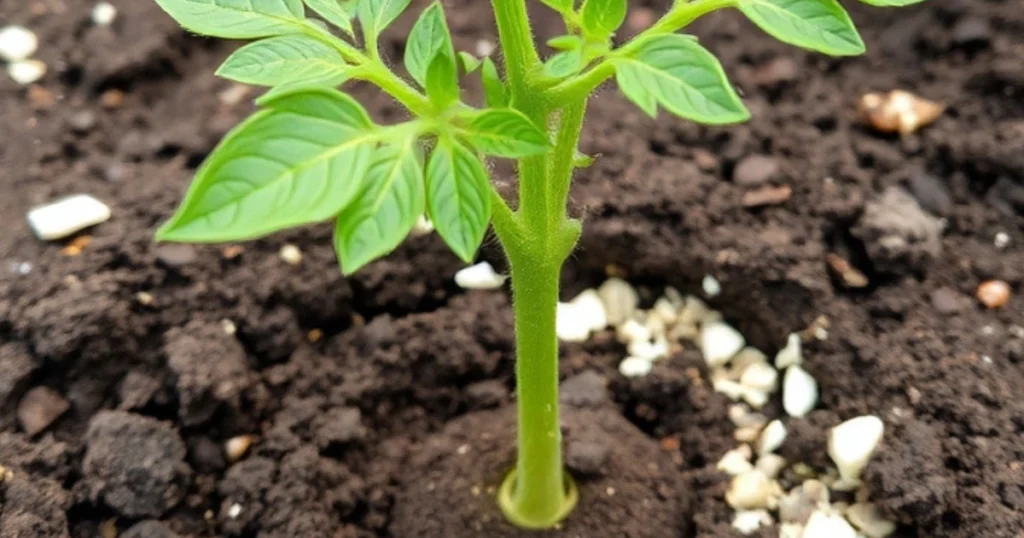
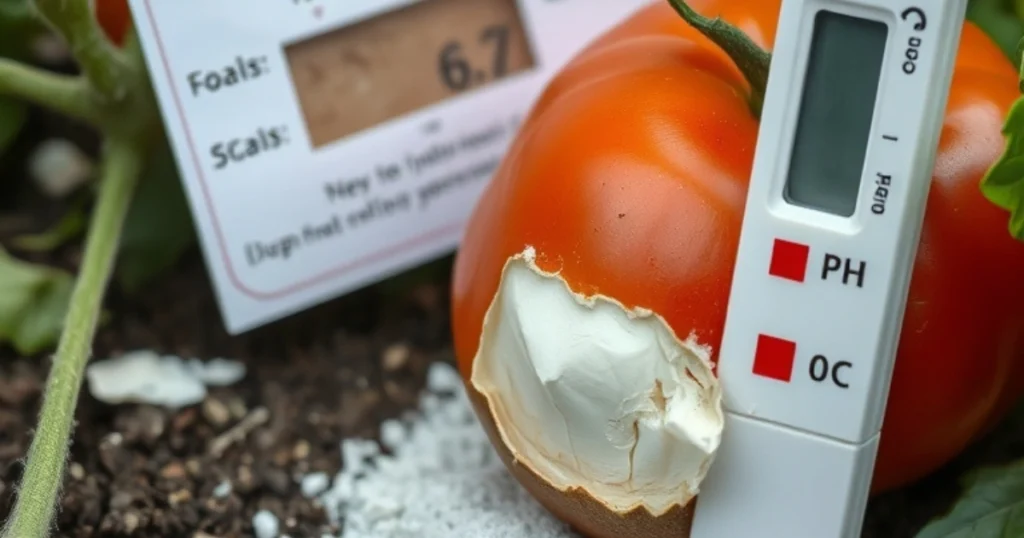
When planting tomatoes, it’s common to face blossom end rot, where the blossom end of the tomato turns soft, brown, mushy, or even black and rotted, especially in acidic soil or when there’s a watering issue. I always start with a soil test to check the pH level, as both high and low pH may cause nutrient problems for the tomato plant, squash plants, zucchini, or even winter squash. Instead of rushing to add lime, which changes the soil’s balance during the planting time, I often use crushed eggshells or crushed-up eggshells, ground into a fine powder, and drop 2-4 tablespoons into the planting hole, or later as a top dressing around the drip line. This lets the shells slowly break down and release nutrients without disturbing the soil, unlike vinegar or chemical sources, making it a better organic method. I’ve had better success with this approach not just for tomatoes, but in improving overall soil health—similar to what I watch for with microgreens nutrition—so when your fruit finally matures, it grows clean, strong, and productive.
Using Epsom Salt to Help Tomatoes Grow
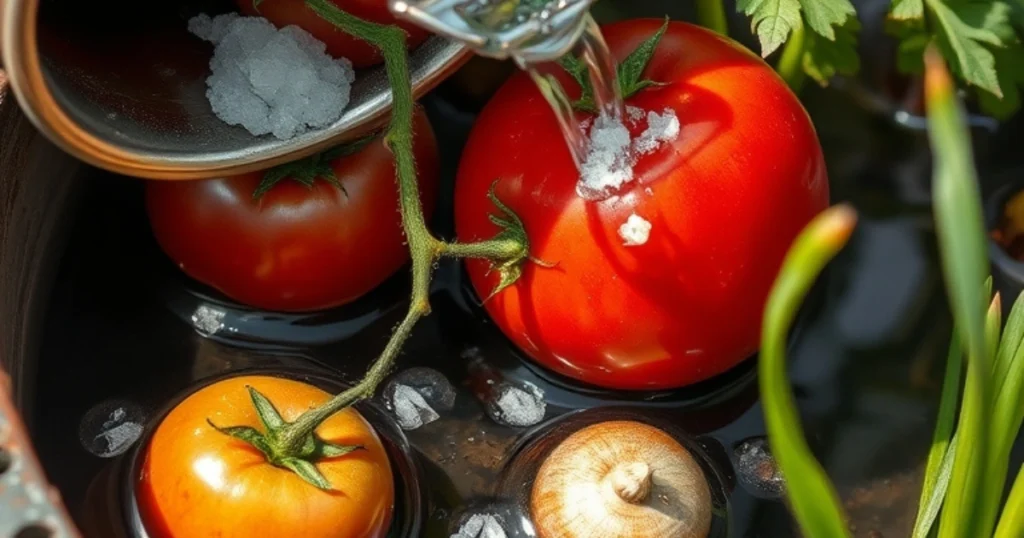
When planting, many gardeners add 2-4 tablespoons of Epsom salt because it contains magnesium, which helps tomato plants draw up phosphorus from the soil. If you’ve already planted, mix one tablespoon of Epsom salt in a gallon of water and use that mixture to feed your plants gently at the base. I use this same tip when I’m also planting onion bulb nearby, giving both crops a healthy boost early on.
Boost Growth with Pruning
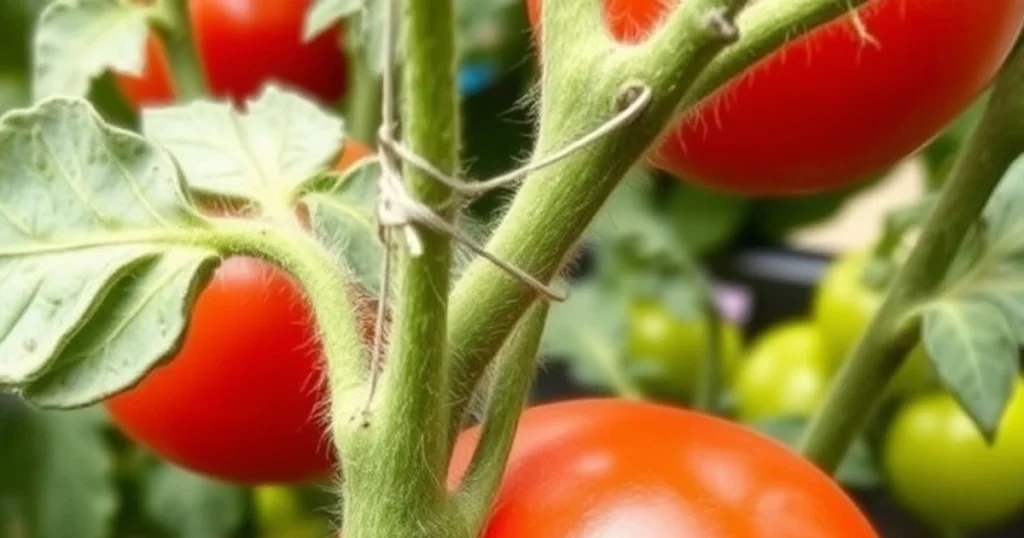
One trick I always follow with my tomato plants is to remove the suckers—those tiny shoots that pop up between the main stem and a secondary stem. Doing this helps the plant put its energy into stronger growth and better production. From my experience, keeping the structure clean leads to more robust fruit over time.
Keep Tomato Leaves Safe and Dry
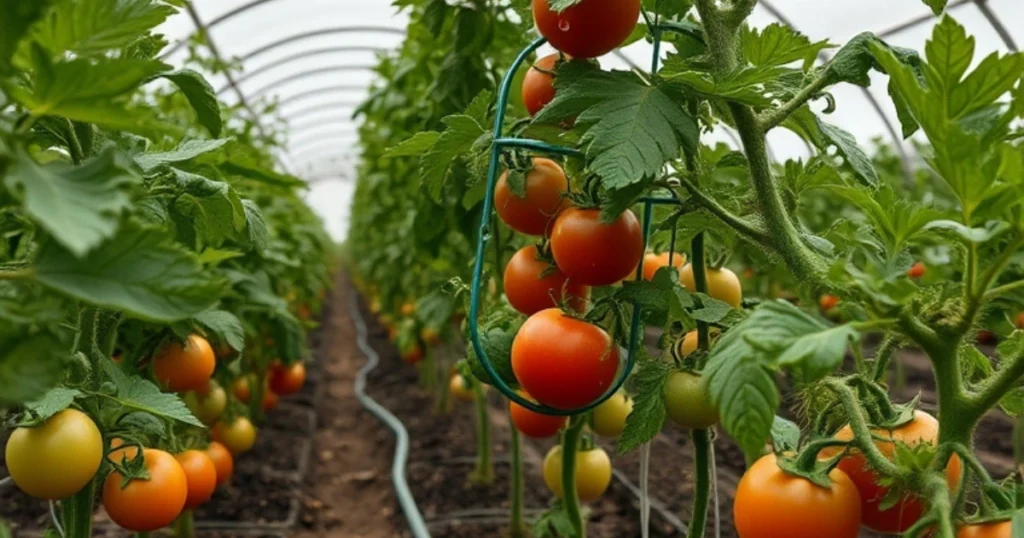
To prevent disease like blight, I always water tomatoes at the base of the plants using drip irrigation, soaker hoses, or a low-pressure hose—never overhead sprinklers that cause splashback on leaves. In heavy rain, I protect my tomatoes, peppers, and soil using a hoop house or high tunnel made from a metal carport kit, a simple DIY project we learned from a YouTube video. This set up has been strong for decades, even with winds over 70-plus mile-per-hour, and still provides good ventilation and keeps everything dry. If you’re new to growing, check your automatic watering system, and while you’re at it, learn when to plant beets too—both crops benefit from careful planning.
Rotate Crops to Keep Tomatoes Safe
One thing I’ve learned over the years is how important crop rotation is when planting tomato and other nightshade family crops like peppers, eggplants, and potatoes. If your soil gets infected with blight or another fungus, it can spread to any similar plant, especially with overhead watering. To avoid this, I always ask myself “when do I plant tomatoes next in this bed?” and never share that spot again for at least three seasons. Skipping rotation invites disease and ruins your garden plan through poor watering habits and bad sharing of space.
Bonus: Speed Up Ripening Before the Frost
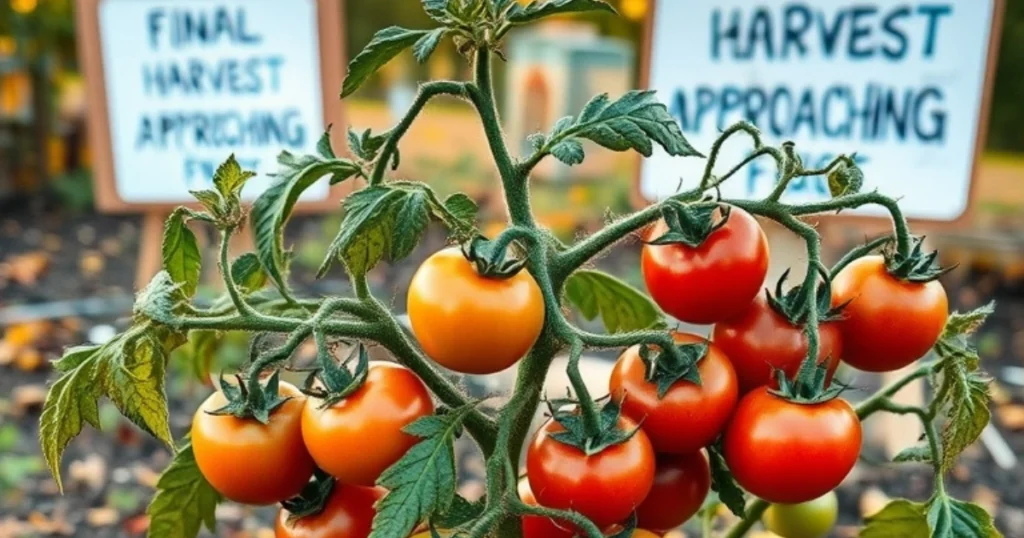
Here’s a bonus tip I always follow near the end of the growing season—start clipping back branches and thick foliage on your tomato plants to push all the energy toward ripening. This might make the plant look weak, but it boosts fruit production and helps turn green tomatoes red before the first frost arrives. Less foliage growth means more focus on saving the harvest, even if it doesn’t fully prevent disease. It’s a smart way to finish strong with a nearly disease-free crop.
Harvest Right, Enjoy More
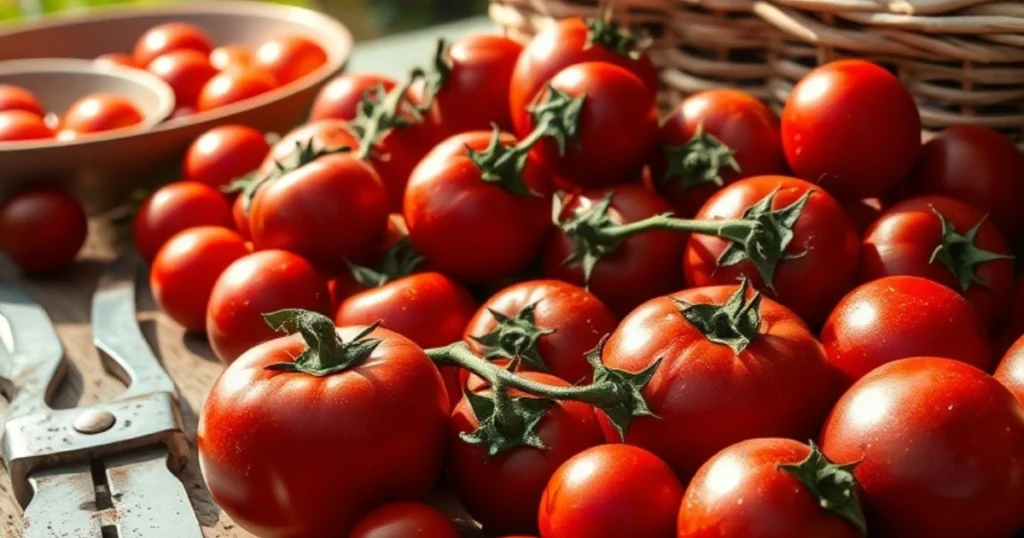
I always wait for my tomatoes to ripen fully on the vine until they turn a deep red color—that’s when they’re the most delicious and sweet. For easy harvesting, I recommend picking them gently or removing the tomato plant vines using scissors or garden shears. All summer, I use my fresh picks as a nutritious snack or toss them into homemade shakshuka. A healthy plant gives fruit you’ll be proud to eat and share.
Final Take on a Good, Healthy Growing Season
From my experience, using wood ash tomato growing has been a handy secret to sweeten slightly acidic pH soil and boost flower production. I always prune suckers and ensure airflow with proper spacing, cages, or stakes to support plants and improve air circulation around tomato plants. Keep the leaves dry, avoid waterlogged roots, and use mulch to retain moisture, protect bases, and deter pests like ants, slugs, and aphids even during unpredictable forecast days. Regular deep watering, a light diluted spray (like baking soda spray mix to prevent fungus), and checking soil is evenly moist and fertile keeps plants healthy, productive, and richly green from planting to harvest.