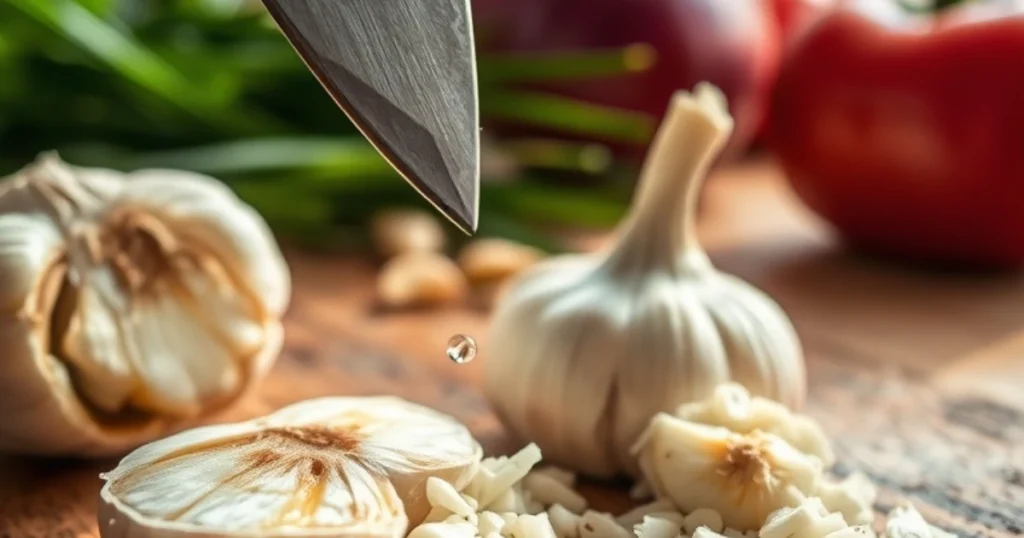
Garlic’s Garden Glory: The Visual Charm of Earth’s Hero
When fall arrives and the frost sets in, I buckle up for the beauty of growing glorious garlic—an allium family favorite. This crop thrives outside, needs chilly temperatures, and with the right sunlight, a full cycle leads to perfect formation of heads that enhance every kitchen creation. Inspired by Ron of England, whose book I’ve ranked right after The Canterbury Tales, I’ve found more benefits than banishing a vampire—you’ll even catch me mixing garlic into toothpaste, pizza, or potatoes for extra flavor. With shallots, leeks, onion, and scallions as fellow members, it’s easy to see why this hero suits any garden scene, especially with consistent planting, proper temperature, and a bit of knowledge; just brush through the introduction, and you’ll see some great results.
Varieties That Make Garlic Growing Truly Great
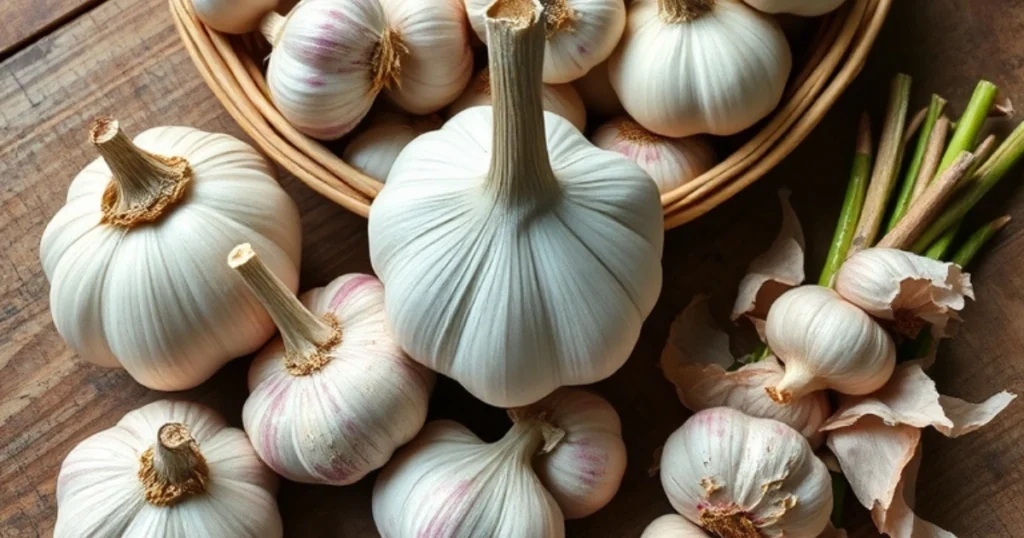
When it comes to the selection of garlic, I always choose from tested types like hardneck, soft-neck and specialty ones such as purple stripe, creole, and porcelain. At home in the Midwest climate, I plant both artichoke garlic and Georgian Fire, which produce firm, flavor-rich cloves with impressive scapes. I found Spanish Roja and Lorz Italian to have mild character and rigid stems, ideal for braiding, while softneck options offer longer storage. Whether you’re planting garlic in spring on your porch or organizing neat rows across a 4 feet by 8 feet bed, your choices shape your garlic success.
Some gardeners try planting grocery store garlic, but I prefer trusted seed from Filaree Farm or a local nursery for better availability and organic quality. Each season, I divide my cured garlics, save the best, and start replanting for stronger, hard-neck varieties with true flavor. I avoid wild garlics, solo garlic, and elephant garlic, which are garlic-adjacent but not true staples in the market. After years of careful cultivation and learning from a friend, I’ve mastered planting, from sprouting to harvest, using the space wisely and adapting to the colder conditions with hard choices that bring success.
Growing Garlic
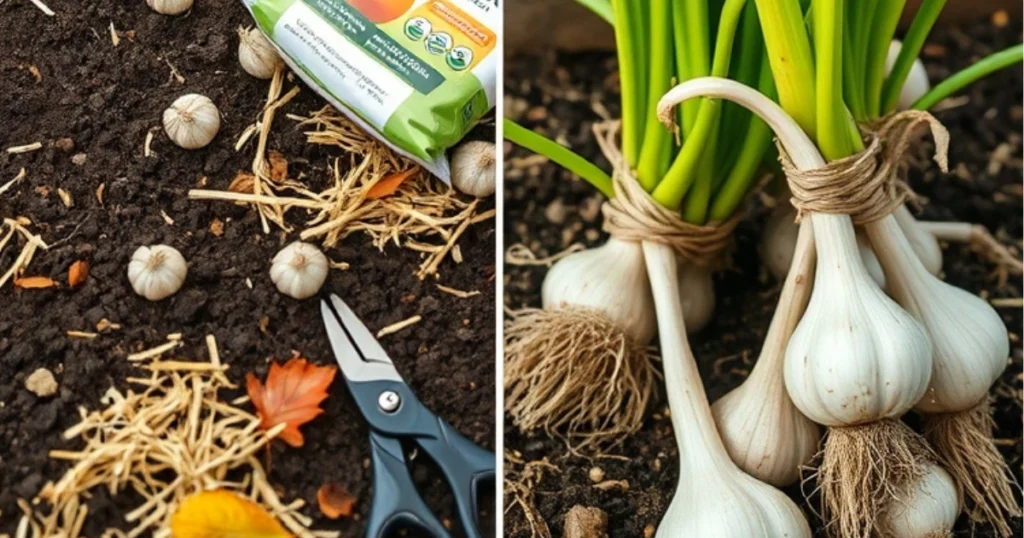
From my porch in November, I love planting garlic in raised beds when temperatures dip, using the best fertilizer for garlic forked into loose soil. I grow both hardneck and softneck—knowing the difference between hardneck and softneck garlic helps based on weather, location, and day length. People often ask, “do softneck garlic have scapes?” They don’t, which makes hardneck a great pick for fresh scapes, especially by mid-June. I always order-ahead, pick a sample pack, and plant pointy cloves about six inches deep under a leafy cover.
When spring arrives, shoots start sprouting, using all that stored energy from winter. I keep a low-maintenance rhythm—few forks, light rain, and strong ventilation keep plants thriving. Fans help with drying when I harvest in July and pull fully formed bulbs, browned and ready. I cure them in a climate-controlled garage, hanging on screens or stacked on DIY shelves, repurposed units, and racks for good drying airflow.
I’ve used sifters, frames, and even old baking trays to dry juicy garlic in shady spots during summer. Whether in a dark basement, near daffodils, or by the fridge, the key is great storage. I’ve made soups, salads, and stir-frys, using a knife, press, or chop—nothing store-bought comes close. From soft loops, curled stems, and vibrant veggies, it’s a flavorful crop. Garlic’s a gourmet, elegant project with beautiful results—one worth repeating days on end, through every season.
The Final Clove: Secrets for Soil, Sun & Sizzle
From planting an individual seed garlic bulb in the fall to knowing when to harvest garlic in summer, I’ve learned that the best results come from good timing, fertile soil, full sun, and placing each pointy-end clove a few inches apart and deep. Always water well and use mulching, especially in October, which is an ideal time in many regions for strong root growth before winter. Avoid beans, peas, asparagus, sage, and parsley which inhibit and affect the health of nearby plants, while onions, chives, leeks, or other allium family members can encourage pests like onion maggots. In the kitchen, I’ve found garlic’s flavor gets weaker the longer it cooks, but if you want a super-garlicky hit, add it last minute—chopping or crushing also increases its juice and sharp aroma when freshly released, rather than turning subtle.