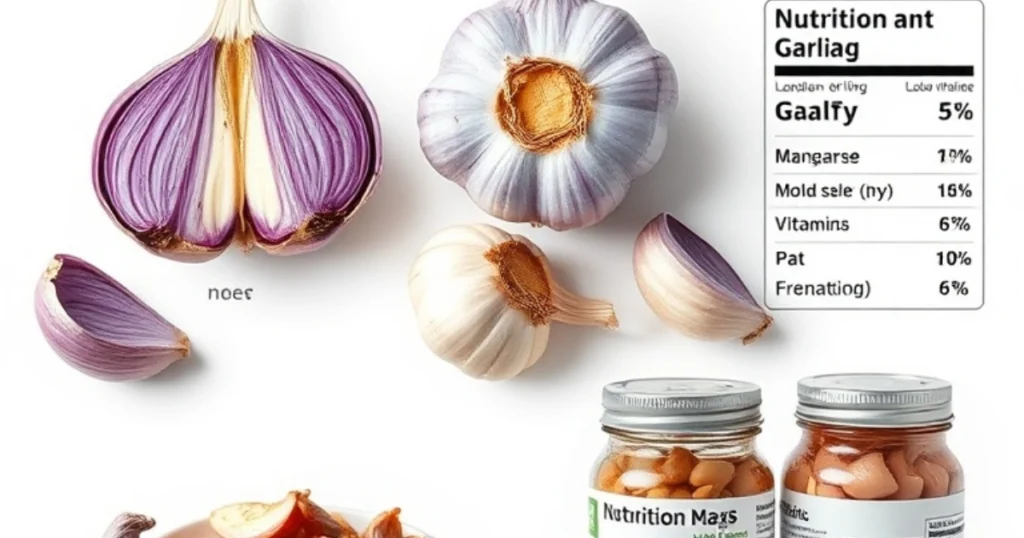
What Really Causes Purple Garlic?
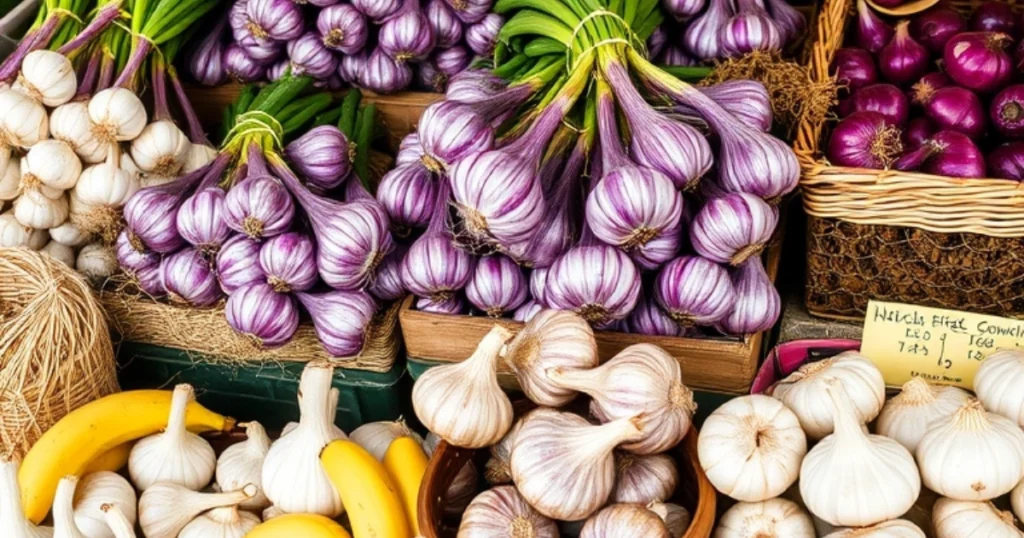
If you’ve ever peeled a bulb of garlic and been surprised to find deep purple skins, you’re not alone—I’ve seen it happen myself with hardneck varieties like ‘Purple Glazer’, Persian Star, and Chesnok Red. This color isn’t just for show. It’s caused by a natural pigment called anthocyanin, a flavonoid also found in eggplants, strawberries, and even red-skinned garlic. These antioxidants help protect the plant from oxidative stress caused by free radicals, especially in colder climate conditions like in Bozeman or USDA 6b zones. When combined with the right soil chemistry, genetics, and light exposure, they bring out a rich color variation that makes the purple garlic stand out.
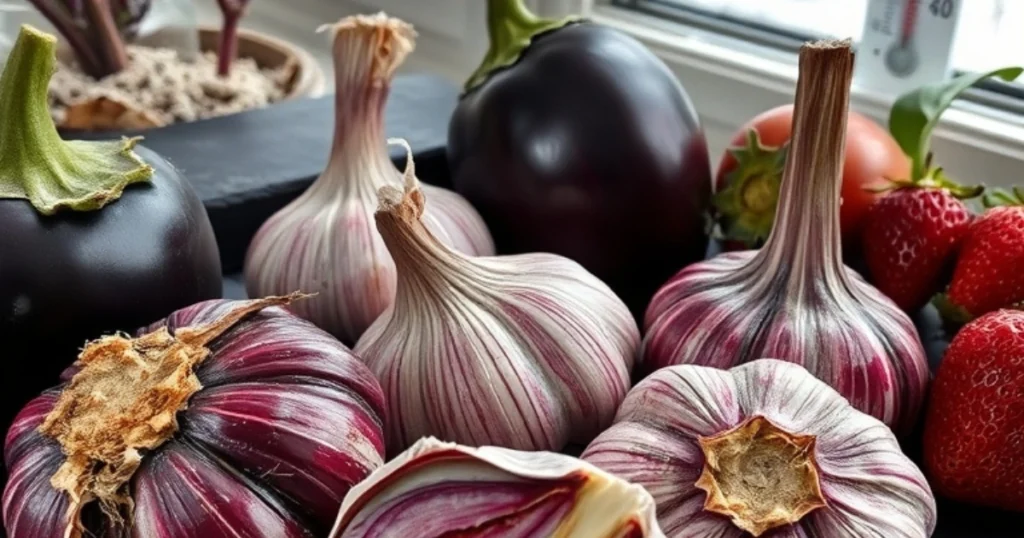
Genetics, Environment, and Soil Impact the Color
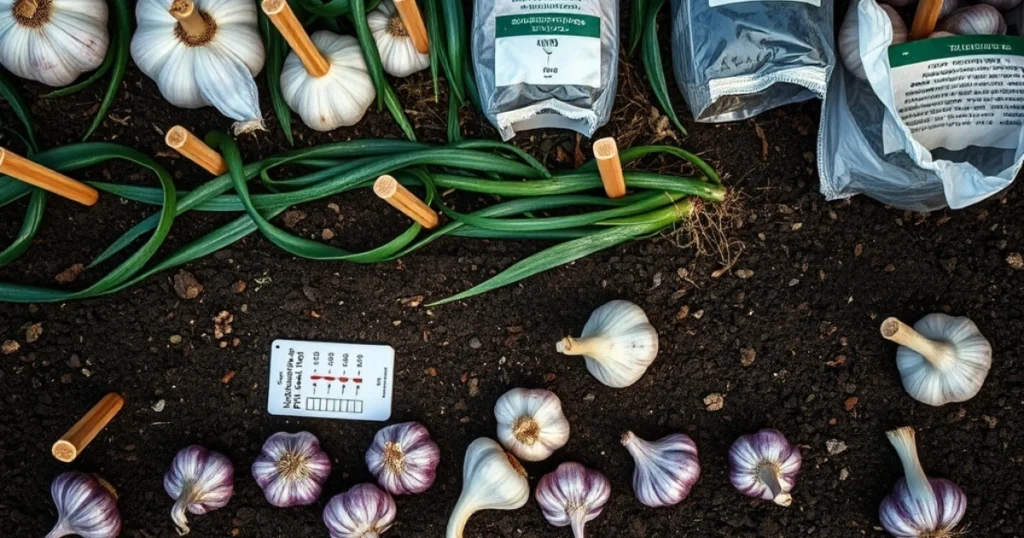
Not all garlic is created equal—softneck garlic bulbs like typical white garlic lack the biological traits for deep color, unlike hardneck species that have more uniform cloves around a woody center. GROeat Farm, where we experiment with nutrient-rich soil, has shown that elements like potassium, sulfur, and minerals such as azomite, or amendments like aged manure and compost, help amplify pigmentation. Even elemental sulfur or greensand has improved results. Maintain a pH between 6.0–7.0 and encourage mild stress from frost, cool nights, or drier air in late October to activate the plant’s natural defense. This triggers more anthocyanins and deeper hues.
Curing and Cooking with Purple Garlic
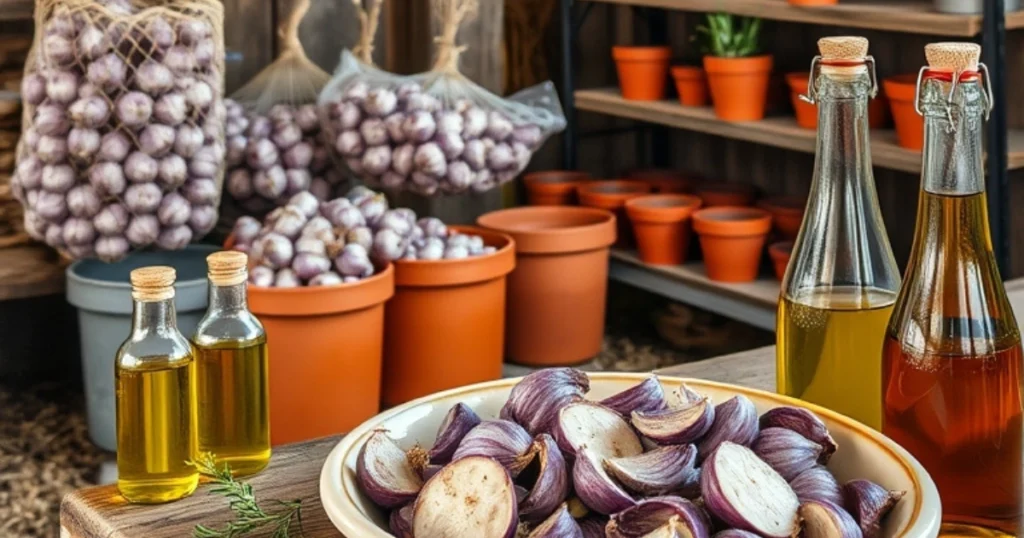
Post-harvest, drying is key to preserving color. At the farm, we cure bulbs in shade with open airflow, ideally in a barn between late May and June, depending on the spring weather. We store them in flower pots or mesh bags at room temperature—essential during cold winter months when the air gets drier and humidity lowers. While purple garlic often has a shorter shelf life, its flavor stands out—sweeter, sometimes spicy, and more juicier than softnecks. It’s perfect for roasting, infused oils, and Mediterranean cuisine. You’ll find it shines with chicken, eggs, and in fresh, raw dishes.
Final Flavor Notes and Growing Tips
You’ll often spot purple types at farmers’ markets or specialty stores, praised for both their looks and flavour. While softneck garlic bulbs may store longer, it’s the hardnecks that often win on taste and personality. Purple garlic is favoured for dishes that need balance—usable in any cuisine but best where flavor matters. For best results, feed your bulbs with nutrient-rich soil, add banana peels for potassium, and be mindful of mulch and overwatering. Whether you’re growing at high elevation or milder regions, choosing colorful cultivars, paying attention to the environment, and curing your garlic with care makes all the difference.
To Sum It Up: The Truth About Purple Garlic
Can you eat garlic when it’s purple? Yes, purple garlic is completely safe to eat, often coming from naturally colorful varieties rich in the natural pigment called anthocyanin—a compound that gives it both its bold color and added health benefits. What causes garlic to turn purple? Sometimes it’s the plant’s chemical makeup, and other times it’s a reaction to cold storage or acidic ingredients during cooking, like in a lemony recipe or ferment. Though rare, garlic may also turn blue, but is garlic safe to eat if it turns blue? Yes, this color change is also normal and not harmful unless there are signs of spoilage like mold, a bad odor, or mushiness, in which case it should be discarded. What is special about purple garlic? It’s fewer in calories, but far more nutrient-dense, packed with a powerful mix of manganese, fibre, selenium, vitamin C, vitamin B6, calcium, potassium, and phosphorus which benefit health-conscious consumers. Whether you’re roasting it with chicken or using a raw clove, purple garlic brings flavor and nutrition to the table.