Why Softneck Garlic Bulbs Deserve a Place in Every Garden
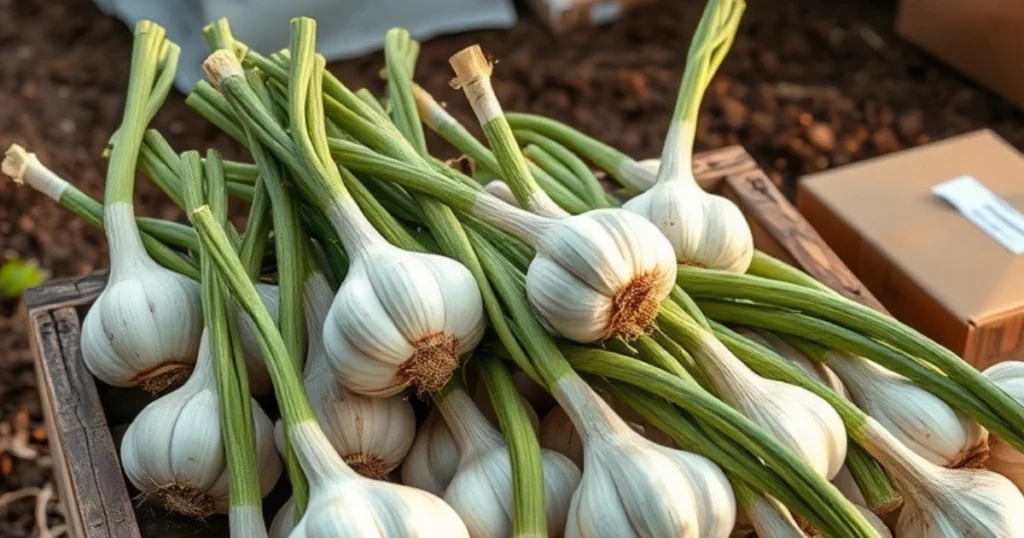
If you’re planning your garden this fall, now is the perfect time to explore softneck garlic bulbs. Unlike hardneck types, softneck varieties do not produce scapes, making their stalks more flexible and perfect for braiding after harvest. As a subspecies of garlic, these bulbs come with impressive storage capabilities and are widely available for pre-orders starting in March, with most shipping out by early September. Whether you’re buying a 1lb., 1/2lb., or 1/4lb. pack, there are many varieties to try, including flavorful, milder, and vibrant types that grow well in rich, well-drained soil.
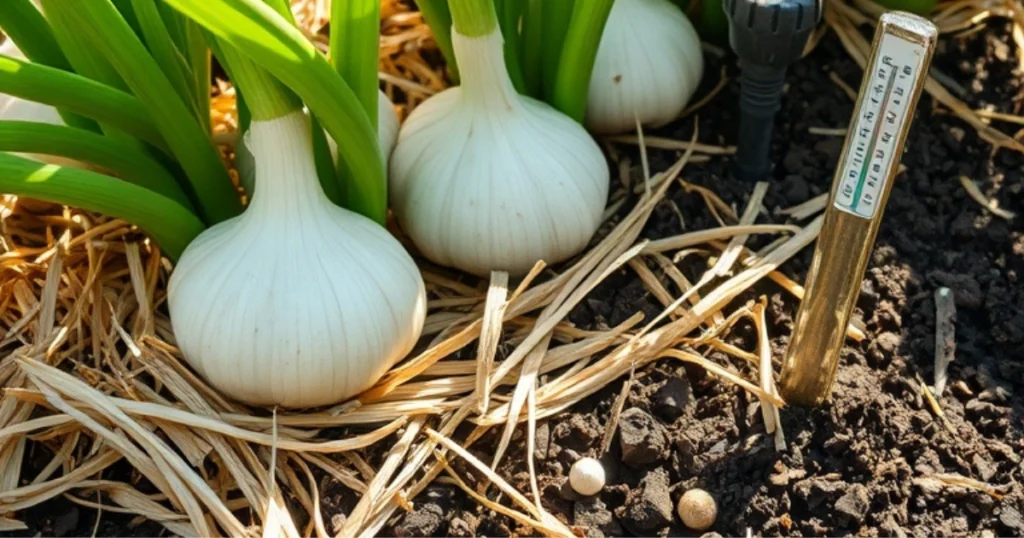
From my own experience growing in the north, I find softnecks wonderfully versatile—they thrive in warmer climates, yet also do well here when properly mulched. I always plan my planting for full sun spots, keep the soil moisture consistent, and follow a well-balanced fertilizer schedule as detailed on the Fertilization Soak page. To reduce weed competition, I weed regularly, since garlic does not compete well with weeds. Mulch is recommended to help protect cloves through winter and to maintain the right environment at bay, especially during temperature swings. For maximum results, I always fertilize properly and stick to the timing in the Keene Garlic Guide.
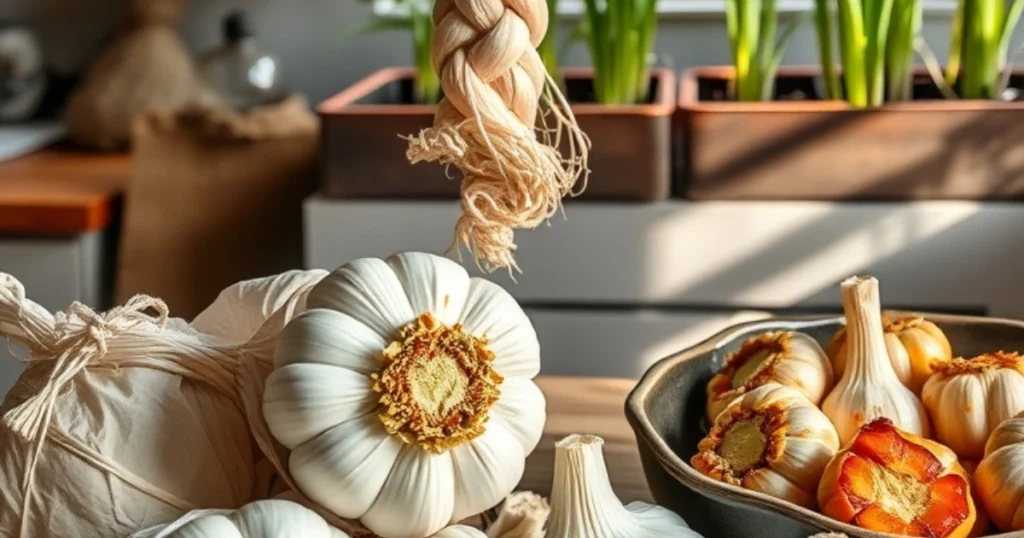
Softneck garlic is often what’s found in grocery stores—those neatly wrapped cloves per bulb that offer a longer shelf life, especially when stored well. They’re excellent when roasted, mild when raw, and incredibly easy to work with in the kitchen. You can cook them at any stage, and they hold up well thanks to their heavy-wrapping, which adds to their storage life. Whether you’re a beginner looking for a ready-to-plant option or an enthusiast expanding your patch with Planters, these garlic types offer high yield and beautiful flavor. Once planted and well-nurtured, softneck garlic bulbs consistently produce results that beat expectations.
What to Know About Growing and Choosing Softneck Garlic
What garlic is softneck? The softneck type is the most common garlic found in both backyard gardens and grocery stores, thanks to its soft, pliable stalk, which can be easily braided and handled mechanically. If you’ve ever bought garlic at a supermarket or store, it was likely a softneck garlic variety. Do grocery stores sell hardneck or softneck garlic? Almost always, it’s softneck due to its longer shelf life, flavor, and ease of commercial production and sale. Besides convenience, these bulbs grow best in warmer climates, thrive in zones 8–12, and offer Easier storage with layers of cloves that hold up for six to twelve months in the right conditions.
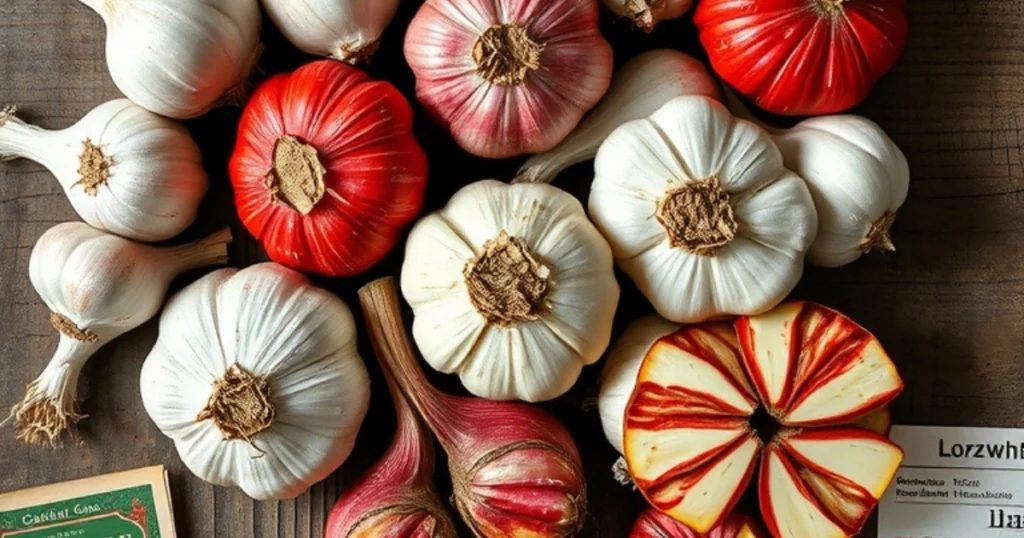
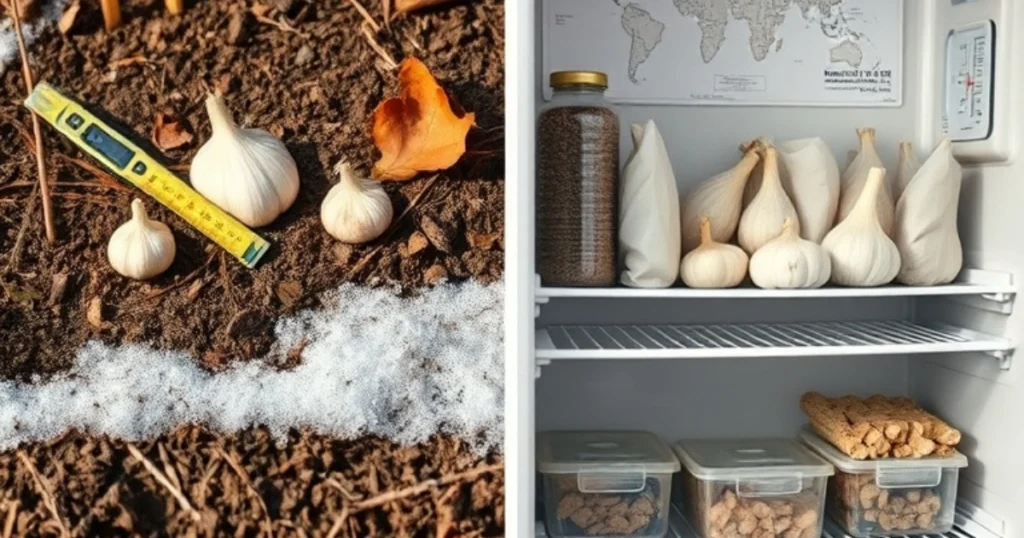
When should softneck garlic be planted? For fall planting, aim for October to November, after the first frost but before the ground freezes, giving roots time to establish before winter. In cooler areas or if you miss that window, it’s also fine to plant in spring—just place the cloves in the refrigerator beforehand so they get the cold they need to form bulbs. Some of the best softneck garlic varieties I’ve grown include Inchelium Red for its mild taste and storage strength, Nootka Rose for its strong, excellent flavor, and Red Toch for its vibrant color and robust yet not overpowering profile. If you’re looking for more options, try Lorz Italian, Silverwhite, or garlics from the Silverskin and Artichoke groups—all ideally available in early March through April, ready to plant as temperatures begin to rise.