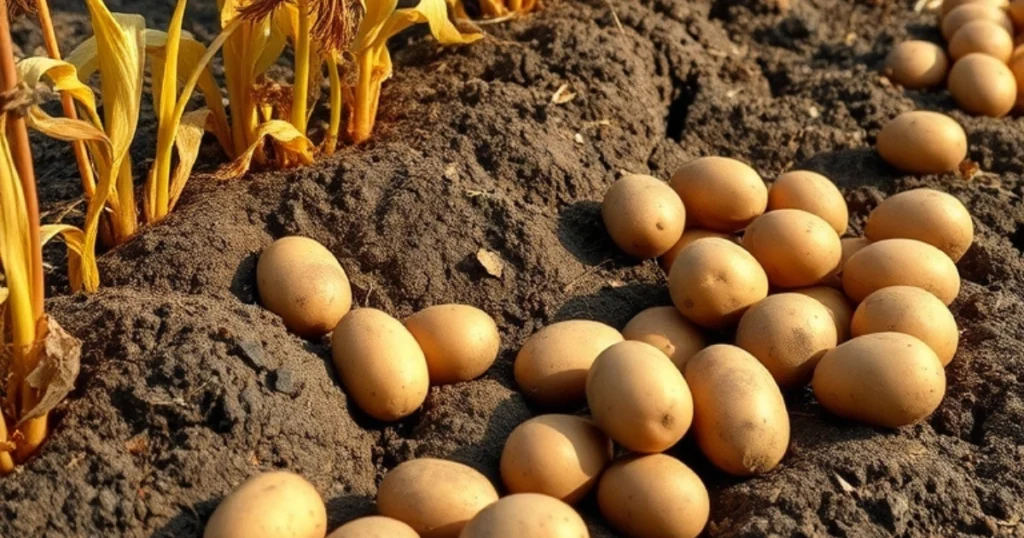
Timing Your Potato Planting for Success
The calendar date for planting potatoes varies dramatically across regions, but understanding soil temperatures and local weather patterns will determine your success. In Georgia, Texas, and Florida, gardeners often plant as early as January or February (many choose Valentine’s Day or President’s Day as their reference point), while northern states must wait until March or mid-April when frost danger passes and snow melts from nearby hills and mountain areas. I learned from Mr. Adams, an elderly neighbor who taught this girl the art of potato growing on his farm, that nature provides cues like dandelions blooming to remind us it’s time to plant – much like watching for bell pepper flower formation tells us summer is near. The ideal temperature should reach 55°F during the day and 45°F at night, with ground that’s dry enough to work – not wet or water-logged – to prevent seed potatoes from rot.
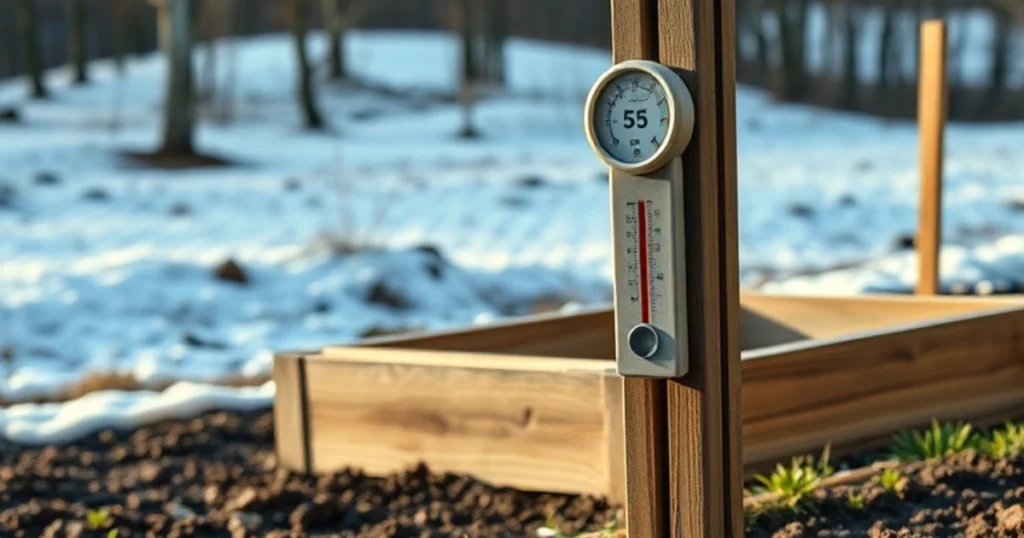
Monitor soil temperatures
In cooler climates, cool-weather hardy varieties like Red Pontiac can be planted 2 to 3 weeks before the last average frost, though spring-planted crops in September (for southern fall planting) need different attention. When I plant my certified seed potatoes from local stores or nurseries, I’ve found that smaller pieces should be planted in a furrow about 3 inches deep at the bottom of raised beds or rows, spaced 8 to 12 inches apart and one foot between rows. The soil should be well-drained, loamy, and well-cultivated with a pH of 5.0 to 6.5 – I usually apply organic compost and fertilizer (18-6-12 or lawn fertilizer at 35 pounds per square area) before planting, using teaspoons for small garden spaces or whiskey barrel containers (at least 30 gallon size).
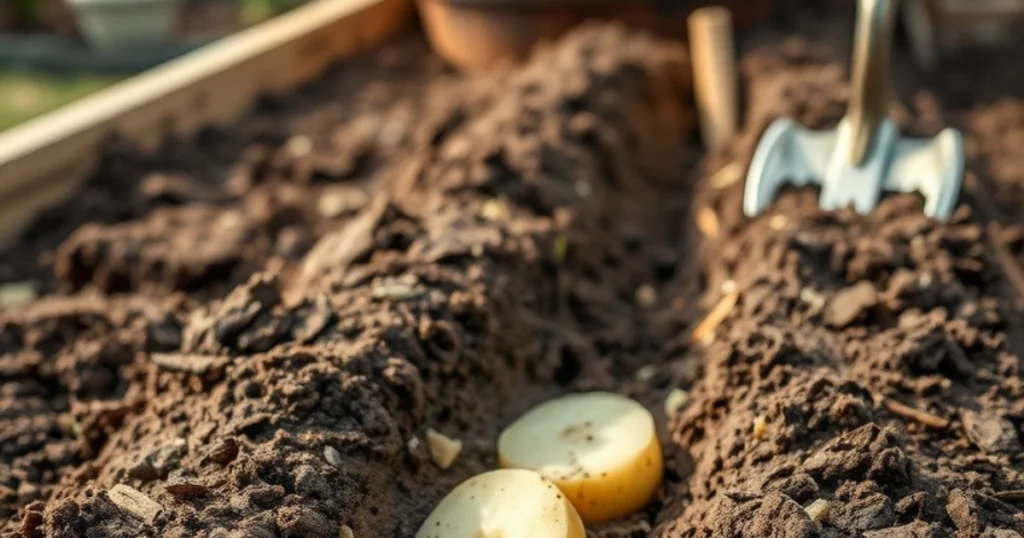
Choose the right variety
After planting, potatoes need consistent care to produce a good harvest. Within three to four weeks, shoots will emerge and plants grow steadily to 6 inches tall, at which point I gently hill them using a shovel to apply more dirt around the tender plants. This creates appropriate conditions for new potatoes to form beneath the foliage, and I recommend adding mulch like straw or grass to conserve moisture and prevent weeds. During hot summer weather, plants need water and sunshine but can stress when temperatures get too high – that’s when you might need to handpick any pest or bug problems and follow pesticide directions if needed. The crop will mature in 90 to 120 days depending on varieties, and you’ll know they’re ready when tops start dying and leaves turn yellow.
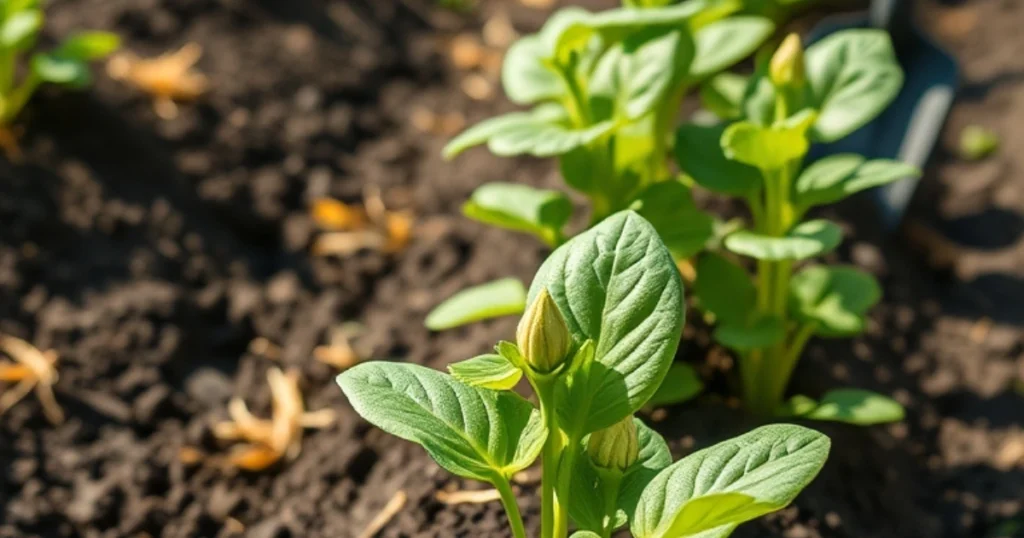
Plant early in the South; later in the North
For harvest, remember that early-maturing potatoes can be enjoyed as tender “new” potatoes when plants start blooming, though you’ll produce longer-lasting potatoes if you leave them alone until mature. When dying tops indicate readiness, use a spading fork to scratch and disturb the soil, then store your harvest in a dark, cool, humid place – not in the house where it’s too warm. Some gardeners in warmer areas will toughen skins by leaving potatoes in the ground a bit longer after cutting tops. Whether you consume them quickly (my childhood favorite was with ketchup!) or store for later, proper timing ensures heavy production. From native South America to centers across the states, this Easy information from the Aggie website and recommended growing directions will help whether you’re in hard freezes zones or warmer locations – just pay attention to when light frost won’t die back your plants and adjust your planting date range accordingly. Living near wooded hills, I’ve learned potatoes planted at the center of raised bed areas with bare roots exposed to proper temperatures will provide the best bloom and harvest in both first early plantings and later summer crops, ensuring plants quickly emerge and grow wide and tall without stress that dies back growth when cold frost sticks to wet soils during heavy frost events