
What Makes Them Look So Different?
Growing garlic in my garden, I’ve noticed how hardneck varieties have a rigid stem rising from the middle, forming beautiful scapes that curled upward like art—which are, surprisingly, edible too! On the other hand, softneck types have no flower stem, the stem stays soft, and they’re often seen as braided garlic in grocery stores due to their long-lasting nature and flexibility during harvest. The structure, size, and even maturity time vary, with large, bold cloves in hardneck and smaller, more commercial-friendly cloves in softneck, making the choice between them a matter of climate and culinary preference. Personally, I like planting both in my backyard for their natural diversity, textures, and distinct flavor—and I always use the best fertilizer for garlic to bring out the richness in different varieties from cold, wild types to warm, braids-ready ones farmers love.
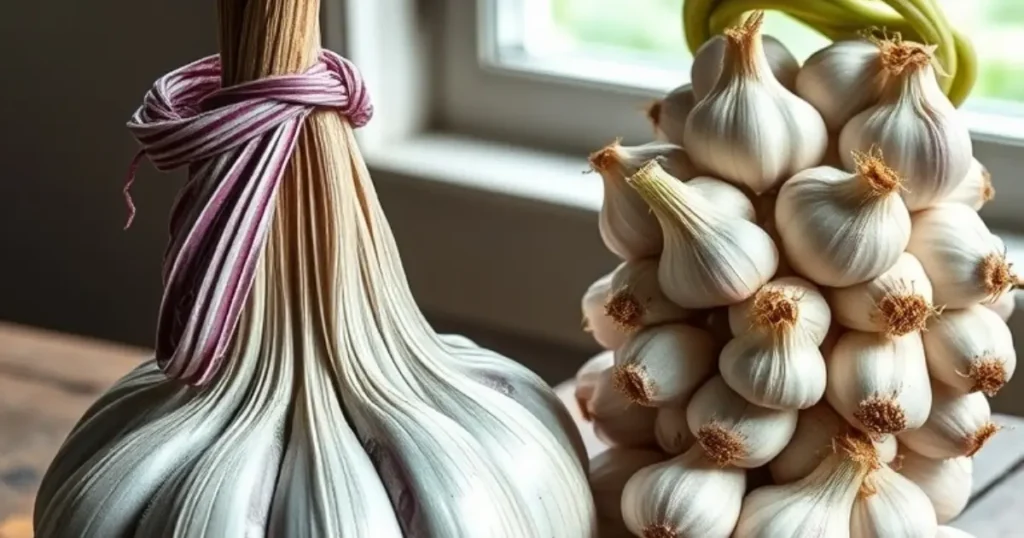
Understanding the Difference Between Hardneck and Softneck Garlic
When I began growing radishes and garlic together, I thought all garlic was the same. But that changed once I learned about the rich varieties of hardneck and softneck garlic. Both belong to the sativum species but grow differently and serve unique kitchen and gardening needs. Their structure, skin, flavor, and storing ability vary greatly and choosing the right one really depends on your climate, cooking style, and preference.
Let me break it down based on what I’ve learned firsthand:
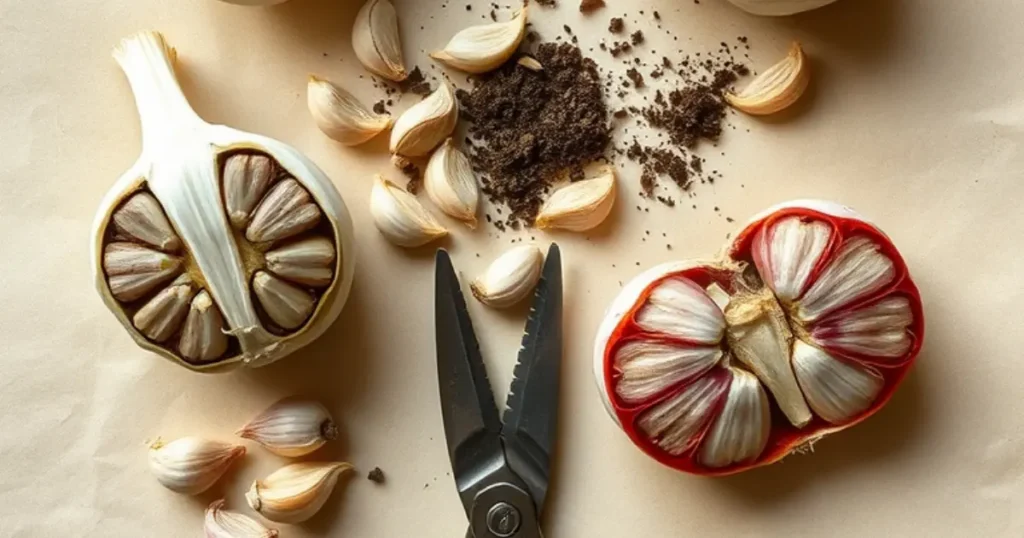
Key Traits of Hardneck Garlic
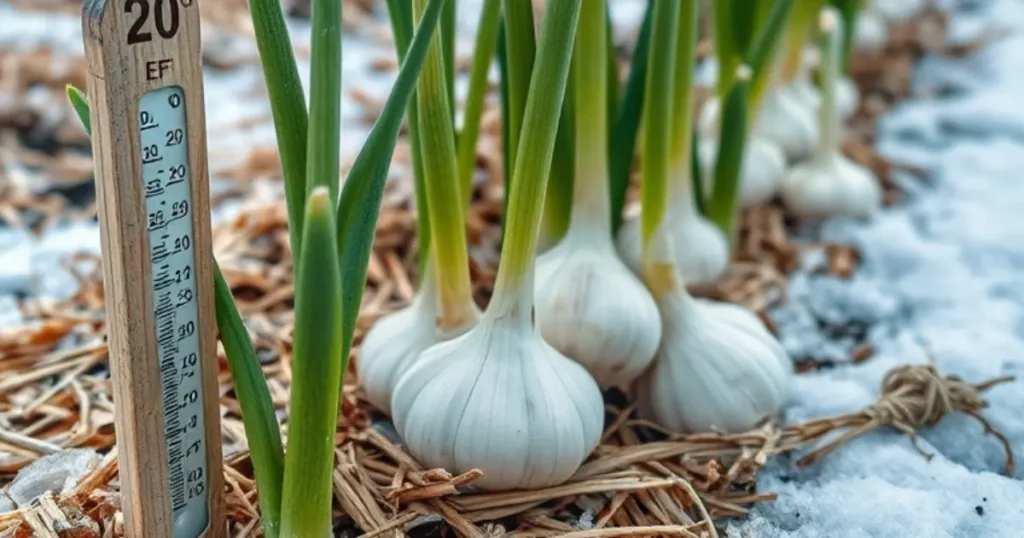
- Hardneck garlic (also called Allium sativum var. ophioscorodon) thrives in cold climates like Vermont, surviving deep freezes down to -30°F with the help of straw mulch.
- It produces a flowering scape—a beautiful, curled, edible flower stem that tastes great in pestos or grilled.
- Varieties such as Rocambole, German White, Purple Glazer, and Spanish Roja produce bold, spicy, and musky flavors with large cloves wrapped in a brittle but peelable outer layer.
- They have shorter shelf lives (between 3–6 months) but offer robust, complex, and gourmet flavor good for deep roasting and cold-winter gardening.
Appearance and Storage Takeaways
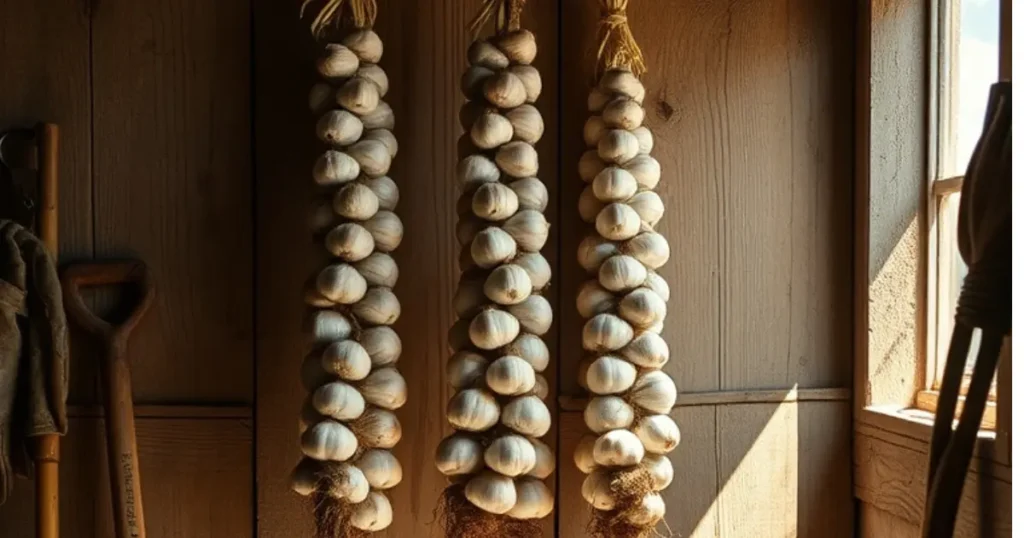
While hardneck garlic looks stronger with its central stem, defined cloves, and striking scapes, softneck garlic is more versatile, braided, softly clustered, and better for storing in warm areas. I use softneck when I want to hang garlic by the porch, and hardneck when it’s scape season or I want intense flavor in my cold-weather recipes. Whatever you choose, know that garlic is a gift to your garden, whether you’re planting, harvesting, or seasoning dinner.
Hardneck vs. Softneck Garlic: Which Type to Grow
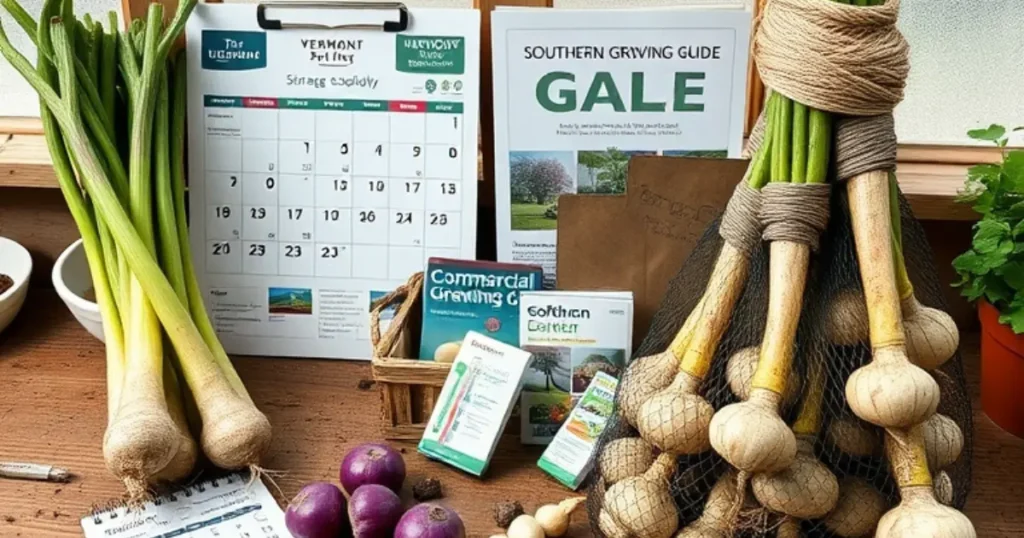
https://theplantgardens.com/understanding-the-mystery-why-is-the-garlic-purple/Choosing between hardneck garlic and softneck garlic depends on your garden location, temperatures, and how long you hope to store it. If you’re in a freezing, northern place like Vermont, hardneck is your best bet—it handles cold well and gives you scapes, those delicious, curly shoots that show up in spring. But if you’re after storage that lasts up to 12 months in the right conditions, softneck garlic is the smart type, especially for mild climates with summer heat. As a garlic connoisseur, I always experiment with different varietals, and I love comparing the flavor profile of a rich, bold hardneck and a softer, mild softneck—both are tasty when freshly harvested, but they shine differently. Softneck is the one you’ll often find in commercial stores, lasting longer (around nine months or even more), while hardneck garlic keeps its quality for about 4–6 months, especially when the bulb is large and full of energy. One thing first-time growers wonder is why is the garlic purple—that’s a varietal trait, seen in some types of both!
Planting Hardneck vs. Softneck Garlic
When planting either hardneck or softneck garlic, make sure your soil is well-amended and your cloves are intact, with their papery covering left on. Space each pointy clove about six to eight inches apart and go two to three inches deeper into the bed—this gives them the best chance to grow strong through winter weather. I always mulch with straw, chopped leaves, or mulch hay in the fall and then top dress in spring with organic compost to boost nutrients and keep weeds down. If you’re growing hardneck, don’t forget to snap the scapes early—you can cook them or turn them into Lactofermented Garlic Scapes, a favorite in my kitchen from the Ultimate Guide I follow for harvesting and storing.
Final Thoughts: Choosing the Right Garlic
If you’re in a colder region, go for hardneck garlic—it handles low temperatures well and offers bold, complex flavor with large, easy to peel cloves that many chefs prefer for gourmet dishes. But if longer shelf life is your priority, especially in warmer areas, softneck is ideal—it’s more flexible, easier to grow, and often braided for storage, lasting six to eight months compared to hardneck’s two to four months. Most grocery store garlic is the softneck variety, commonly used in commercial production because it’s widely available, common, and fits large-scale braiding and distribution. Personally, I like growing both—hardneck for its rich flavors and scapes, and softneck for its clustered, arranged layers that store well into the year.