Finding the Right Garlic Types for Your Kitchen and Garden
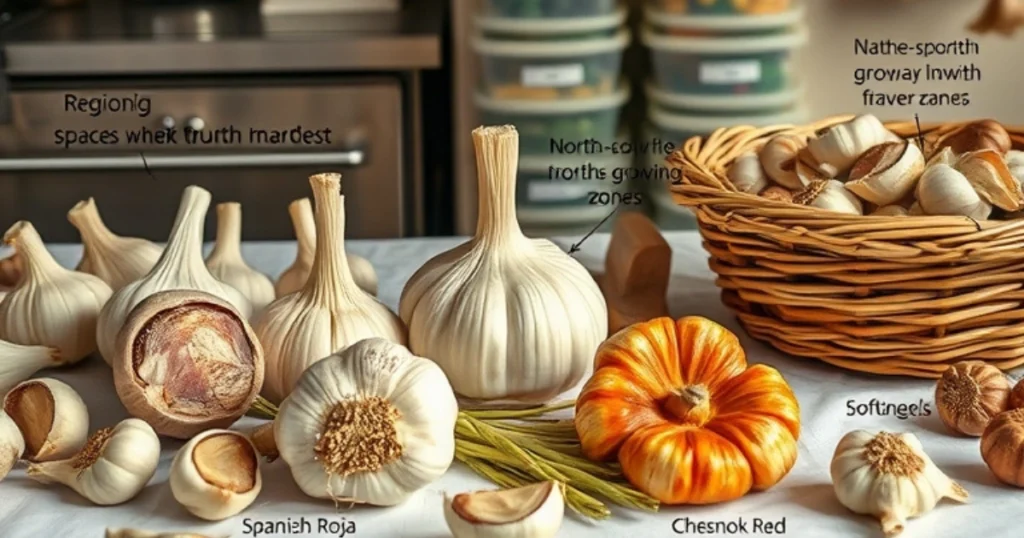
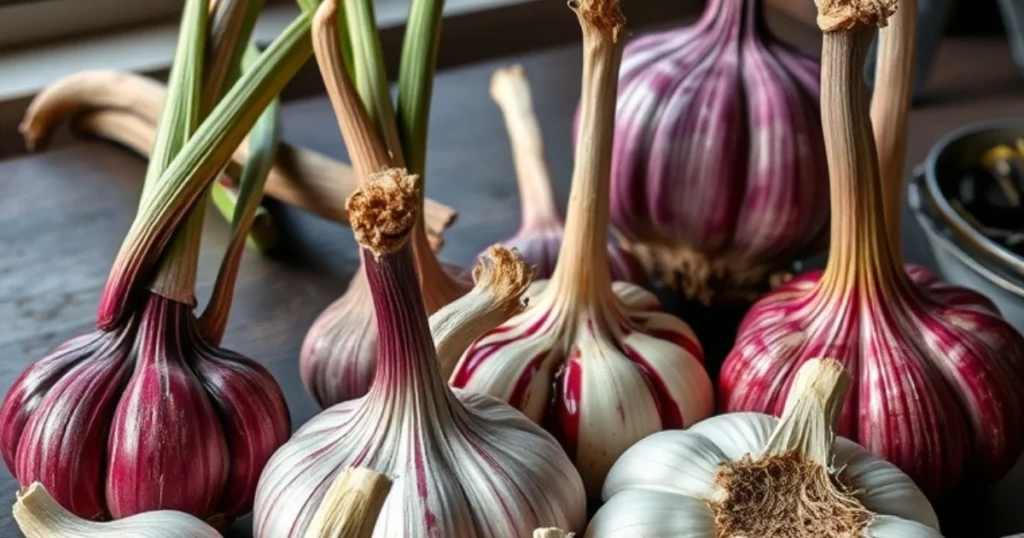
If you’re wondering about the types of garlic to plant or cook with, it’s helpful to know there are two main garlic subtypes: hardneck garlic (Allium sativum ophioscorodon) and softneck garlic (Allium sativum sativum). Hardneck garlic varieties like Rocambole, German White, and Chesnok Red are known for their strong, spicy flavor and the central flower stalk, or scape, they produce. These types thrive in northern climates and are often easier to peel, though their storage life is shorter. I’ve had great results growing Purple Stripe, Persian Star, Amish Rocambole, Korean Red, Purple Glazer, and Metechi on my farm, especially when grown in cooler weather. These varieties are often cultivated for their unique flavor and vibrant purple coloring.
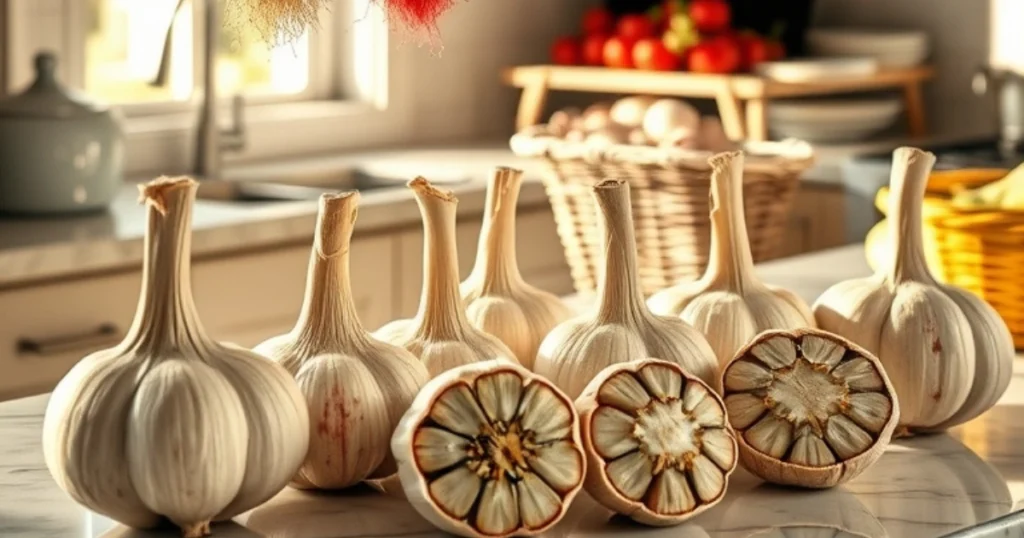
On the other hand, softneck garlic is what you’ll often find at the grocery store. It’s the most common type used in stores because it’s easy to grow and has a longer storage life. Softneck types like Red Toch, Inchelium Red, Nootka Rose, Early Italian, Silverwhite, Lorz, Silverskin, and artichoke varieties are great for braiding due to their softer necks. I love how easily these can be braided and hung in a decorative way in the kitchen, plus they’re perfect for all kinds of dishes, whether you’re looking for subtle heat or something richly infused. These varieties do especially well in southern fields, where Cold Tolerance isn’t much of an issue, and they provide a reliable yield even with early planting in the Spring.
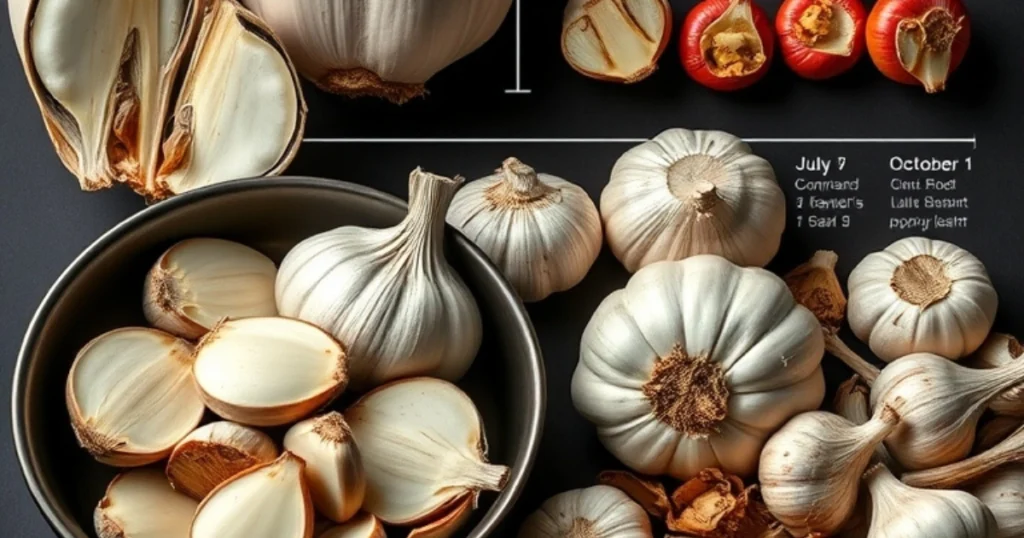
Then there’s Elephant Garlic, which isn’t technically garlic but a type of leek from the leek family. It produces huge bulbs with a mild garlic flavor, perfect if you prefer a less pungent garlic in your cooking. I use Elephant Garlic in roasted dishes or even raw where a softer taste is desired. Whether it’s the sweet cream tones of an Early Italian, or the sharpness of a fresh Russian Red, choosing the right variety comes down to your taste and location. And if you’re asking when to harvest garlic planted in October, from my own growing season, I’d say plan for summer—typically around mid-to-late July, once the lower leaves start to brown and the paper skins around the cloves remain intact but dry.
Final Thoughts on Garlic Varieties
How many types of garlic are there? Garlic generally falls into two main types—hardneck and softneck garlic—with over 600 named varieties recognized by the USDA and researchers. If you’re wondering which type of garlic is best, it depends on where you live and how you plan to use it. For northern climates, hardneck varieties like Rocambole, Purple Stripe, and Porcelain are popular with chefs for their robust, rich flavors and signature garlic scapes. In the south, softneck garlic varieties like California Early White, California Late White, and Inchelium Red grow better, store longer, and are often braided and sold at your local grocery stores. What is the best tasting garlic? Many say Spanish Roja offers a buttery, earthy, and bold flavor, while others favor the sweetness of cooked garlic like Chesnok Red. In my gardening experience, taste is subjective, but for everyday meals or baking, choose a variety that suits your taste and grows well in your region—because the best-tasting garlic is the one you’ll enjoy the most eating and growing.