Mastering Garlic Cultivation in Heavy Clay Soils
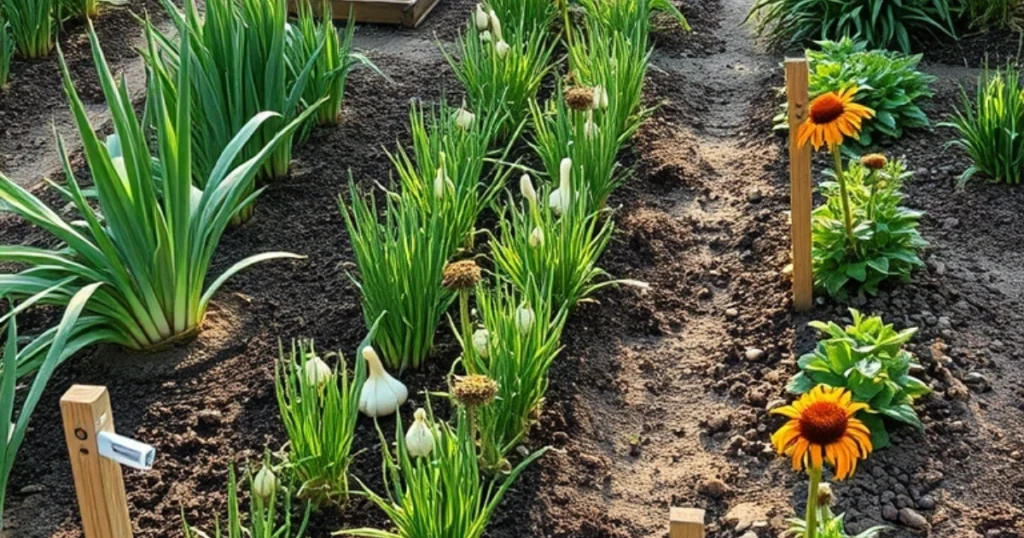
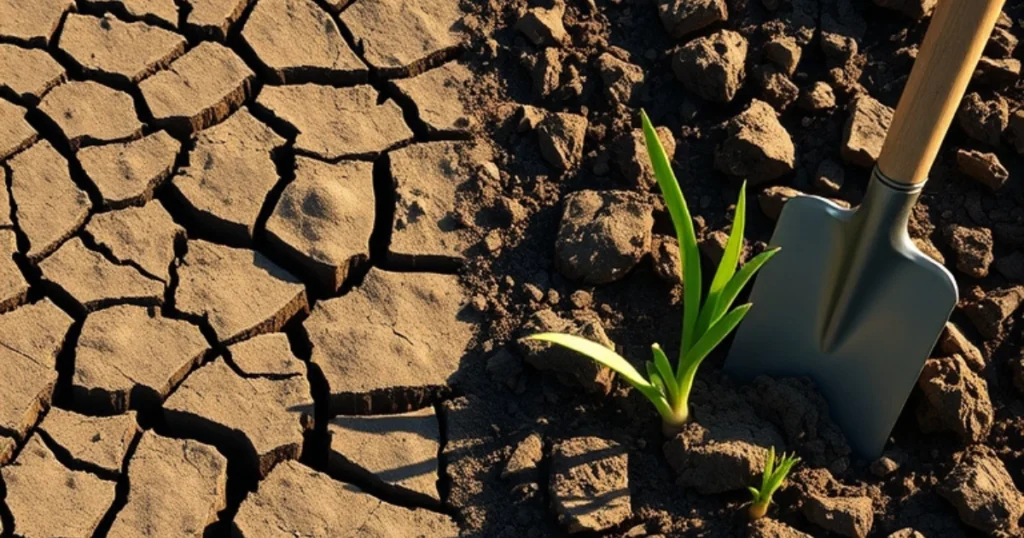
From my own experience, growing garlic in heavy clay soils is a real challenge, especially when the ground stays wet or goes completely dry. These soils often turns rock hard during summer and form sticky clumps that make tillage frustrating. It takes time and special care, but once you understand its requirements, you can successfully grow this flavorful crop. Garlic is one of those vegetables that struggles to thrive in poorly draining soils, almost like it’s racing against time for the soil to warm each spring.
Unlocking Success: How to Grow Garlic in Heavy Clay Soil
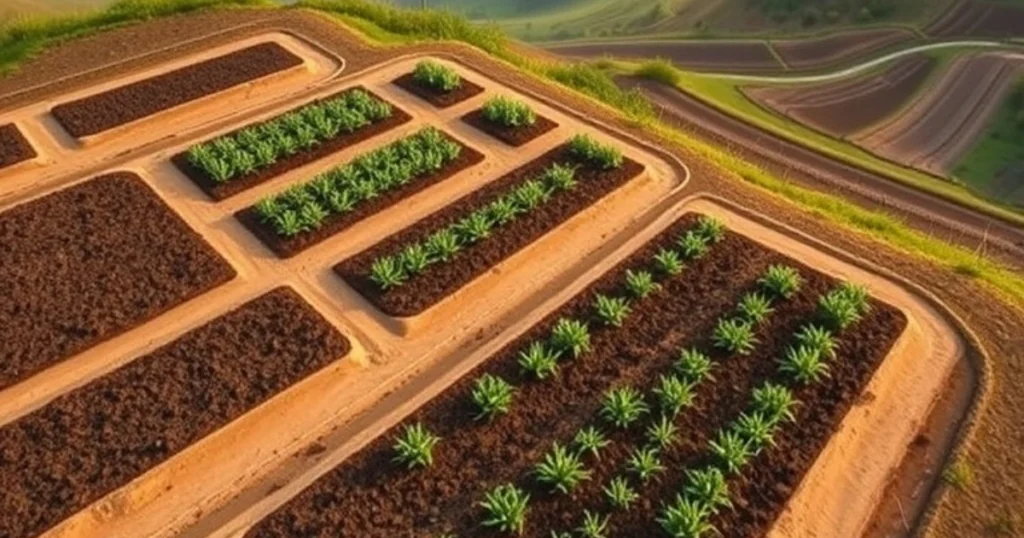
Growing garlic in clay soil can be tough because of its hard texture, poor drainage, and how it holds moisture during wet or dry conditions. On our farm, which stretches across a sloped valley near old rivers, we’ve learned to handle even the heaviest floodplain fields. By using raised beds that stay flat and placing paths and wheel tracks around each bed, we improve air flow and reduce compaction. These heavier soils, rich in ancient sediments and particles, actually store nutrients well and can support healthy bulbs — if you know how to manage the soil properly.
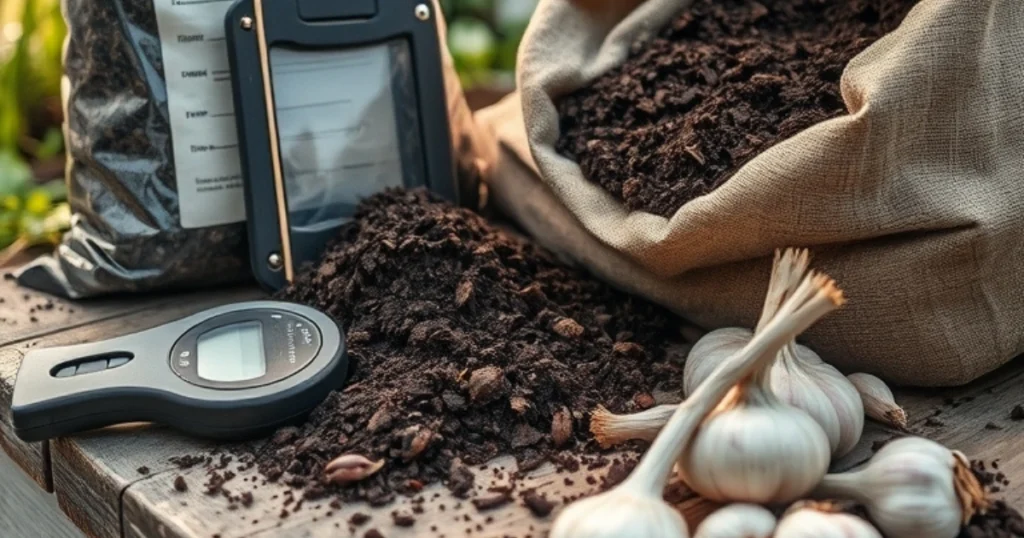
Before planting, we run soil tests in every area to check fertility. If the sample is depleted or lacking nitrogen, we quickly add organic amendments like compost, manure, fertilizer, peat, or peat moss. These not only improve water retention and help break down tight structure, but they also prevent crusting and surface damage. We also grow fibrous and deep-rooted crops in summer to loosen the soil naturally and boost organic matter. Everything from the center of the beds to the slope of the land is carefully planned. Even in urban or sandy gardens, this method leads to better, more fertile, healthy growth for your cloves and future harvest.
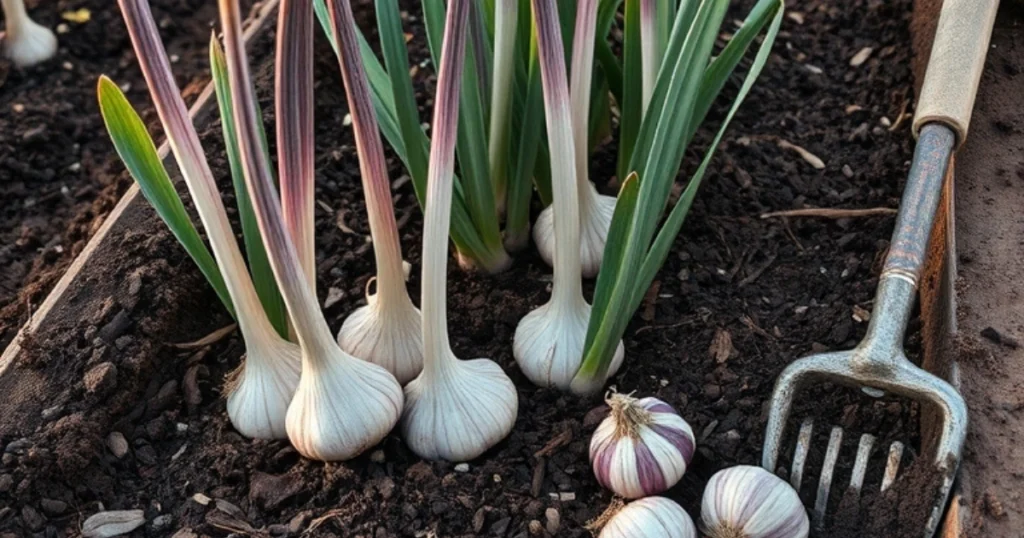
https://theplantgardens.com/understanding-the-mystery-why-is-the-garlic-purple/What often surprises new growers is the difference these steps make — especially when they notice their garlic turning a bit purple. The answer to why is the garlic purple lies in the natural interactions between moisture, nutrients, and weather, especially during early or late season growth. Purple pigmentation can happen from high adhesion of minerals, sudden stress during growing, or simply when bulbs are harvested quickly from pure, extremely rich loamy clay. With the right timing, regular planting cycles, and generous use of well-balanced additions, anyone working with equipment or even hand tools can grow high-yield garlic—proving clay soil is not a barrier but a powerful partner when worked wisely over time.
What to Know Before You Finish
Does garlic grow in clay? Yes, but success depends on proper amendment of the soil to improve aeration and drainage. I’ve grown strong bulbs even in heavy clay by using raised beds, mixing in compost, peat, and manure, and making sure the soil stays loose, never compact or soggy. The best soil for growing garlic is well-drained, fertile, and slightly acidic with a pH between 6.0 and 7.0, rich in organic matter and nutrients. You should not plant garlic in shady spots, tight containers, or next to legumes, onions, chives, asparagus, sage, or parsley, as these can increase disease risks or lower yield. I rotate crops regularly to avoid soil-borne diseases and never replant in the same bed. If you’re wondering what grows best in hard clay soil, try perennials like coneflowers, daylilies, black-eyed Susans, shrubs like roses, lilac, and viburnum, or moisture-lovers like ferns, grasses, willows, and fruit trees. Over time, thoughtful planting and care help plants not just survive, but thrive, even in tough conditions with inconsistent rainfall and full sunlight. And yes — sometimes, I do get asked why is the garlic purple, and it often comes down to strong pH, mineral presence, and a little stress at harvest.