Tomato Watering Needs: What You Really Need to Know
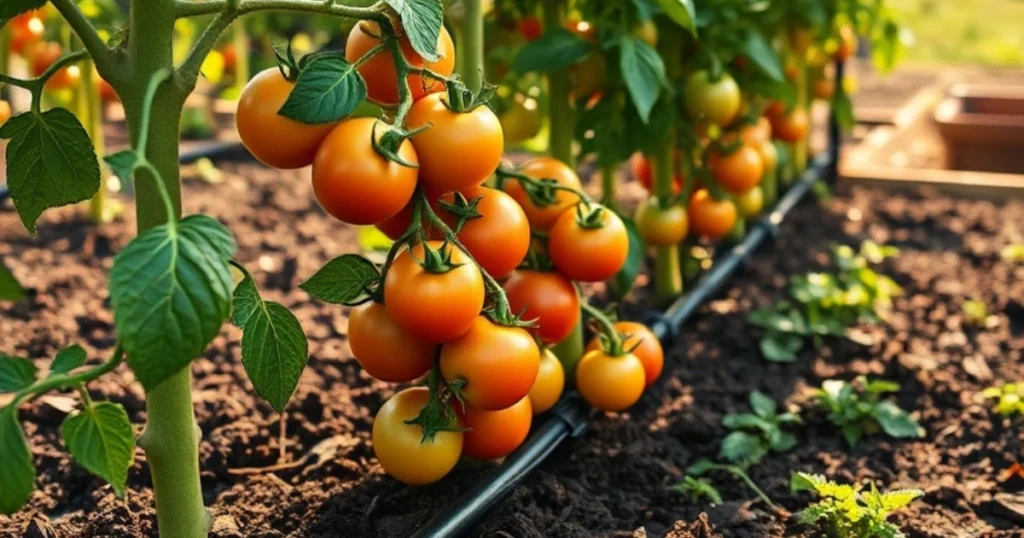
From years of growing tomatoes in small backyards and raised beds, I’ve found that mastering their watering needs is the secret to a truly mouthwatering crop. Whether container-grown or planted directly in the garden, tomato plants are surprisingly finicky, and their success depends a lot on consistent caring. I’ve dealt with everything—from overwatering that caused split and cracked fruits, to times I forgot to water, leading to end rot and a disappointing yield. These heavy feeders need both the right nutrients and proper watering to keep growing and producing flavor-packed, ripe fruit through the season. The problem is, if you’re even a bit under the mark, you can easily reduce your harvest or end up with so-so results. Compare that to native varieties from South America, which were bred to survive tougher conditions, today’s cultivated tomatoes—selectively bred over time for flavor, size, and color—demand more attention. That’s why choosing how you water, how often, and how deeply you let it reach the roots, is just as important as how well your tomatoes are fed. The characteristics that once made wild tomatoes resilient have been phased out in favor of traits we now love. Some of my best harvesting moments came during summer when I timed my watering just right—watching ripening fruits, juicy and glowing, felt like the ultimate treat. Tomatoes aren’t just beautiful additions to your green patch—they teach you to be precise, observant and patient. A well-developed tomato doesn’t happen by luck; it’s a balance of providing the plant exactly what it needs, when it needs it.
How Often to Water Your Tomato Plants (And When)
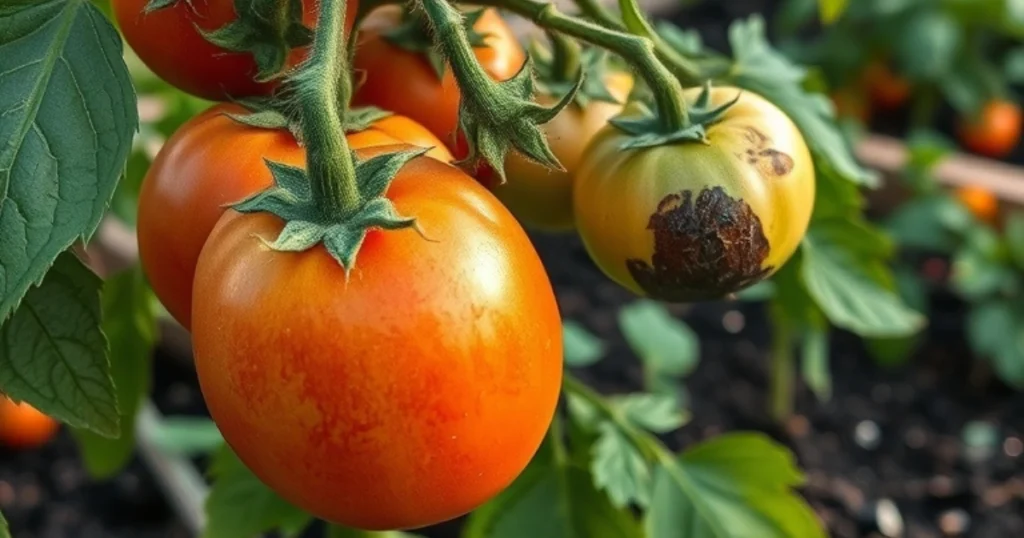
Building on what we talked about earlier in mastering the art of tomato care, especially during the growing season, knowing exactly how often to water tomato plants is where many gardeners—myself included—struggle at first. While consistent watering plays a huge role in developing flavorful, healthy fruit, it’s not a one-size-fits-all approach. You need to consider factors like the plant’s growth stage, soil type, and whether you’re growing in in-ground beds, potted containers, or a straw bale system. I’ve found that container-grown tomato plants, especially in fabric bags, window boxes, or planters, dry out faster due to direct sun exposure and limited soil volume, making daily watering a necessity during hot stretches. Using mulch, organic amendments like compost, or even upgrading to self-watering containers has helped me retain moisture and drastically cut down on inconsistent watering, which, as many discover too late, leads to blossom end rot or cracked and splitting fruit. I always refer back to my handwritten tomato growing guide to adjust watering based on conditions.
In my early days, I used to follow the old advice of an inch of water per week, but over time I realized that a daily check is far more accurate. I touch the surface and check about an inch below to see if the soil is dry. In raised beds, my tomatoes tend to need more attention than those in shady spots in in-ground beds, especially for large-fruited heirloom varieties like Brandywine or even plum and cherry types I use for sandwiches. Once I learned to adjust based on the maturity of my transplant or seedlings, and the current weather—particularly in my northern climate—my battles with wilt, calcium deficiency, and stress started to fade. I’ve incorporated soaker hoses and a simple irrigation system for my larger setups, while still hand-watering my potted micro tomatoes, which need less water due to their size but still require careful attention in mid-season heat. Around the same time, I also began planting garlic in spring, and aligning watering schedules helped both crops thrive without overworking the system.
I also exchanged tips with Craig LeHoullier, author of Epic Tomatoes and someone whose advice I really value. He shared how his southern straw bale gardens—which are fully exposed to sun—require nearly deep watering daily just to keep pace with root system expansion and plant demand. For me, his experience really confirmed the difference proper watering makes during the critical flower and fruit stages. As a bonus, the bales naturally break down and improve moisture retention—something I never appreciated until I tried it myself. So whether you’re growing hybrid types, heirloom, or experimenting like I did with planting garlic in spring alongside your tomatoes, aligning your watering practices with the needs of the plant and its environment is key. Thoughtful choices in containers, potting mix, drainage, and even small tweaks like mulching can mean the difference between a strong harvest and problems like fusarium wilt or verticillium wilt.
Simple Ways to Reduce Watering Without Hurting Growth
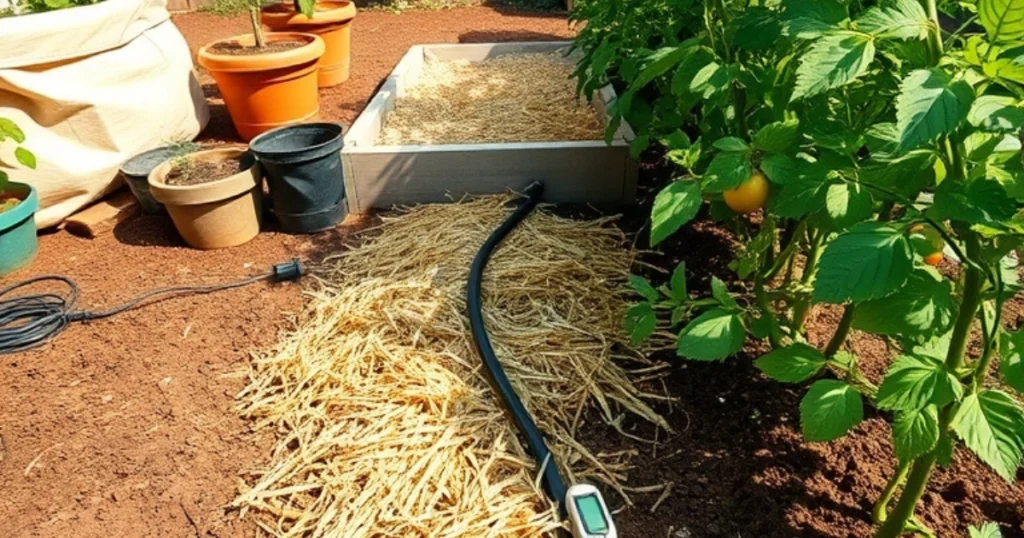
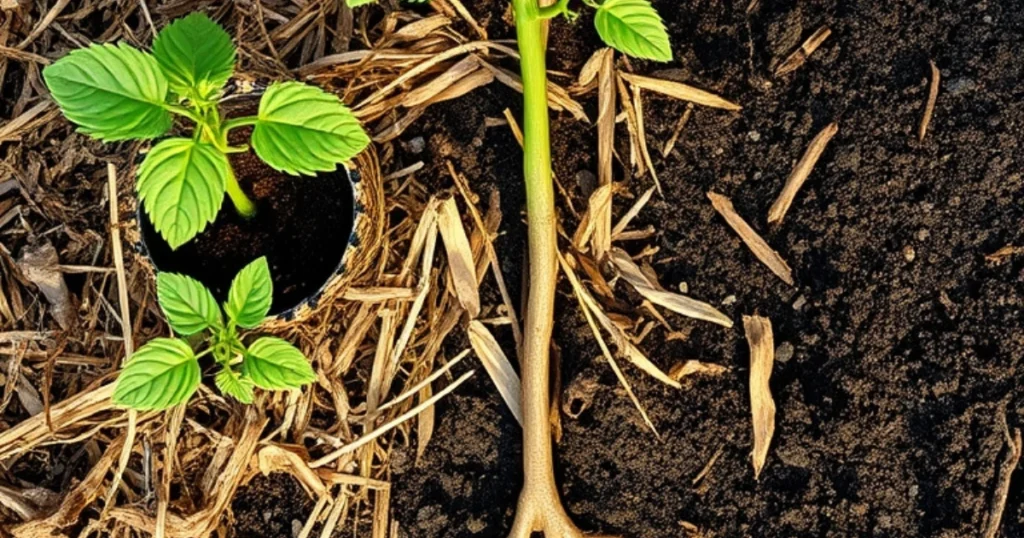
One trick I’ve learned over the years—from growing tomatoes in raised beds, in-ground gardens, and even container-grown setups—is that you can reduce watering a lot by building a healthy root system and improving moisture retention in the soil. I start by using organic mulch like straw, shredded leaves, and grass clippings, laying down a thick layer around my tomato plants and seedlings right after planting. This easy mulching technique keeps the soil surface from going dry too quickly and helps fight off soil-borne diseases like early blight, especially when you avoid wetting the foliage or letting wet leaves sit too long. I’ve also added compost, aged manures, and other organic amendments to both my raised beds and containers, which naturally help to retain moisture. Another effective method is deep planting, where I bury the bottom half of the stem, encouraging a dense root system that’s more tolerant of drought conditions. This approach builds robust root systems, and I now rarely see wilting, even after a hot day. I always apply water in the morning, which is the best time of day since any splash can dry off before nightfall, reducing the risk of diseases like blossom end rot. Keeping weeds pulled is another important tip—those little invaders secretly steal water from your tomatoes. Whether you’re prepping for your next batch of tomatoes or even planting potatoes in a barrel, these changes help your whole garden system thrive with less water and less daily effort from busy gardeners like us.
Seasonal Watering Adjustments for Better Tomato Growth
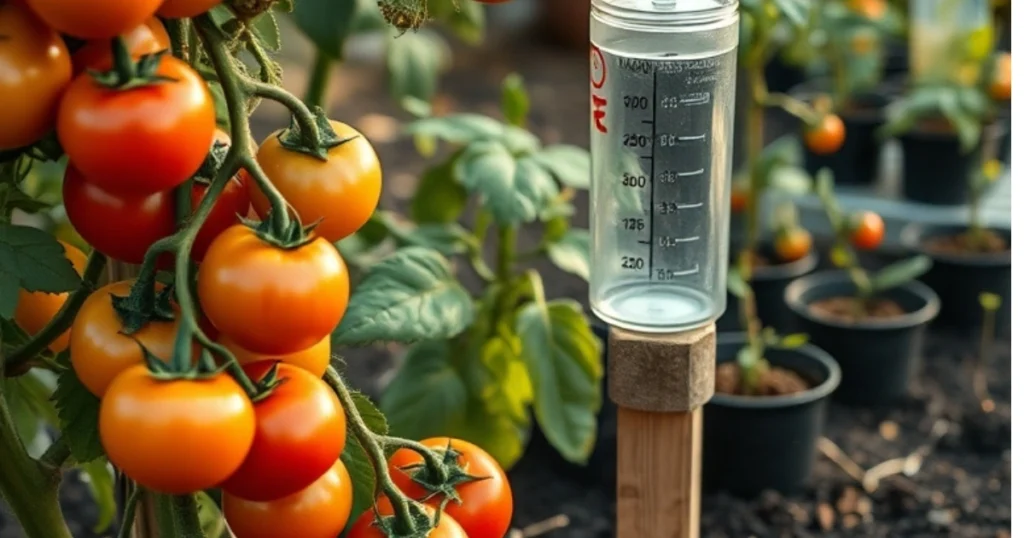
As my mature tomato plants begin to ripen in mid to late summer, I always adjust my watering habits to match their growth stage and avoid risks like overwatering, crack, or splitting—common in super-sweet types like cherry tomatoes. It’s surprising how much you can reduce watering by simply adding mulch at the base of plants to help keep moisture in, especially during hot weather or after a heavy rain. A simple rain gauge helps me know how much water they’ve received, so I can skip when needed. I’ve also learned to give my seedlings a gentle mist using a spraying bottle—just a few squirts are enough early on to help them establish strong roots and avoid issues like damping off. Once young tomatoes are ready for transplant, a deep soak supports healthy growth without encouraging underwatering or overwatering later. As fruits form in clusters, I watch them daily, especially in late in the season, to see if they ripen quickly and evenly, and I make small adjustments if the soil seems dry or too wet at the surface. Careful monitor soil moisture checks and consistent tending help me keep my fruiting plants productive, locking in better flavors, smoother production, and a harvest that really does turn out well. These tips work for tomatoes—and even when I’m planting grocery store garlic, this kind of detail makes a difference.
Common Watering Mistakes That Hurt Tomato Plants
After learning how to reduce watering and the best time to do it from real hands-on experience, I realized the next step is avoiding small mistakes that quietly harm our tomato-growing journey. These issues show up especially during peak hot, windy days or when you’re trying to grow potted tomatoes like I did out on my balcony in August.
- I used to rely on daily watering without checking the soil, which led to soggy soil, wilted leaves, and even root rot. Now, I check the top two inches before watering to stay in that sweet spot.
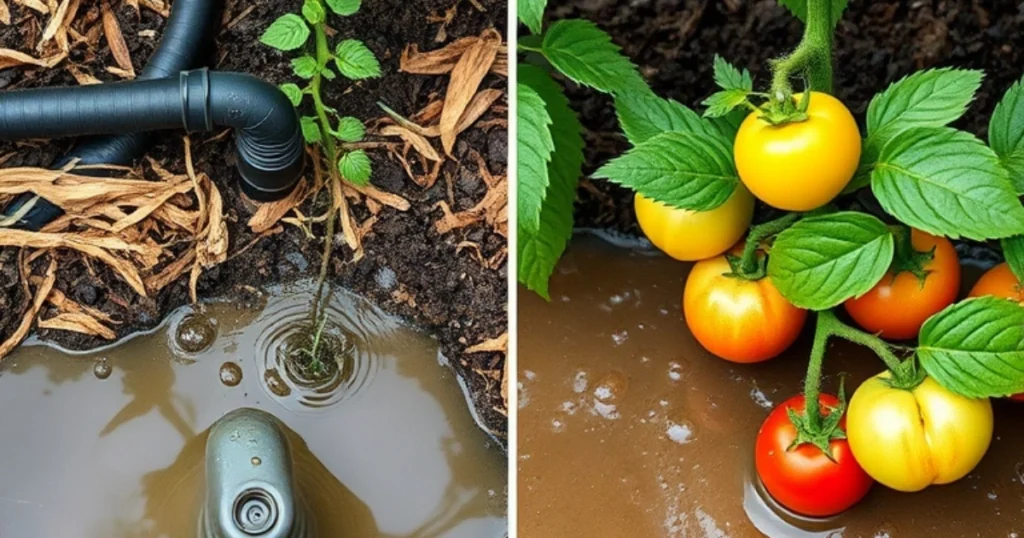
- Overwatering can cause cracked fruit, swollen tomatoes, and rotting fruit, while underwatering leaves you with stunted growth and dry roots. It’s all about balance.
- I now always water at the base of the plant using either a soaker hose or drip line, avoiding splash and reducing the risk of fungal diseases—especially in cool environments where bacterial diseases thrive.
- To improve disease prevention and keep moisture in, I use organic mulch like shredded leaves and untreated grass clippings, placed a few inches away from the base of the stem.
- I’ve learned to avoid evening watering, which I used to do out of habit, and now aim for a morning routine that allows the plants to stay moist but not soaked, helping prevent just about every issue on the list.
- As part of my tips for perfect tomato, I make sure my roots grow deep—around 6-8 inches—by soaking the soil properly. This discourages surface roots and helps nutrients stay put.
- All these little adjustments made the difference between disappointment and the satisfying bite of a juicy fruit straight off the vine.
Final Thoughts: My Proven Watering Routine for Happy Tomatoes
After experimenting across various setups—container-grown, ground beds, hot climates, and even a windy balcony—I’ve found that mastering the balance in growing tomatoes watering comes down to understanding your plants, their root system, and the environment. Whether you’re dealing with newly transplanted tomato plants or mature plants in extreme heat, the goal is to avoid overwater mistakes that block oxygen by drowning roots, leading to root rot, wilt, or yellowing leaves. I’ve learned to keep a close eye on soil moisture, adjusting frequency so water reaches the roots without wetting the foliage too much, which helps prevent disease. Don’t forget to apply about 1-2 inches of water weekly—sometimes more for frequent watering of potted varieties—and always water deeply at the base, ideally in the morning so leaves dry quickly. This simple habit supports consistent moisture, healthier root growth, and steady fruit development. Over time, I discovered that improper waterings cause cracking, blossom end rot, or stunt growth by letting soil get too soaked or too dry. Watering daily may sound safe, but it can encourage shallow growth and harm plant maturity. Instead, let the soil dry out slightly between waterings to promote stronger roots and better draining. Sticking to a consistently smart routine protects your tomatoes through shifting weather, minimizes cracking, and rewards you with a thriving garden—not just in theory, but in the real-world dirt of experience.