Starting Your Barrel Potato Project with Confidence
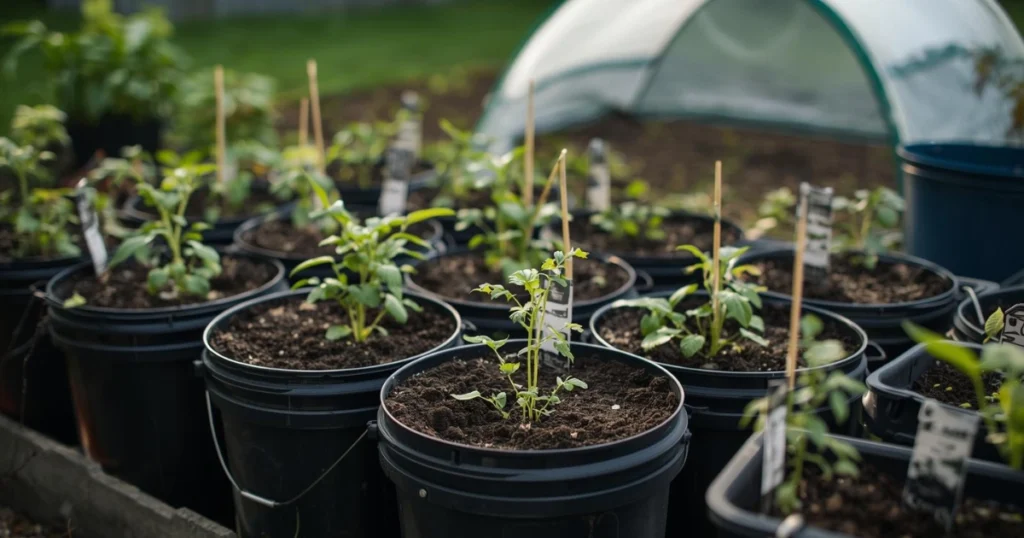
I first learned when to plant potatoes from a local gardening agent who said to watch for dandelions blooming—nature’s sign it’s time to begin. Since then, I’ve had plenty of success growing even a tall potato variety in barrels, using a basic 55-gallon plastic container. I started by placing it on bricks near a sunny location, then drilled holes near the bottom for drainage. It’s important to place your certified seed potatoes with the eye facing up, about an inch or two deeper than usual. Many folks ask how deep potatoes planted should be — in my experience, a bit deeper allows for stronger roots and bigger tubers over the full season. I use a mix of soil, peat, and compost, keeping the moisture consistent but not soggy. As your spuds grow tall, continue adding more soil to cover the sprouting tops each week, slowly building layers around them.
My go-to feeding strategy includes fish and seaweed fertilizer, available at stores or online websites, which helps promote healthy flowers, clusters, and strong growth. I prefer reusing a whiskey barrel or even a fancy container—it’s common but looks attractive near the house. When plants begin to yellow, it signals harvest time is close. Just tip the container over, dig them out gently by hand, and you’re good to go. But don’t wash them right away—curing potatoes is essential. Just brush off any dirt, let them dry in a cool, shaded area with ** plenty of airflow**, and store them properly to extend freshness. Honestly, this method helped me avoid the hard, heavy digging in rocky garden beds. Whether you have big space or a small, circular setup, barrel growing provides an efficient, better way for growing high-quality potatoes, especially in a raised or cold area where soil may cause decay.
Easy Steps to Make Your DIY Potato Barrels
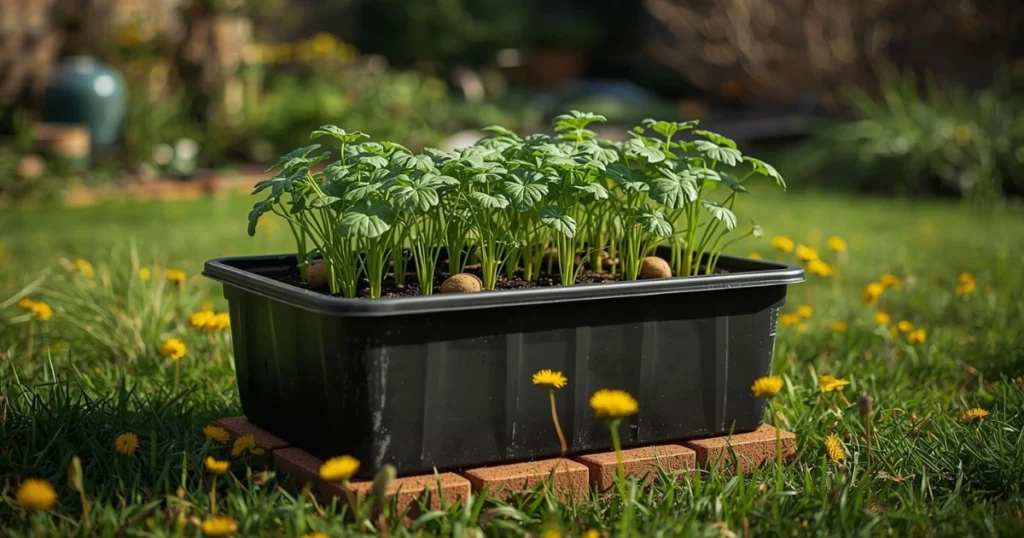
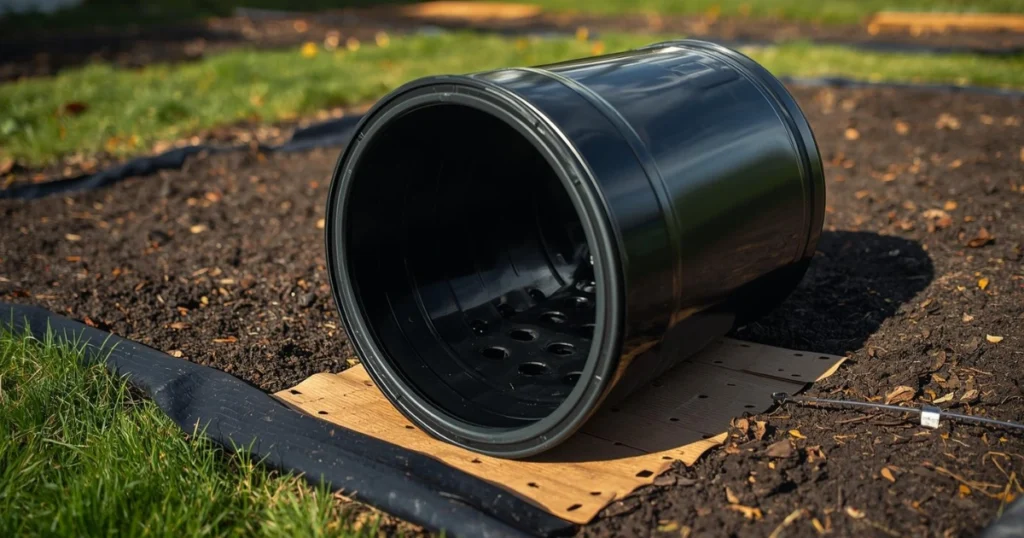
If you’ve ever wondered when to plant potatoes, the perfect time is just after the last frost. I’ve found that using 55-gallon barrels makes the process simple and efficient. First, I always clean the barrel thoroughly to remove any toxins, especially if it’s been used for something else. My neighbor Dave taught me that cutting them in half with a skill saw works best. If your barrel doesn’t have removable lids, you’ll need to cut off the bottom. Or, keep the bottoms and just drill several holes to allow drainage. Make sure each half is seated directly on the garden ground to give the potatoes room to grow and plenty of healthy soil around them. This creates a true growing tube. I like to place a weed barrier or even cardboard and mulch around the barrel for extra help keeping weeds down. If you enjoy trying new gardening ideas, explore Lasagna gardening—it’s great for this system.
Next, I lay fabric or landscape cloth and cut holes where I’ll plant the spuds. Keep them about six inches apart, right near the outside edge of the circle, a trick I use to let each plant get maximum sunlight. Wondering how deep potatoes planted should be? I go roughly 6–8 inches deep—it helps support strong growth and results in a tall potato crop. Be aware that curing potatoes after harvesting is important too. Just brush off the dirt, don’t wash them, and let them air out for a few days. This DIY setup is easy, surprisingly heavy-duty, and truly a fun way to grow delicious Potato or even strawberries in a Diy home setup.
Best Soil Mix Recipe for Potato Barrels
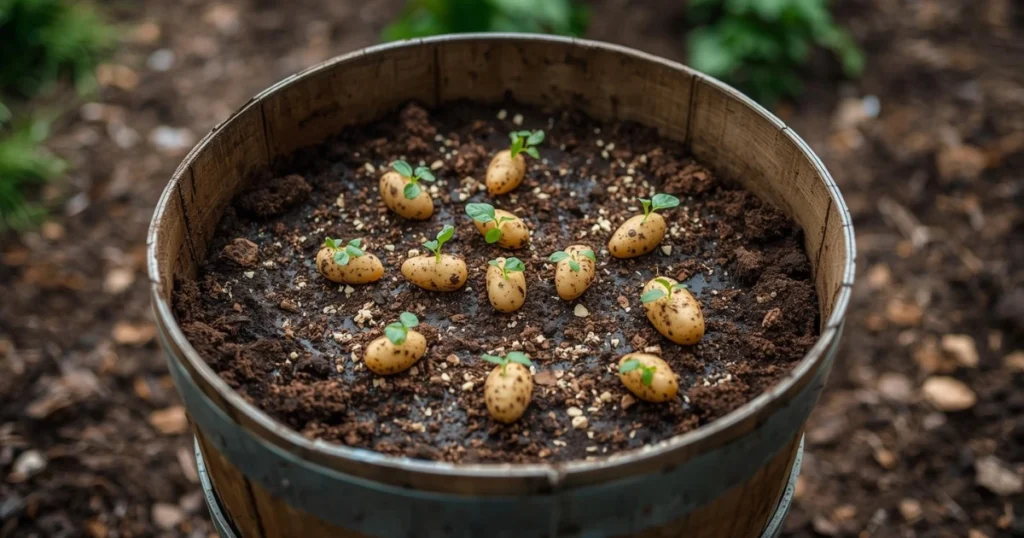
For my potato planting, I use a barrel filled with a one to one blend of topsoil and heavy clay straight from the garden. I’ve added coffee grounds, crushed egg shells, and a few handfuls of chicken manure and bone meal, which I’ve sprinkled over the top layer of dirt after placing each spud about 6 inches apart. Every section was carefully placed, letting the sprouts grow straight up in the barrels for neat vertical shoots and strong roots.
Proper Way to Prep Seed Potatoes Before Planting
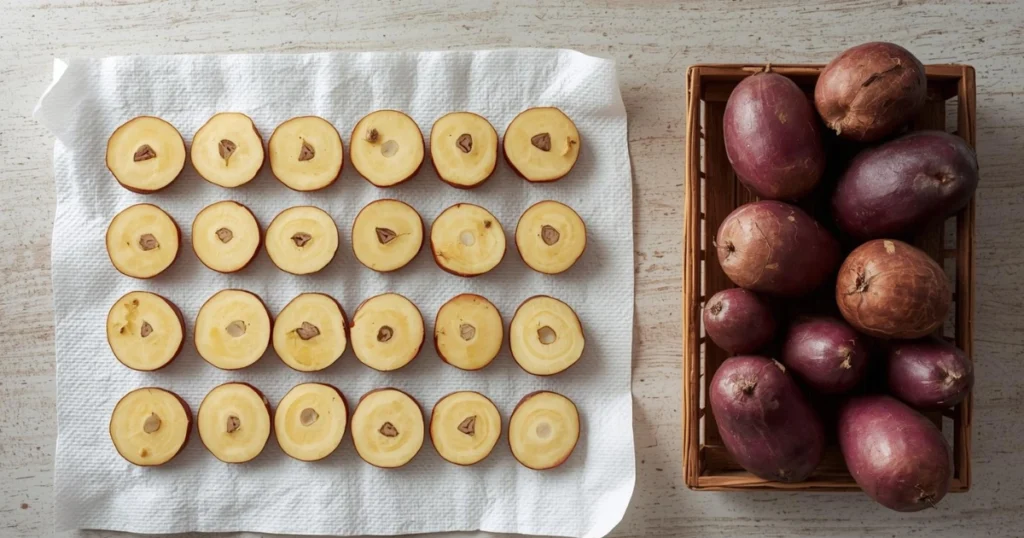
Before planting my seed potatoes in potato barrels, I always prepare them a full day ahead of time. I cut the larger ones into sections, making sure each has an eye or visible sprout, and place them on a paper towel to heal up and dry for at least 24 hours — this helps avoid rotting in the soil. Dave at the local feed store or co-op usually buys fresh purple potatoes, which are small, nutritious, and full of antioxidants, with a buttery flavor, deep color, and flesh that’s delicious in any recipe. The rule of thumb is the darker the leaves on your veg, the better they are for your health. Once prepping is done, I place them in layers of soil within the barrel, 6 inches deep, with a second layer to cover each potato. Whether from the grocery, farming market, or sale, whole or cut, the goal is to help the roots grow, the plants to form long stems, and eventually harvest them once plant flowers die and barrels are filled to the top — that’s the full growing process from start to your ready reward.
Best Way to Get Potatoes Out of Your Barrel
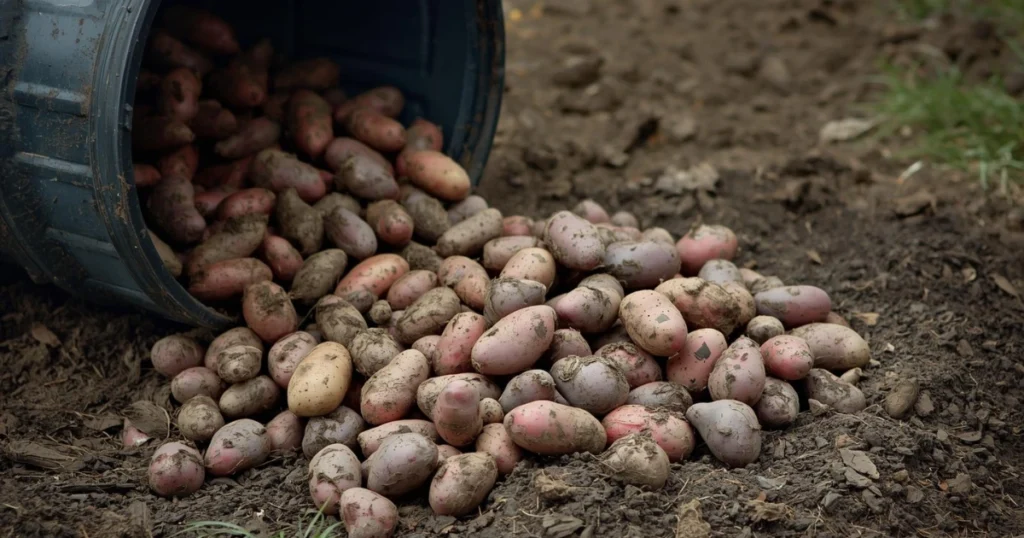
When it’s time to harvest from your potato barrels, I usually pull the potatoes out by hand or use a shovel if the soil is firm. One year, Dave had an open bottom barrel and simply lifted it to let the dirt fall into a pile—a method he chose to save both time and mess. I’ve planted different types like purple potatoes, reds, and Fingerlings, and they all grow well in barrels with fewer scab problems, making this an easy way to plant and harvest.
Final Thoughts on Barrel Potato Growing
If you’re wondering, can I plant potatoes in a barrel, the answer is yes—it’s an easy and space-saving project perfect for small-space gardens. A potato barrel lets you grow healthy potatoes right at home, using just a bit of soil and a few seed potatoes. It really works—so if you’ve asked, does a potato in a barrel work, absolutely, especially when you use quality tubers from a Garden Center or organic grocery store. I like using a 5-gallon bucket, and if you’re thinking, how many seed potatoes can I plant in a 5-gallon bucket, I’d say 2 to 4, making sure each piece has visible eyes to grow strong. To avoid overcrowding and boost your yield, try the hilling method—keep adding soil as the plants grow taller.
People often ask can potatoes be planted in October, and yes, you can plant in late September or October if you’re in Zone 9 or Zone 10. These zones have a longer growing season, and planting during fall instead of spring gives you more time to grow bigger potatoes. I always recommend using a row cover if temperatures drop below 40 degrees to protect them. From choosing the right seed potatoes to watching how they sprout in your potato barrel, the process is simple and rewarding when done right with a little care and planning.