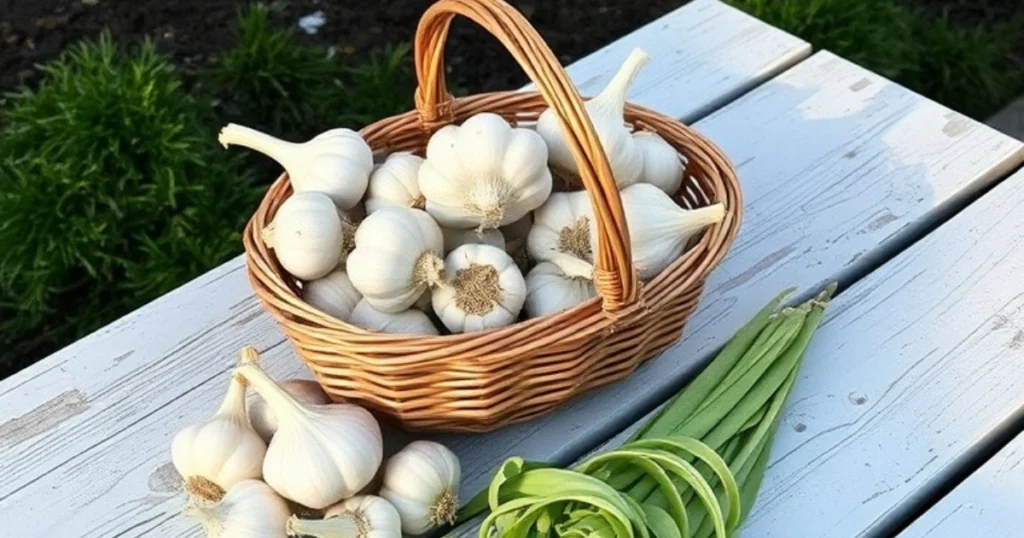
How Store-Bought Garlic Becomes Garden Gold
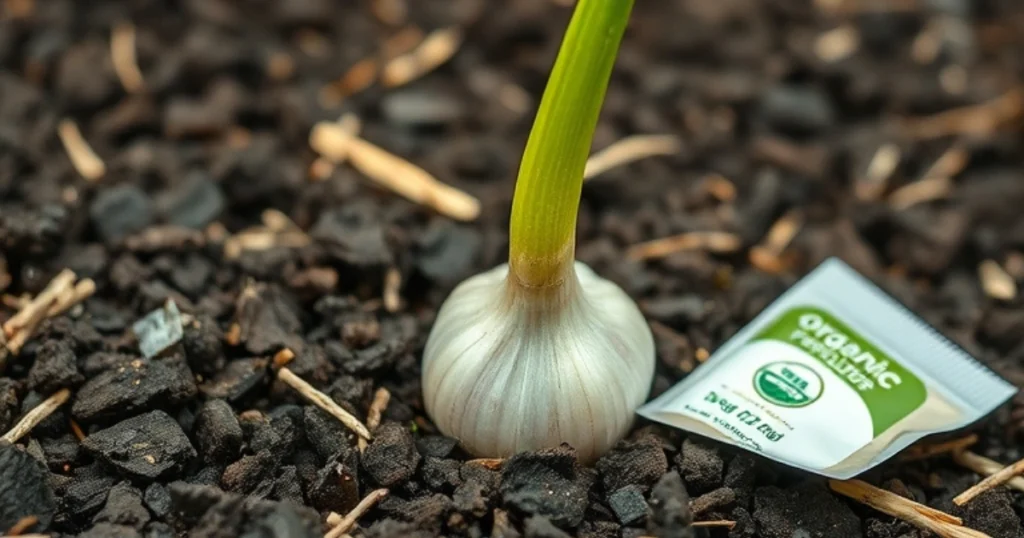
Starting with store garlic from your kitchen or the grocery store can be a rewarding experiment in home gardening, especially if found in the produce section or produce aisle. Look for firm garlic bulbs, sprouted garlic cloves, or a visible green shoot—better if it’s organic garlic, not commercial garlic, or overly treated bulbs from a supermarket. Local options like market garlic or bulbs from local farmers adapt better to climate, grow well in garden soil, and often hold more flavor and shelf life. Before planting garlic, ensure proper treatment, observe storage types like cold storage, and check for fresh, not overly stored garlic.
Use from cloves or even garlic seed, seed garlic, or bulbils for propagation, matching the right types to your gardeners’ goals. Track vernalization, rooting, consistent timing, and how the sprouting works across plants, from vegetative starts to true seed. Understanding how to grow includes observing growth, checking soil, doing checks, and managing the plant through to harvest. With focus and care, you’ll carry from planting to reward, learning from growers, enhancing success, and making use of leftovers from kitchen, store-bought, or even supermarket garlic—all while enjoying real, low-cost, backyard-grown garlic.
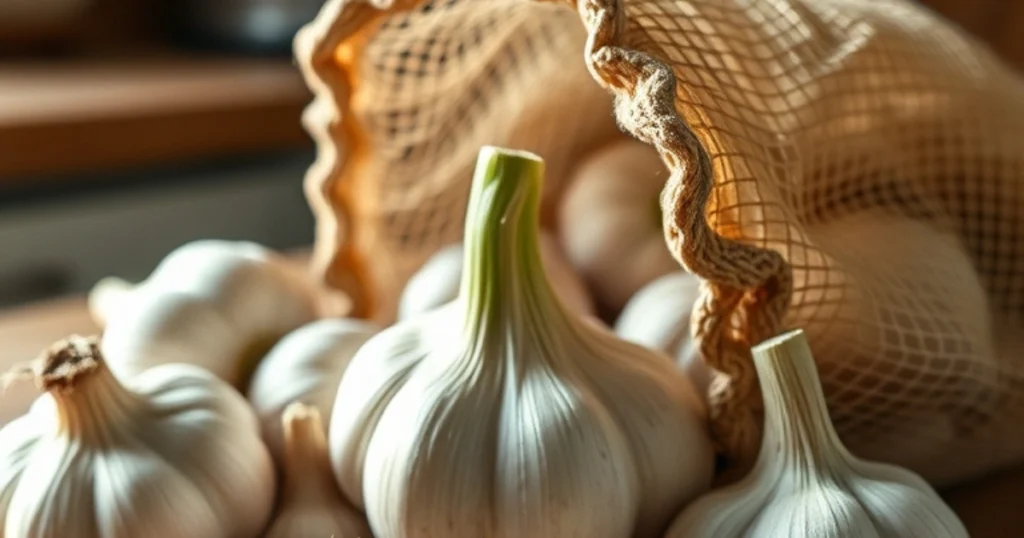
Will Grocery Garlic Really Grow in Your Garden?
When I first tried planting distance garlic in my backyard, I realized many factors matter—from handling and storage to temperature and shelf life. Not all store garlic will sprout; some are treated with sprout inhibitors, irradiation, or kept in cold storage to prevent growth, especially imported or stored garlic. Choose firm, heavy, organic, or local bulbs, and avoid moldy, old, or soft cloves for success, particularly in tough climates like Zones 3 to 6, where hardneck or seed garlic is better than common softneck garlic from the grocery. Follow your area’s USDA Zones, understand the requirements, types, and correct propagation—whether through vegetative or from cloves—to help your bulb root, sprout, and truly perform, all while keeping things straight from store to soil, and remembering what you carry from planting.
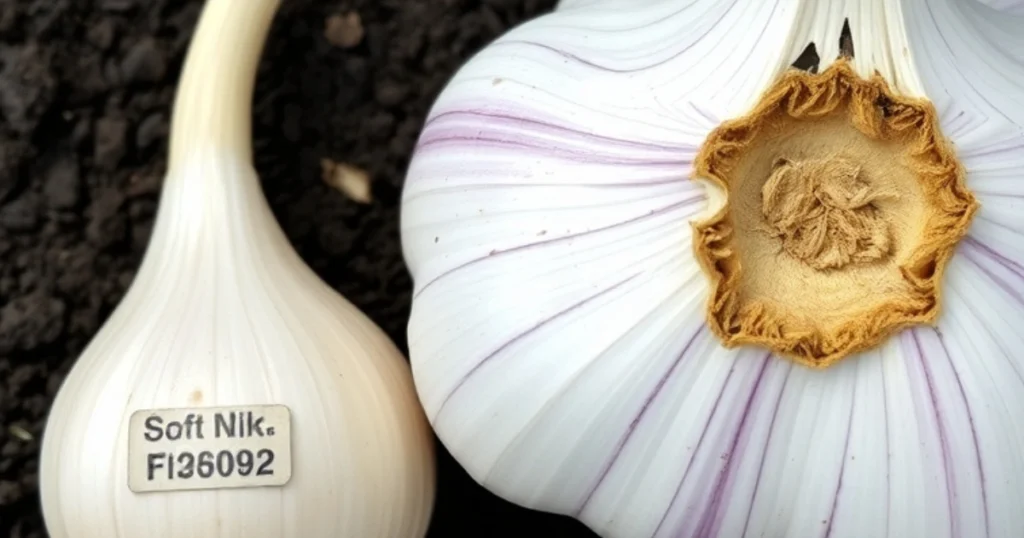
Store Garlic or Seed Garlic: Which One Should You Grow?
When I first began planting garlic, I tried both a store bulb from the grocery store and certified seed garlic, and it was eye-opening to compare how each bulb performed at harvest. Though store bulbs are cheap, easy to find, and seem great for experimenting, they can be unpredictable—some sprout readily, others never start. In contrast, seed garlic is grown specifically for planting, comes disease free, carefully stored, and in hardneck or softneck varieties, offering more reliable plants that grow bigger, healthier. Many gardeners grow a small patch of both and compare the results, even if they have to pay more for seed stock, because in the end, the learning curve of growing garlic is worth it.
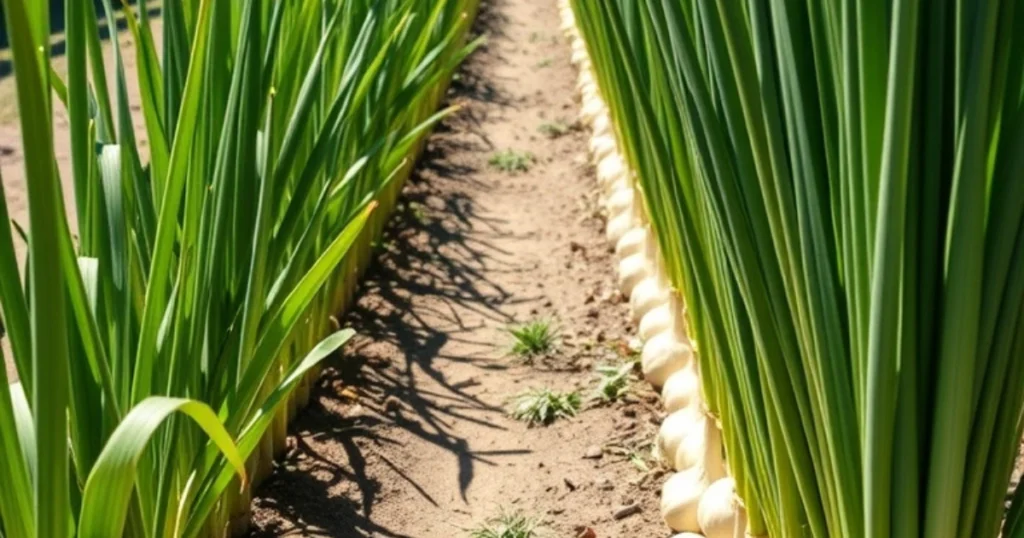
Turning Grocery Garlic into a Garden Success
I always start by carefully prepping firm bulbs from a grocery clove, picking ones with no hollow feel or off smell, and separating them by the basal plate to keep the pointy end intact. Whether it’s fall planting or spring planting garlic varieties, I plant each clove deep, 2 to 3 inches down and a few inches apart in the garlic bed, then cover with mulch to protect from freeze or cold climate. Since garlic is a heavy feeder, I fertilize using key nutrients, keep the soil watered, weeded, and watch signs of maturity, like brown leaves or drying stalks, before I carefully lift from the dirt. Over the months, I compare rows of seed garlic and store-bought to track vigor, bulb size, and even emerging scapes, and honestly—with the right tip and region timing—I’ve had great results from both local, organic, and well-prepped store cloves.
Growing Fresh Garlic Greens in Your Kitchen Window
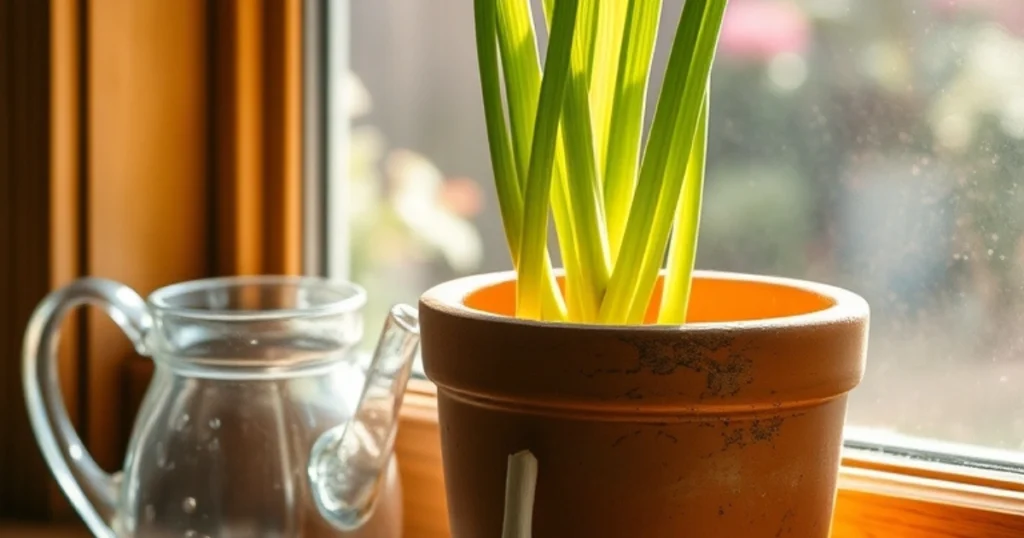
If your goal is a quick win, try growing garlic greens using sprouted cloves in a shallow pot set on a windowsill or sunny window. For best results, give your garlic indoors a bright sill, consistent light, and moderate watering to maintain the right moisture. I usually water gently every couple of days and harvest the greens when they reach about 6 to 8 inches. Knowing how to grow like this gives you fresh flavor fast – straight from a windowsill garden to your plate.
Troubles You Might Face When Growing Garlic from Store Cloves
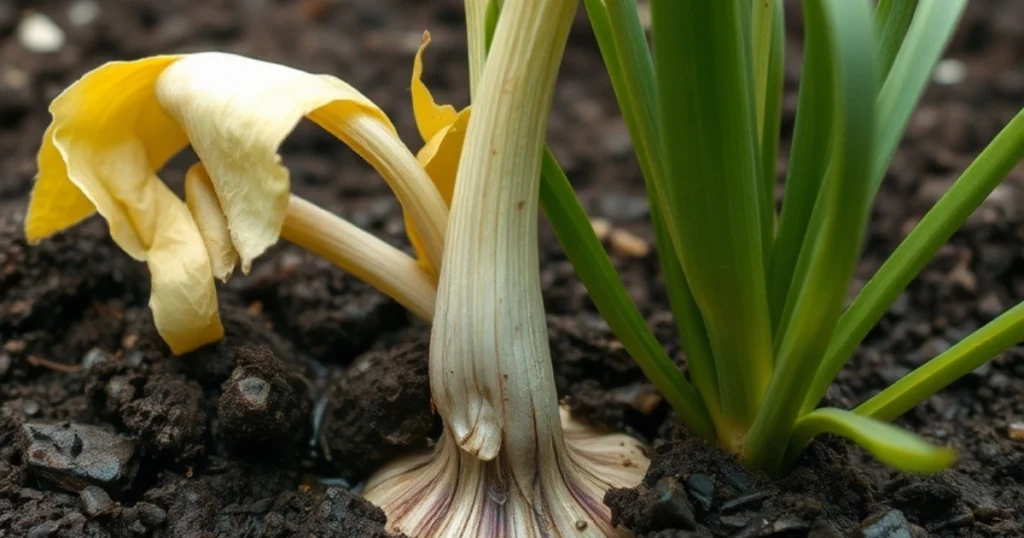
I’ve learned the hard way that garlic problems like yellowing leaves, paling, or turning yellow often come from overwatering, inconsistent watering, or planting too shallow—kind of like asking how deep potatoes planted should be. Some cloves fail because they’re treated, irradiated, old, or dry, while others rot due to soft, smelly heads or poor storage. Always pick firm, fresh, local, or organic bulbs, add mulch, and keep the soil evenly moist, especially in spring when temperature swings happen. If your bulb doesn’t grow, try again using seed garlic instead, and improve nutrition, reduce nutrient stress, or toss bad cloves in the compost
Was It Worth It? My Honest Garlic Growing Experience
If you’re new to planting, trying store bought garlic is a low risk test that’s actually fun, and it teaches a lot about soil, climate, and which types truly succeed. I’ve had my share of hit or miss, but when growing glorious garlic, some plants gave larger, more reliable bulbs even with little spending. You won’t always get seed garlic quality, but in late spring, spotting garlic scapes is a great sign your hardneck variety is on track, and a tasty bonus crop too. Over time, you’ll see the flavors improve, the results feel more intentional, and the whole process becomes less about the risk—and more about the growing.