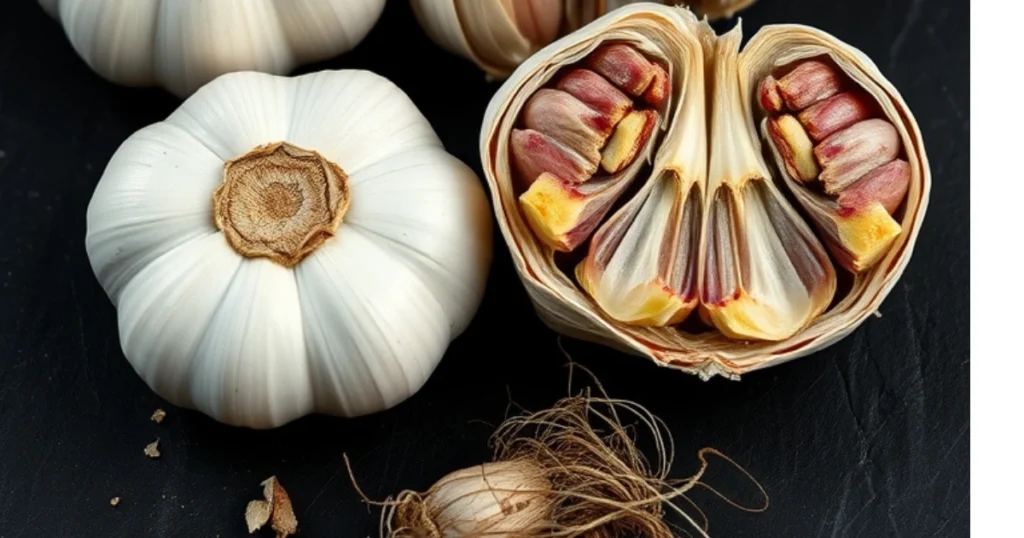
Aromatic Strength in Every Clove
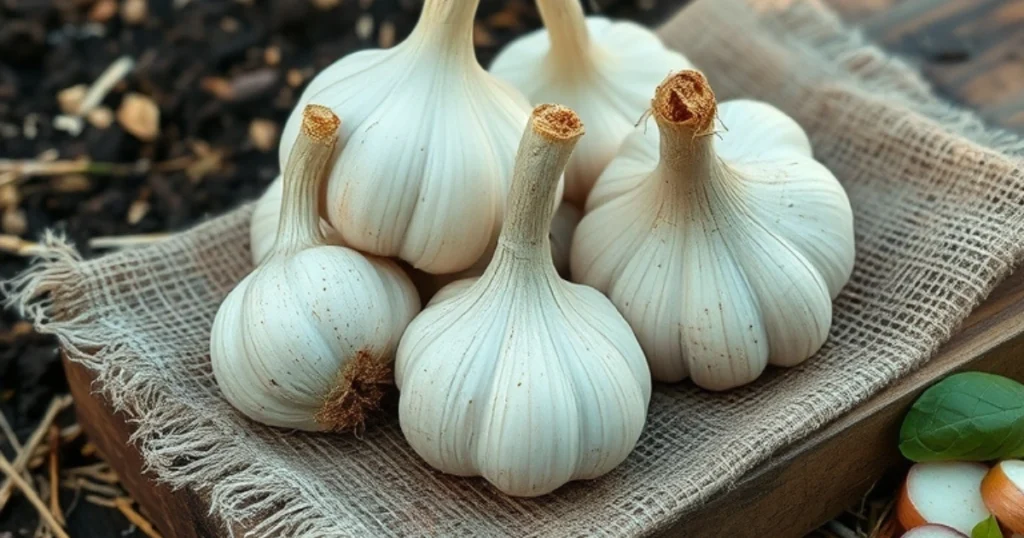
Growing porcelain garlic in my backyard garden has been one of the easiest and most rewarding choices I’ve made—its hardy, robust nature truly thrives in my cooler zone, especially with well-drained composted soil and a layer of mulch for winter protection. Each clove is easy-to-peel, wrapped in a thick white wrapper that keeps amazingly well through storage, and when cooked, the Full-Flavor is both richly satisfying and spicy enough for bold recipes like pesto, cioppino, or marinara. Whether it’s slow roasts, simple soups, or sweet stews, this variety delivers every time with a sweet yet pungent finish. I prefer it for pesto-making because its juicy and extra large cloves pack such a punch; plus, it works wonders when paired with onion, feathers of broccoli from Veggie tales (my kid’s favorite garden reference), or grilled poultry. You can pick from bags like 1/4lb., 1/2lb., or 1lb., depending on your needs, and if you’re just beginning, the instructions from Keene are incredibly clear—with tips on curl development, harvest timing, soil fertilizers, and even scoops per zone. From my personal orders in March to the final curl in fall, this extra special garlic is what I reach for every time I cook.
Smart Steps for Planting Porcelain Garlic
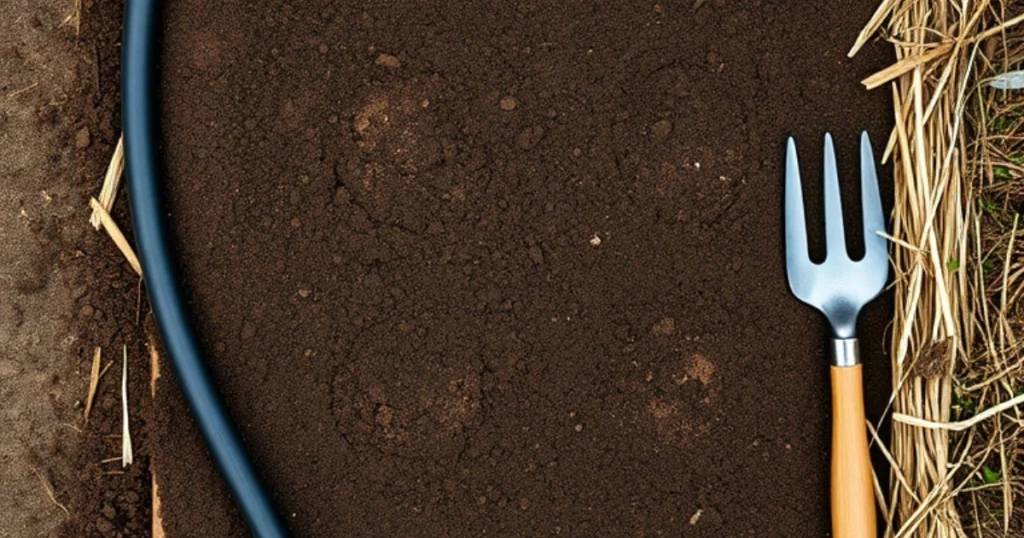
When I plant porcelain garlic each fall, I always start by preparing well-drained soil with compost or well-rotted manure, making sure to dig deep enough to give those plump, fat bulbs room to grow. This type of garlic really performs best in cool, chilly climates—like my northern garden—but I’ve heard folks in warmer regions like Florida, California, and Texas don’t get the same great results. After planting in September or November, I cover the area with straw mulch once the ground freezes, which helps hold moisture and protects the garlic through colder weather. During spring and early summer, when bulbs are forming, I give just about an inch of water per week, unless it’s rainy, in which case I don’t irrigate. I always pull weeds regularly (they rob essential nutrients), and harvest when the lower leaves begin to turn brown in late summer. I’ve found the more generous you are with prep early on, the larger and better the garlic in the end. One year I experimented next to a foot melon patch—it was a strange pairing, but everything still grew well and the garlic was solid.
Unique Types That Grow Best in the Cold
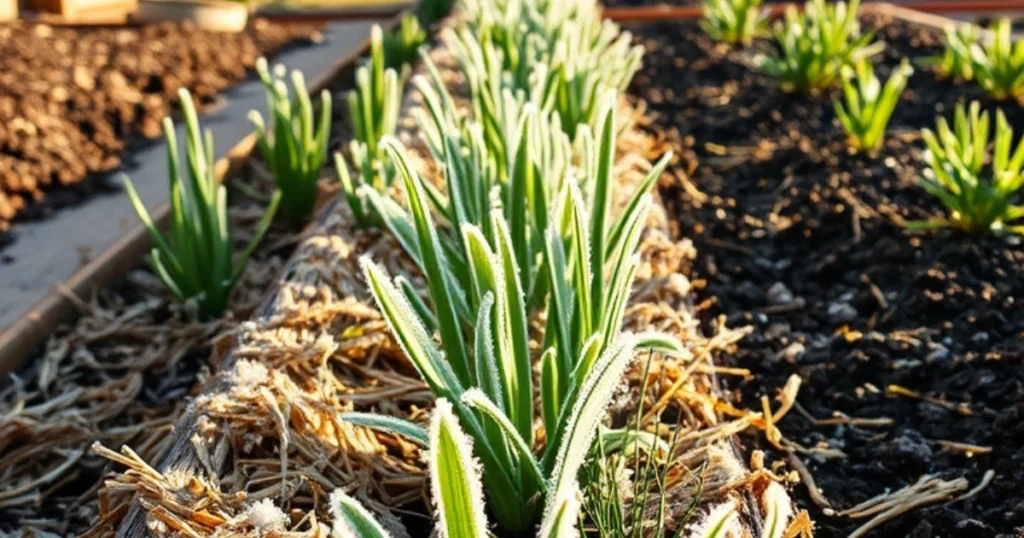
When I grow porcelain garlic, I always follow the same careful steps—starting in fall, using well-drained soil, and planting only the biggest, plump bulbs I can find from my saved harvest or trusted growers. In September or October, I dig well into the ground, mix in manure or compost, then cover it with straw mulch before the frost sets in and the soil freezes, especially in my northern, colder climate. These bulbs really perform in cool, chilly weather, and even though some friends in Florida, Texas, or California face warm, rainy, or humid regions, this type still holds strong if you monitor their grows and adapt. For the best growth, give about an inch of water per week during spring and summer while the bulbs are forming, unless you’re in a climate where rainfall is steady. I always Pull weeds early because they rob nutrients fast, and in late November, when the leaves turn brown, it signals the time to plant, or at least get next year’s garden planned. A friend once planted garlic beside a foot path lined with herbs and used my cucumber planting tips with great success—just shows how versatile garlic can be across all climates, soil levels, and gardening styles, as long as the area is cared for with generous attention from early prep to final pull.
Why Porcelain Garlic Is a Powerful Favorite
Porcelain garlic is a hardneck type known for its impressively large cloves, thick white wrappers, and juicy, easy to peel texture inside each bulb. The flavour is strong, spicy, and sometimes surprisingly crisp, offering a bold taste that’s more refined than most, with great storage for several months and minimal struggle even in colder climates. Compared to rocambole garlic, porcelain has fewer but larger, firmer cloves with longer storage life, although Rocambole offers a richer, more hot, intense bite and easier-to-peel skins. The German porcelain variety stands out with its translucent skins, up to 3 inches in diameter, and is especially noted for producing crispy, flavorful cloves that thrive in cold winters and mild summer conditions.