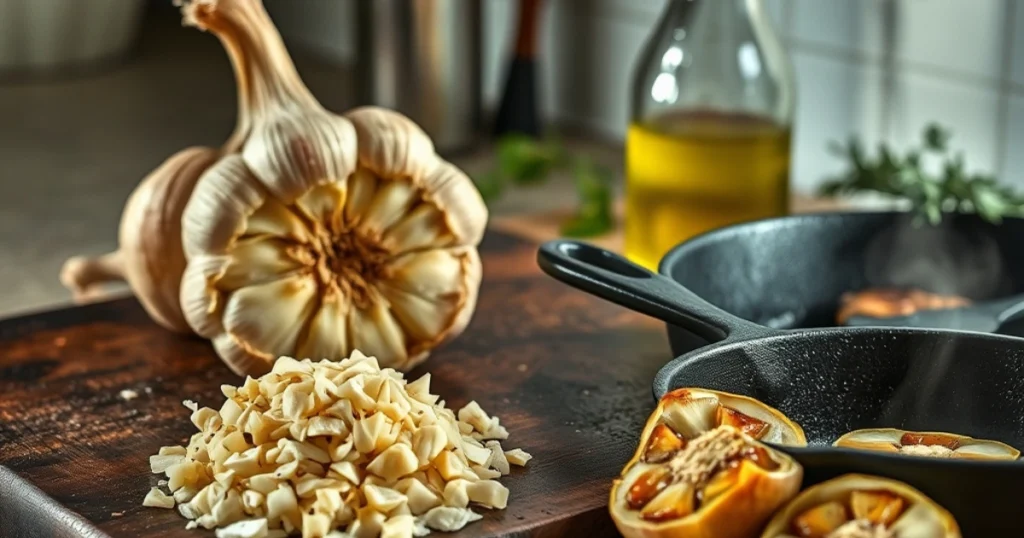
Recognizing Rocambole in the Garden
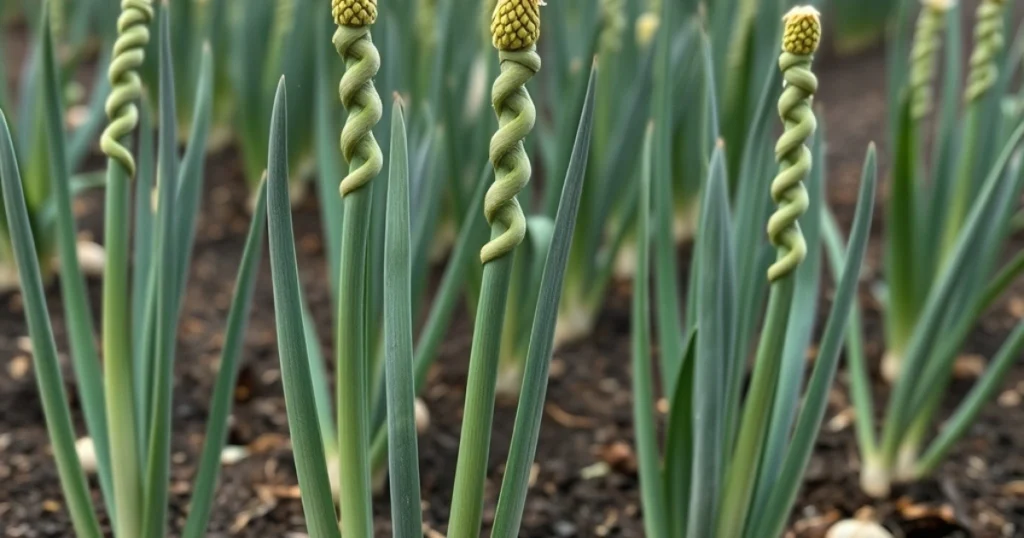
Watching Rocambole garlic grow in my garden each year is a rewarding experience that never gets old. Early on, it reminded me of spinach seedlings—green, tender, reaching for light. But soon, it develops a sturdy, upright presence with tight, spiraling scapes that form elegant loops. These coiled tops give hints about what’s happening underground, where plump, medium-large cloves form inside a hardneck bulb. As the garlic matures through July, the wrappers around each clove stay slightly loose, never as tight as softnecks, which gives micro-organisms an open door, making storage shorter, but the flavour undeniably richer.
In perfect climate conditions—cool exposure, light humidity, and well-draining soil—Rocambole garlic will thrive. It’s visually unique at every stage. The skin tones range from reddish and brown to pale tan, often peeling more easily due to its naturally refined form. The curves of the scape and the emerging umbel are features many growers wait for excitedly each season. For those wondering, this is what garlic looks like growing—quietly dramatic, robust, and always promising what’s to come.
Appearance, Growing Conditions & Effort
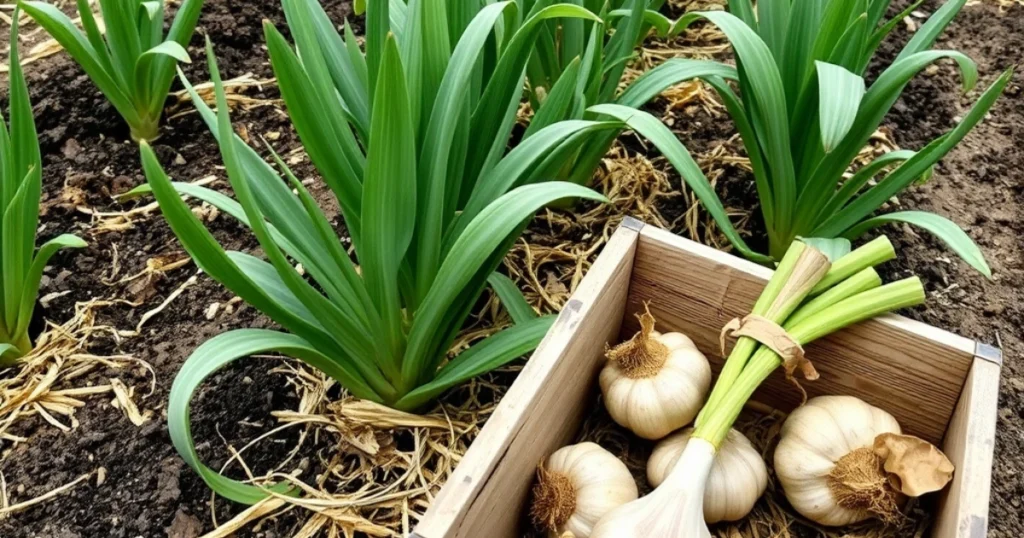
In the field, Rocambole may not always be the easiest. It can be tricky, especially in heavily wet or mildew-prone zones. But the result is so rewarding. Hailing from areas like Wisconsin and thriving in cold-hardy, northern zones such as Canada, this variety has become a staple among those who prefer to grow organically. A single pound can yield approximately 55-80 cloves if spaced about 6 inches apart—a reliable estimate for hobby growers or small community gardens. Thanks to its strong, robust, slightly spicy profile, it’s a favorite among chefs looking for deep, complex flavours, and those preparing culinary dishes that demand depth. I personally love it raw—grated into sauces or stirred into vinaigrettes with vinegar and garlic flakes. It’s a punch of heat followed by sweetness that only this type delivers. Yes, it might not store long—maybe until February if cured and kept in optimum conditions—but the flavors mature beautifully even in shorter shelf periods.
Details Worth Knowing for Planting & Order
Ordering in advance—ideally before October—is key, because these bulbs don’t last forever. Shipping starts each September, right after harvest and curing. Most customers aim to plant by mid to late October, depending on the zone. Sizes vary: Jumbo, Med/Large, and large, each with different weight and clove count. For example, a 10lbs pack might cover 25 to 40 linear feet if you’re correctly spacing the rows. The bulb sizes also determine their market appeal, which is always something to consider whether you grow for eating or resale.
Remember, cloves with looser skins may have a tendency to split, and that’s just nature. For someone serious about growing garlic, keep an eye on humidity, disease, and any signs of fungi during the growing period. Grown once a year and limited by seasonal conditions, this certified, United States crop needs all the support it can get. If your first choice isn’t available, most sellers provide a similar substitute, so leaving a comment with backup preferences in your order form is smart planning.
Why Rocambole is a Culinary Treasure
No other garlic I’ve grown provides a spectrum of tasting, heat, and aroma quite like Rocambole. Its hot edge, balanced by a mild, medium aftertaste, makes it one of the finest for kitchen use. Whether used in a rich stew, a raw salad dressing, or roasted whole, the flavor evolves with age—and that’s something I deeply admire from a grower’s perspective. Even when prepared raw, there’s a rich, tasty punch that store-bought garlics rarely provide.
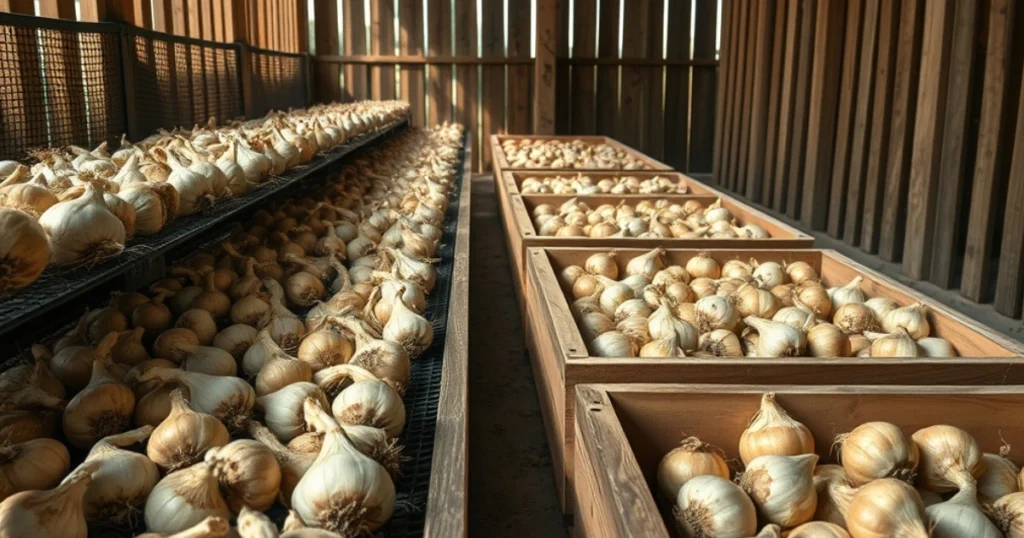
Over the months, as the skin dries and the bulb continues to develop, you’ll find that it keeps giving—just not forever. It has a limited shelf life, sure. But in those few months, you’ll get to enjoy culinary moments that make all the effort worth it. With proper cured storage conditions, you might even stretch its life a bit longer, ensuring you can enjoy the harvest deep into November—sometimes beyond.