A Fresh Start to Tomato Glory
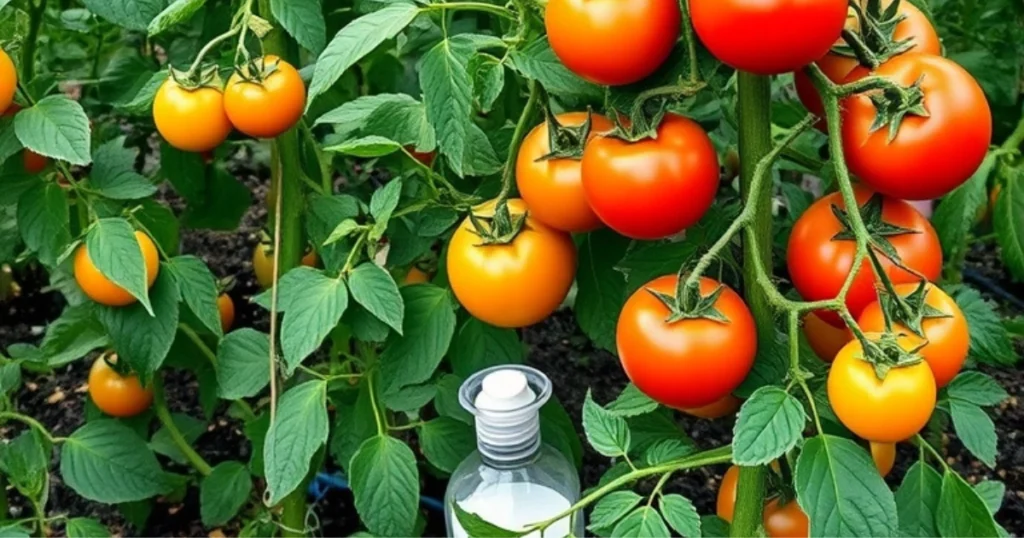
There’s nothing better than biting into a sun-ripened tomato straight from your own garden—the sweetness just doesn’t compete with store-bought. I still remember the first one I ever plucked—so tangy, so delicious, and all mine. Whether you’re after that dream BLT, homemade salsa, or rich sauce, growing your own is the real goal each summer. Start from tiny seeds, watch them turn into rich fruits, and you’ll be harvested in no time. Trust me, your sandwich will thank you. If you’re dreaming of perfect homegrown vegetables, this is every step you need to take to reach tomato-growing glory.
Smart Choices & Simple Tips
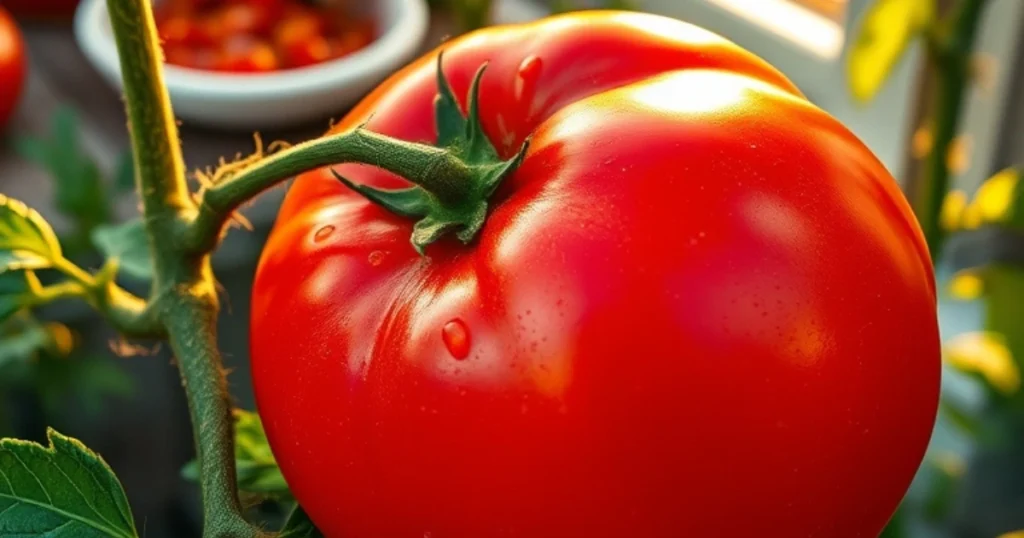
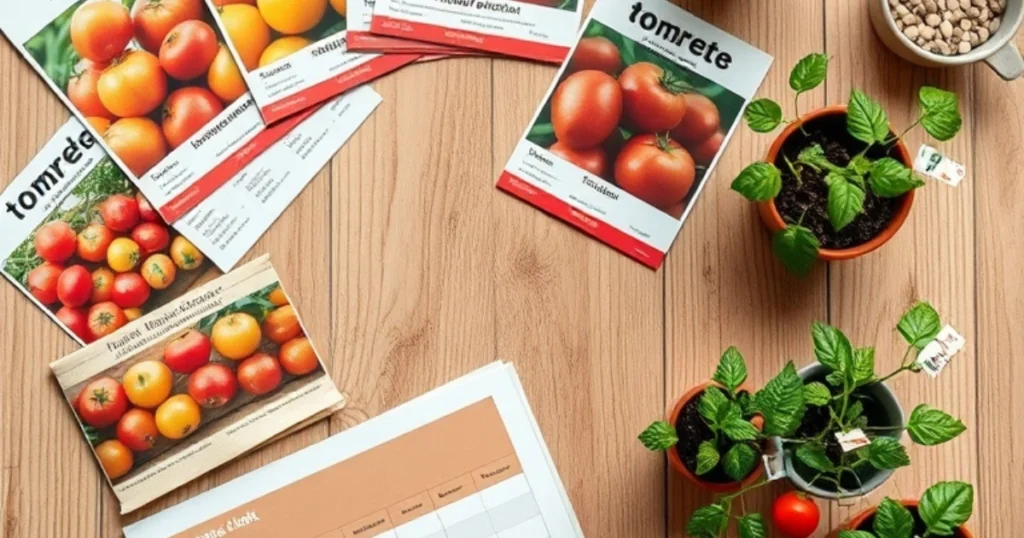
Choosing the right varieties seems confusing because there are so many, but a good tomato chooser helps you pick the best match for your garden. It helps to learn some basic tomato terms too—like hybrid, determinate, indeterminate, and VFN—so you know what‘s susceptible and what has disease resistance. Grow a range, including disease-resistant types, especially if you’re a beginner. When you select seedlings, focus on when, how, and where to planting—in the ground or containers. Follow practical step-by-step advice on watering, fertilizing, pruning, and care to keep your plants healthy till harvest. The skill is learned over time, but with these tips, you’ll succeed. Also try pairing with fava bean greens—they’re great for the soil! Tomatoes are a fruit, sure, but also the most popular vegetable in home gardens—beautiful in their colors, sizes, and shapes, totally money-saving, perfect for fresh-eating, and worth preserving.
Choosing the Right Tomato Variety
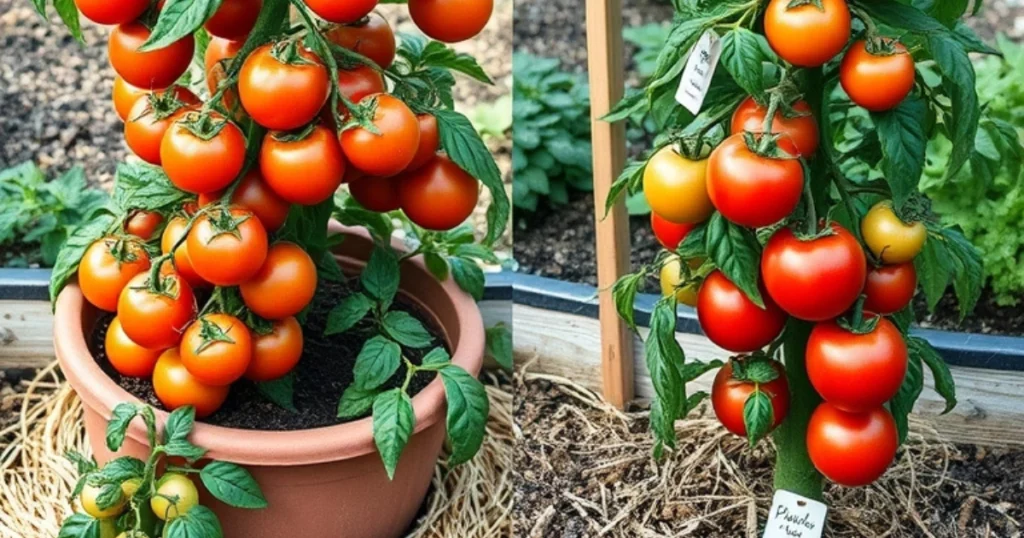
Finding the right types of tomatoes depends on space, season, and goal. Bush or compact plants grow just a few feet tall, need no staking or caging, and ripen all their fruit at one time, perfect for sauce or canning. These are determinate and ideal for containers, small spots, or basket and hanging setups. If you want more harvest through the summer, try indeterminate, vining kinds like beefsteak or cherry. They grow on a single stem, need support, and produce fruits in a staggered, evenly spread from mid-season to late-season. These large varieties are great for slicing and need room to thrive. I always check the growth, leaf health, and production as the tomato plants mature. Use mulch to hold moisture and shield from frost. Whether your garden is wide or small, your personal selection, setting, and how you grow make all the difference.
Easy Seedling Start for Tomato Growing
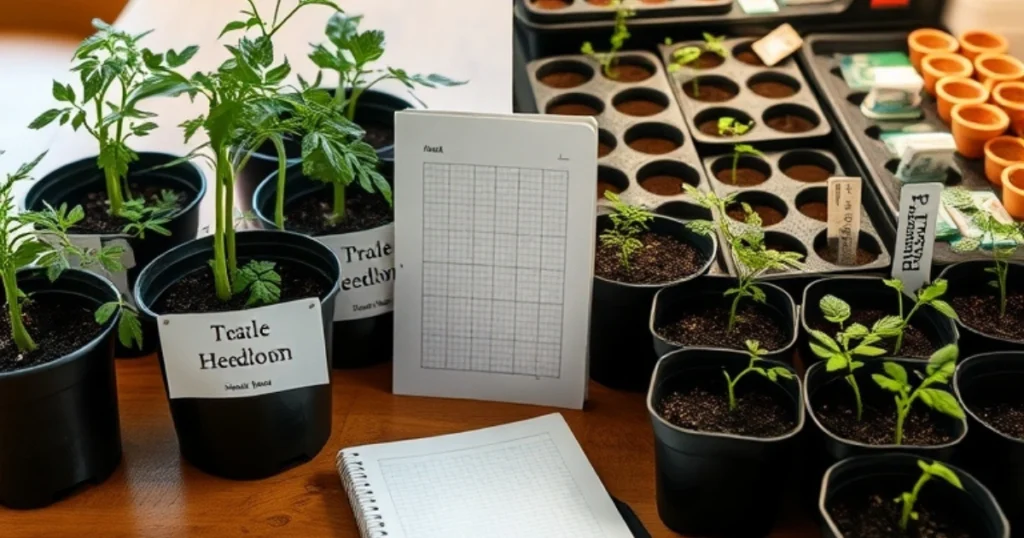
When I first started growing tomatoes, I didn’t have the time or space for a full indoor setup, so I chose seedlings instead of learning all the seed starting fundamentals. It was the best move — I got to plant, care for, and grow strong tomato plants without worrying about lights, supplies, or a dedicated home system. While big stores and boxes usually offer a limited number of options, I’ve found rich heirloom varieties at local farms and markets. They carry some real gems! If it’s your first season or you’re growing just a small batch, I recommend this route. You’ll handle fewer tasks, skip the early weeks of starting seeds, and instead get straight to caring and learning how things grow in your own garden. It’s a great choice for those who want to focus more on the plant part and leave the additional steps to someone else. Just start with healthy ones, plan a spot, and stick to easy tips — that’s how I got hooked on growing tomatoes every year.
Picking the Best Seedlings for Planting
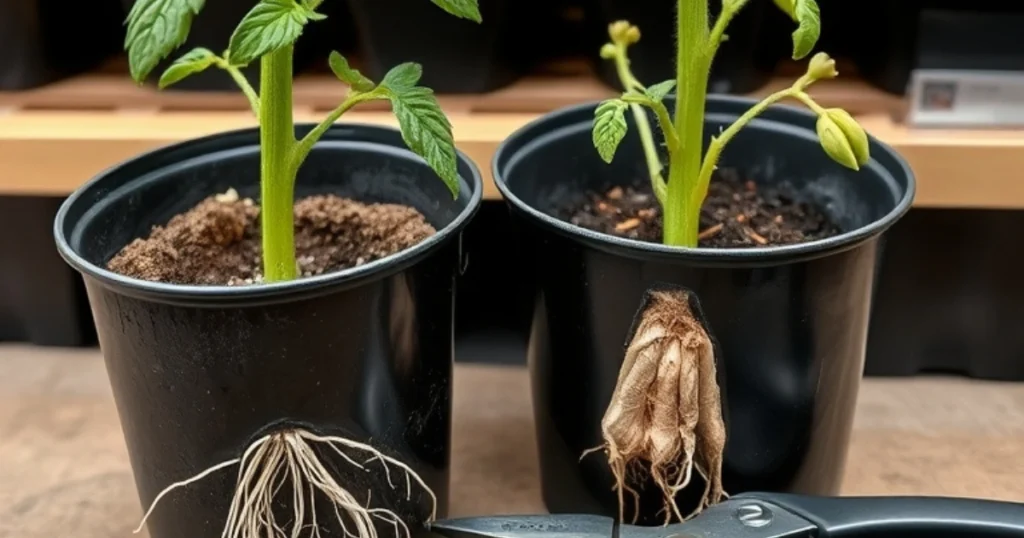
Starting your tomato garden right means selecting seedlings that look strong and healthy. I always look for short, stocky ones with dark, green leaves that are free of any spots like yellow or black. If the leaves look wilted or leggy, that’s a red flag. I gently pull one from its pot to check the roots — they should be clean and not swirling around the bottom. I also cut any blooms off before transplanting so the plant puts energy into growing, not flowering. A common mistake is to assume transplants from a big box store have been hardened off, but many places don’t specialize in plants, especially if you’re purchasing from somewhere not local. That’s why I always take time to do it myself and know exactly when to start hardening off seedlings. A proper system really helps your tomatoes take off after planting.
Step-by-Step Tomato Planting
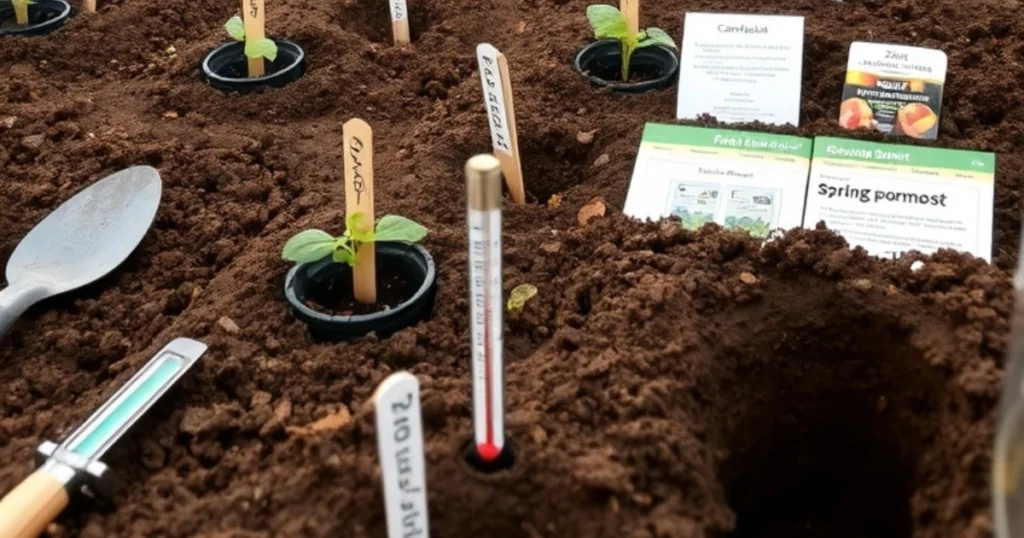
To plant tomatoes the right way, you need to work with the season, understand your zone, and start at the right time. I always start my seeds indoors, especially in colder regions, so I can put strong starter plants into the ground when the soil is warm enough in spring. This is important because tender warm-season crops just cannot bear frost, especially during an early fall or late winter. If you’re in a warmer zone, planting outdoors earlier might work great. Choose a reputable nursery if starting from nursery plants, and space small tomatoes well—they need enough sun to grow, flower, and harvest properly. In my own garden, I learned that depending on the variety, tomatoes can take 60 to 100 days, so knowing the requirements of each variety is key. Late planting can delay fruiting, and shady spots affect the flavor. So whether you’re a new or experienced gardener, follow these personal tips for perfect tomato results: choose good varieties, plant in rich soil, avoid frost, and love every step of the process. Give each plant the head start it deserves, and every tomato you pick will remind you why this is one of the most rewarding crops to grow.
Best Sunlight and Soil Tips for Tomatoes
One of the most important parts of growing tomatoes successfully is giving them the right conditions — especially sun, soil, and temperature. In my garden here in the United States of America, I make sure to plant in a location with full sun — at least 6 hours of direct sun per day, and sometimes more if I can. This works especially well in zone 5 and northern climates, where growing seasons are shorter and colder. I always choose well drained, rich soil, which helps the roots stay strong and healthy. For those in zone 7 or more southern climates, I’ve found that some partial shade or shade protection during the hot afternoon makes a big difference, especially when temperatures rise above 30C or 86F. If it gets very hot, your plants might drop blossoms or even fail to set fruit. I also like the idea of sunlight behind plant in the early afternoon to reduce harsh exposure. Whether you’re up north or down south, knowing your climate zone and how heat affects your crop is key to growing healthy, productive tomato plants.
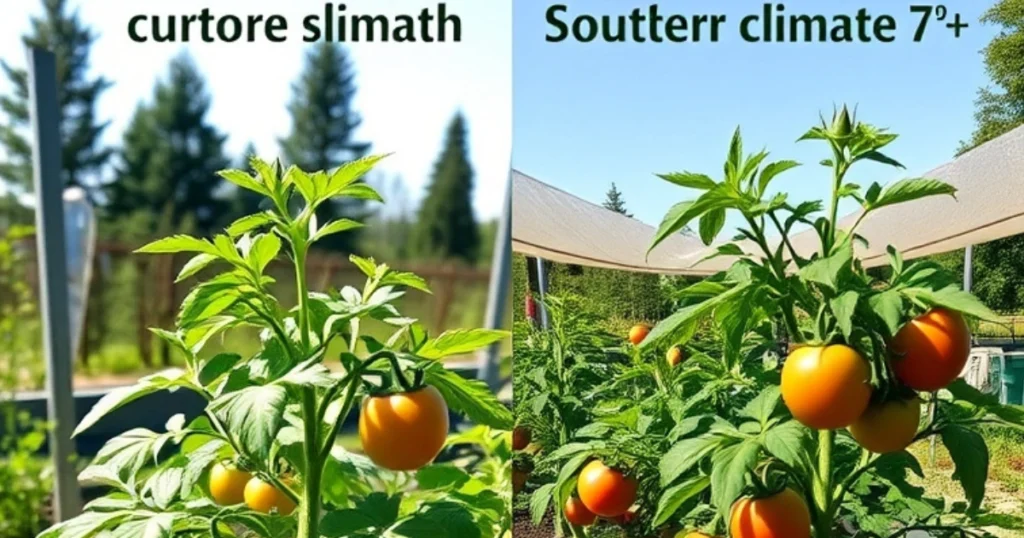
About Tomato Plants
If you want the best results in tomato gardening, timing is everything—put your plants in the ground too early and they might not survive the frost, especially in cooler regions or during a late spring. I’ve learned the hard way that tender, warm-season crops like tomatoes really love the sun and absolutely cannot bear cold nights. In most areas, it’s important to wait until the soil is warm enough, though in Zone 10, you can actually grow them during fall and winter. When it comes to starting, you can either plant small starter plants from a reputable nursery, or start from seeds indoors to get a head start, especially with longer season requirements. Tomato planting takes planning—for instance, mine usually take 60–100 days to harvest, depending on the variety. Experienced gardeners always look at varieties closely and know their planting window, and many even use old tricks like adding wood ash tomato growing into the mix for stronger growth and better yields.
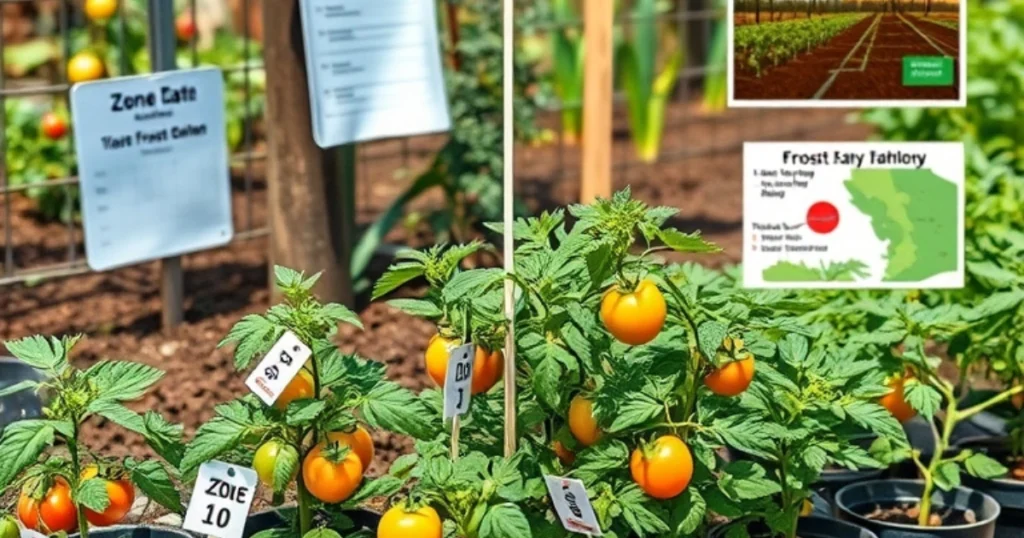
Easy Patio Tomato Growing
If you’re short on space, don’t worry—container veggie garden ideas are perfect for growing tomatoes right on a balcony or patio. I often plant just one tomato per pot, picking determinate types like bush or dwarf varieties which are ideal for small containers. Choose a large container, at least 20 inches wide, with holes at the bottom to let excess water escape into a tray. Fill it with potting mix that’s loose, well-draining, and rich in organic material, about 12 inches deep. Make sure your plant gets at least 6 hours of sun each day, and check it daily—containers dry out quickly, especially during heat waves, so it’s key to provide extra water to keep the soil moist. Some cherry tomatoes and taller types may need to be staked early as they grow. After trying dozens of setups in my own garden, I’ve found this method keeps things simple yet incredibly productive.
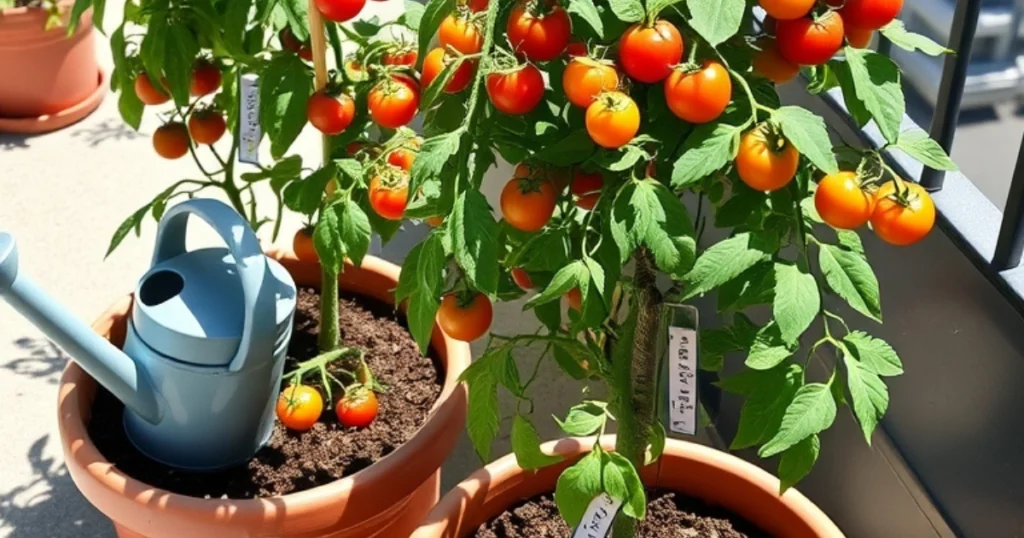
Keeping Tomato Plants Safe from Pests and Disease
In my garden, I’ve learned that the easiest way to keep tomato plants healthy through the whole season is early prevention and good habits. I regularly check the undersides of leaves for bugs and eggs, and I always hand pick and crushed anything I find. It also helps to remove and discard any diseased parts to stop issues before they spread. I like to under-plant or inter-plant my tomatoes with companion plants like basil, marigolds, mint, or nasturtium — they not only smell great but attract beneficial bugs and help deter pests, making it a powerful method of natural pest control garden care. I also make sure my plants are well-pruned with good air circulation, and I prune using clean pruners, always wiping them between each plant, especially if it’s wet. Keeping up with proper hygiene is one of the best defense strategies. To further prevent problems, I apply a layer of mulch like shredded leaves, grass clippings, straw, compost, or even wood chips, though I make sure to avoid dyed ones. This not only protects the soil but also stops water splash that can bring disease back onto your plants. And remember, the goal isn’t just to treat, but to stop anything from affecting your tomato success in the first place by following smart best practices.
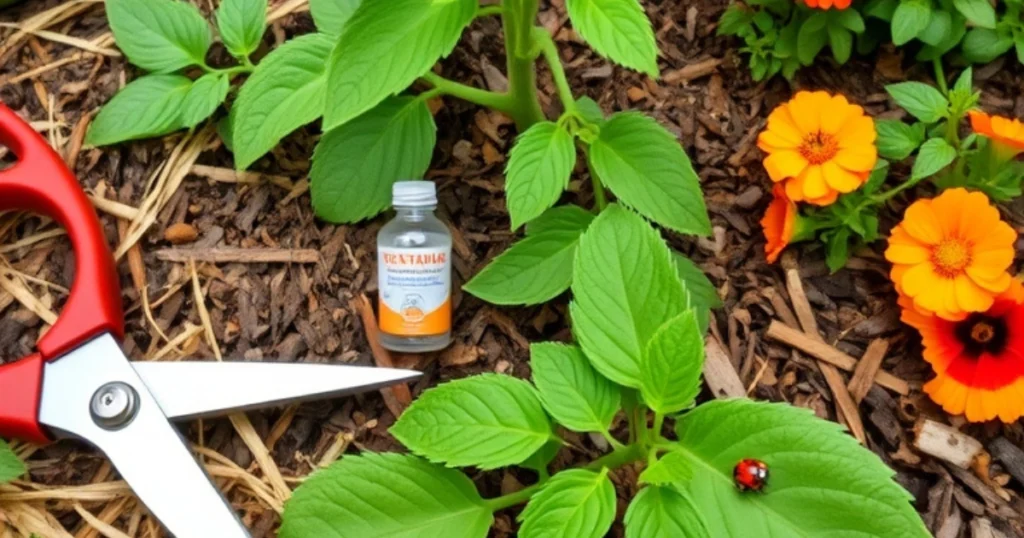
Best Way to Keep Tomatoes Fresh
A big part of growing great tomatoes is knowing how to store tomatoes the right way. I’ve found that keeping fresh, picked ones at room temp, either indoors or in a shaded outdoor spot, helps hold their real flavour and texture. Never refrigerate them — cool temperature ruins the compounds that give them that sweet, rich taste. When the colour starts changing from green to a pink or yellow blush, they’re in the breaker stage — still firm but starting to ripen, and perfect for using soon or saving.
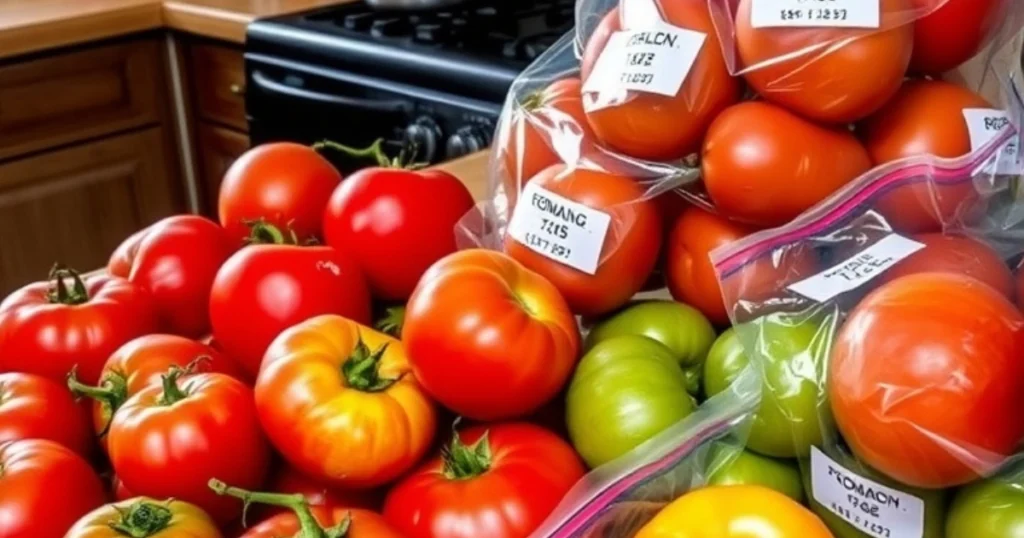
For long-term use, I usually core the unblemished ones, place them in freezer bags or containers, seal and label them, and then freeze. When you thaw them, the skins slip off so easily — ready for salsa, salsas, or a simple pan-fried appetizer. Sometimes I get creative and make dried batches for later. I also like to mix variety — some medium-green, some firm, some fully ripe — it all adds to better food. You can also store, can, or freeze in small chopped portions, depending on how you cook.
This method is quite like how to prepare garlic for storage — it’s about timing, choosing unblemished crops, and knowing where to place them. Whether you’re saving them for the future, tossing into a dish, or just enjoying the vibrant, bright garden tomatoes, good storage keeps everything tasting fresh.
Final Thoughts: Smart Advice for Growing Tomatoes Successfully
One of my best pieces of advice for growing tomatoes is to focus on strong beginnings and careful attention through each growing season. I always start with seedlings in rich, well-draining soil, and make sure they get plenty of direct sunlight. I plant them deeply to encourage more roots, which builds a better root system for strong, healthy tomato plants. Having enough spacing ensures good airflow, while consistent watering — keeping the leaves dry — protects against fungal and bacterial diseases like late blight, gray mould, powdery mildew, or anthracnose. I also add a light spritz of baking soda—a tip that surprisingly helped me boost my yield and production over 30%. As part of ongoing care, I add sturdy support to help the plants grow tall and productive. And in late August or early September, I always remember to stop off the tops — pinching out the growing tips to stop vertical growth and let the plant focus its energy downward. These small habits, especially in my country garden, have turned out to be my go-to secret for better tomatoes year after year.