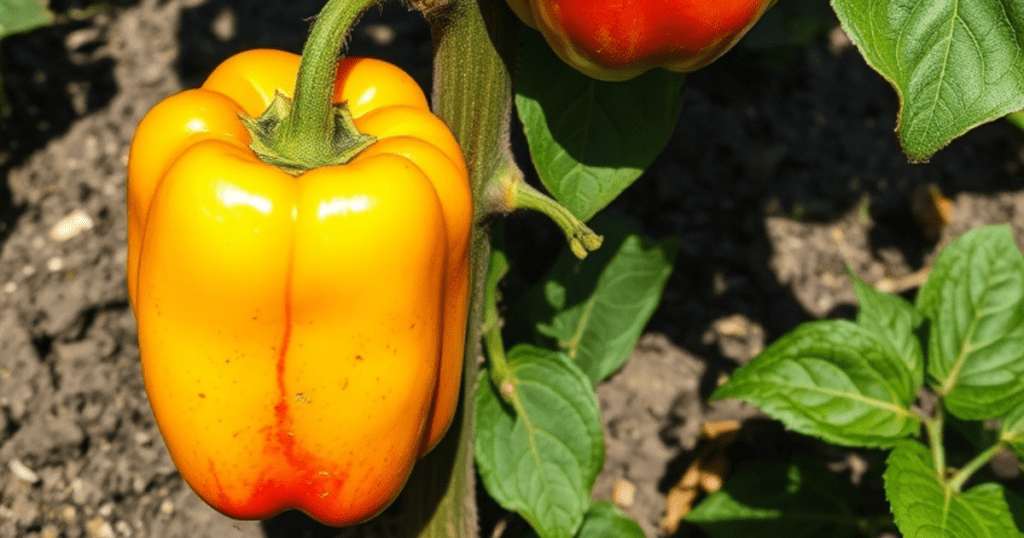
The Role of Flowering in Bell Pepper Development
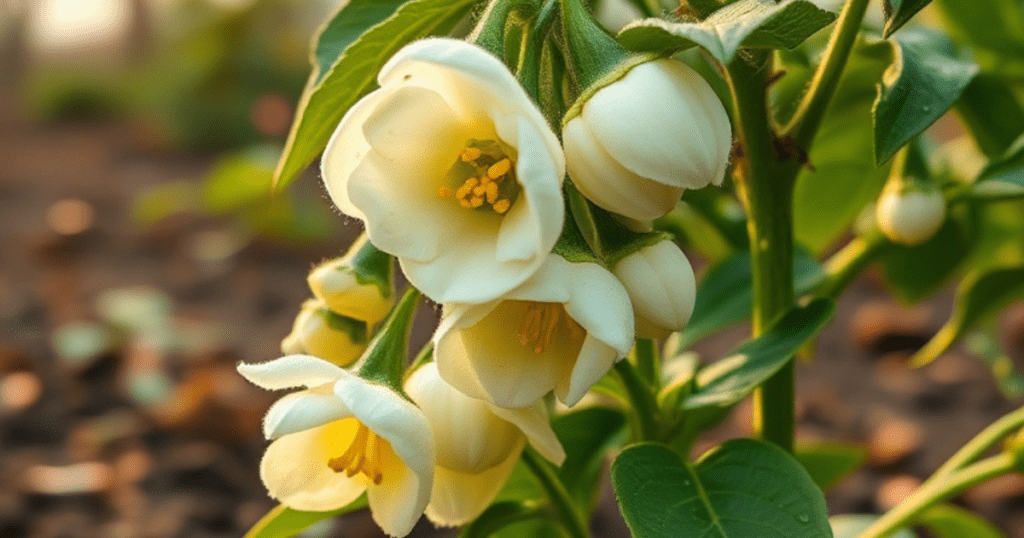
One of the most exciting parts of growing bell peppers is watching the flowering stage begin, often marked by small, pale flowers that eventually open into a beautiful cluster, signaling that your plant is ready to produce. In my experience here in the US, particularly in zone 6, my North Star variety has always listed strong results on its tag, especially when I’ve begun transplanting into a raised bed with rich topsoil, clay, compost, and sand mixture. Right after transplant, during cooler weather, I apply fertilizer to the roots to help it adjust before heat waves hit later in the timeline. Don’t forget to harden your plants, especially on cloudy days – skipping this step has cost me a break or two when soft branches snapped beneath swollen, fruiting areas. I once counted sixteen flowers on a single bushier plant, using cages to help support the weight as it grew taller, eventually needing more staking when midsized peppers began to ripen to a light blush. A good gardening guide showed me how important early pinching and topping is—though it’s debated, it really boosted my yield even in partial shade with fluctuating degrees.
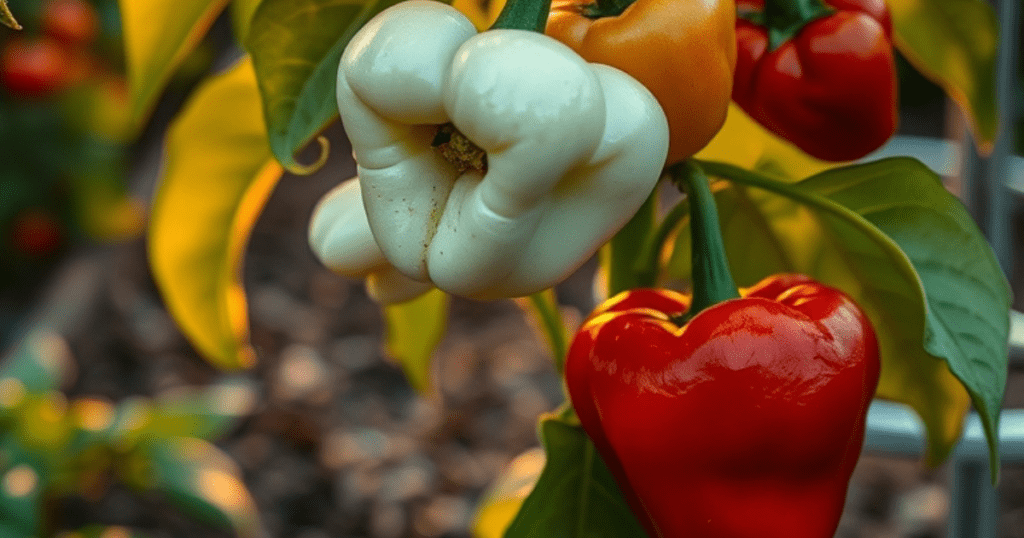
The spectrum of growth during this stage ranges from bright orange, red, even rare purple, and tracking this process with unedited photos gives you an accurate look without the filters. I’ve learned the value of measuring firmness with a light touch, especially during hot days when the plant shifts energy quickly. As for protection, I apply mulch, use shades, and occasionally mist with misting sprays that keep soil moist and prevent leaves from drying. At this stage, even a thin, fading petal can be a sign of poor pollination or too much windy exposure. I’ve had success using LEDs indoors during off-seasons—yes, even next to tomato starts—and found that converted basement setups using air flow and warm temps helped simulate outdoor climates. Some plants show partial color shifts due to uneven lighting, so I rotate peppers gently to ensure even exposure to the sun. Watch for full color transition over 3-4 weeks, especially on sides facing the sunset.
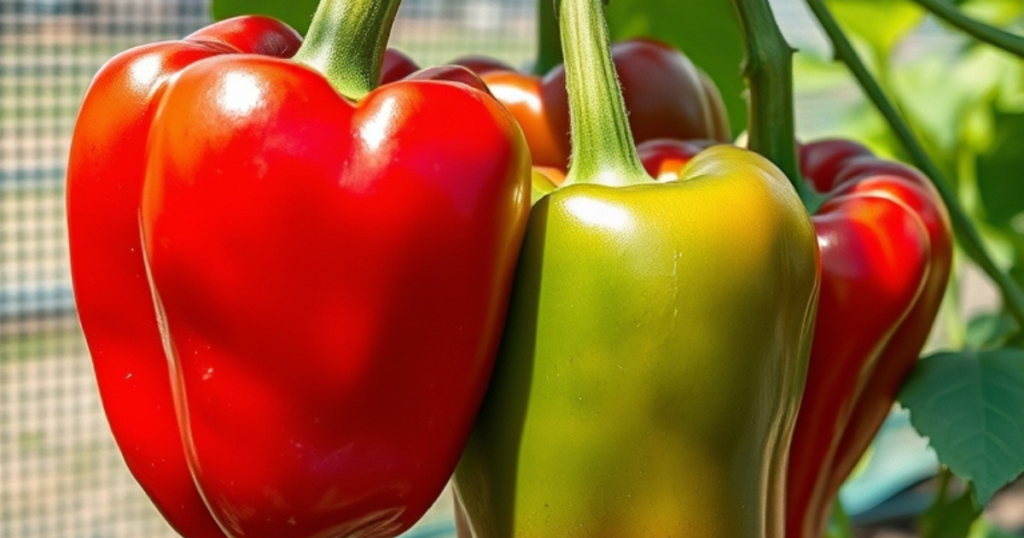
My climate here brings sudden drops, so I’ve had to be protective, using shading, cages, and soft PIN clips to attach branches. Some flowers won’t make it—aborted, broken, or bitter in flavor if they form too early or late, especially when pollinated poorly. A few spicy aromas come from mature fruits, and some even have that sharp citrusy smell when rubbed. I’ve harvested them at all stages—green, crispy, sweet, crunchy, even soft and red-brown, depending on the development and nutrients in the soil. Testing firm fruit with a light squeeze, checking the stem, watching for brightness, and noting the angle they hang can all indicate peak maturity. With enough spacing, strong support, and the right seed, your flower-to-fruit transition will be smooth—even better if you’re tracking converted or reshaped planting methods using compact, high-light beds or side-lining them with nuggets of warm blood meal for extra nitrogen.
On hot days, I’ve seen flowers open, with the heat causing fast drying—leading to splitting stalks if watering is inconsistent. I’ve cleaned many a broken trunk, often a result of poor support or skipped topping, especially if zones like mine experience rapid growth. Just like knowing when to plant potatoes can make or break your harvest, picking them too early risks flavor loss—though they’re still edible, the sweet, maturing taste only shines when you let them ripen fully. I’ve learned to appreciate the subtle hints—like brightness, color, and firmness—by simply observing, documenting, and listening to what the plants tell me through their changes, like how stalks get thicker, or how blooms show up in different light conditions. Over the years, this mix of learning from vendors, using resources, and hands-on growing with varied timing has made my bell pepper flowering stage not just productive—but deeply rewarding.