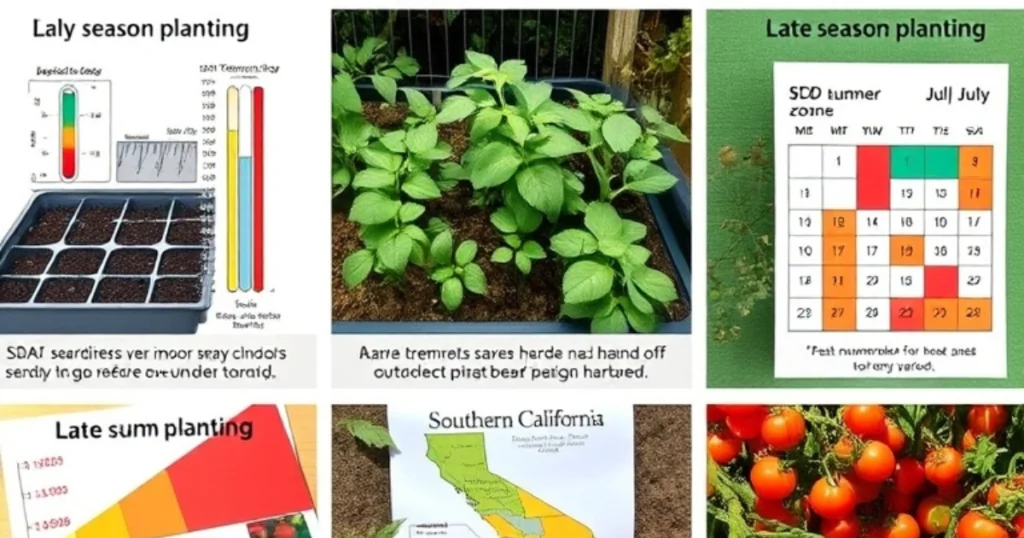
Know the Right Time to Grow Tomatoes
If you want a bountiful crop of homegrown tomatoes, the key is to understanding the timing and knowing the best time to plant tomatoes after the danger of frost has passed. Since tomatoes can die or suffer injury if the temperature drops below 32ºF or 0ºC, I always wait for warm weather in my area. Tomatoes grow best in a specific range of temps, and once you learn how to start early and plan, you won’t miss your chance. Even if you miss the early start, with the right simple concept, you can still enjoy your favorite fruit of summer grown right in your garden alongside other vegetables and fruit that you love.
Ideal Planting Window for Tomatoes
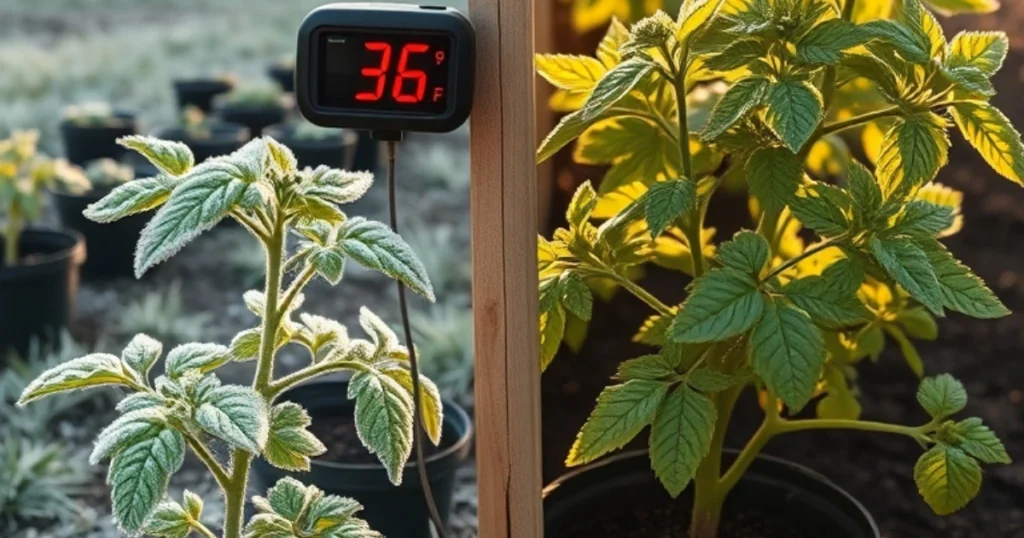
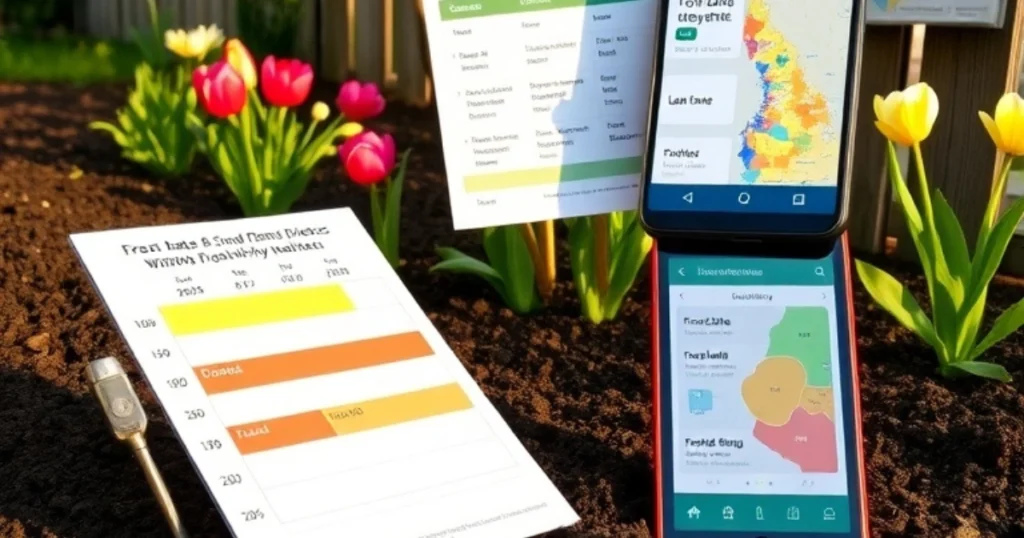
To grow healthy tomatoes, the right soil temperature is key—use a soil thermometer or even a simple finger test to check if it’s at least 60 degrees Fahrenheit. Based on your zip code, tools like a zip finder or frost date finder will show your average last frost date, often somewhere between April 19th and May 4th. These are based on a 50-50 chance and 30% probability windows, and they help gardeners plan for enough frost free days. For example, Idaho may only have 84 freeze-free days, while South Texas might get a long growing season with 100+ days before it gets too hot. In either region, waiting 1-2 weeks after your average frost ensures you’re planting in soil the tomatoes can thrive in.
Tomatoes need warm nights above 50 degrees Fahrenheit and daytime highs between 55 degrees and 85 degrees to set fruit and set color. If planted too early, sudden thunderstorms, hail, cold fronts, and winds—especially near the Rocky Mountains—can damage young plants or cause flowers to fall off. If you live in a cool season climate, use a greenhouse, hoop house, or high tunnel for added protection. And if planting varieties like Roma tomato, which takes 80 days to reach maturity, timing and weather matter. A smart gardener watches the climate, keeps records, and marks key dates on their frost date calendar or calendar for smarter future plantings. Remember—planning in early spring helps beat the heat of June and July, when 100ºF days can slow harvest and cause stress from flooding.
Avoid This Costly Tomato Planting Mistake
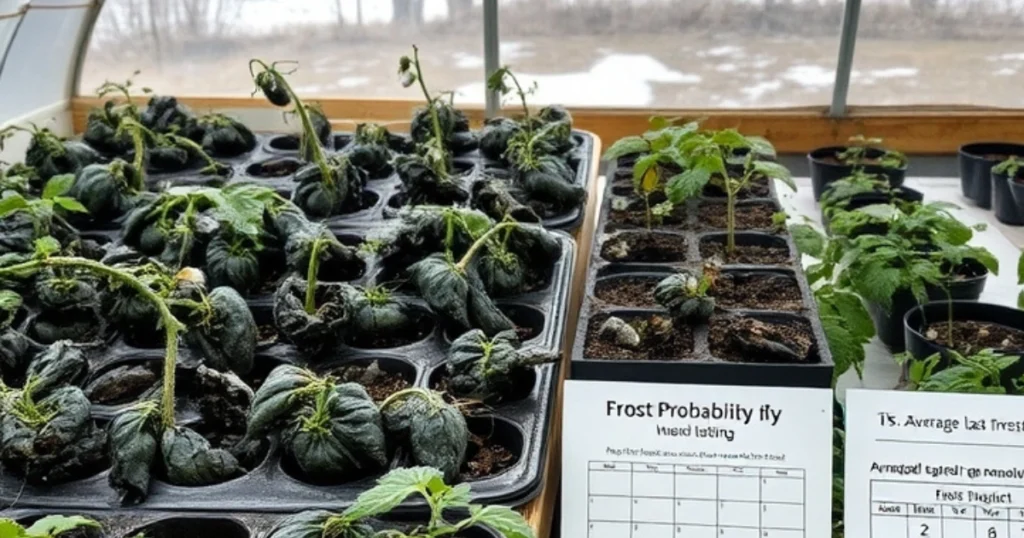
One big mistake I see each spring is people rushing to plant tomato and pepper too early, thinking the warm sun means it’s time. I once made that error with some friends and placed seed trays in our hoop house in March, only to face a late frost and storm that severely damaged the plants—it was a truly devastating loss. We didn’t figure the probability of a freeze was still high before the average last frost date, and our unheated space couldn’t handle the sudden cold. Over time, I’ve come to understand that good gardening means being patient, studying weather records, and letting nature work so you can enjoy a healthy harvest in summer—plants need time to grow, not just love.
Extra Factors That Influence Tomato Planting Timing
One piece of advice for growing tomatoes is choosing the right method—direct sowing or transplanting, both depend on temperature, frost date, and soil warmth to germinate or sprout. I’ve had better luck starting seeds early in packets, growing them in a greenhouse or unheated tunnel before moving them when the season, days, and average temps are just right. If started too early, your tomato may produce less fruit or reach maturity late, especially without tracking the right number of days. Based on years of gardening, most gardeners find sow timing makes or breaks a ripe, successful harvest—it’s all about knowing when to plant and let it grow over time.
When to Plant Your First Tomatoes
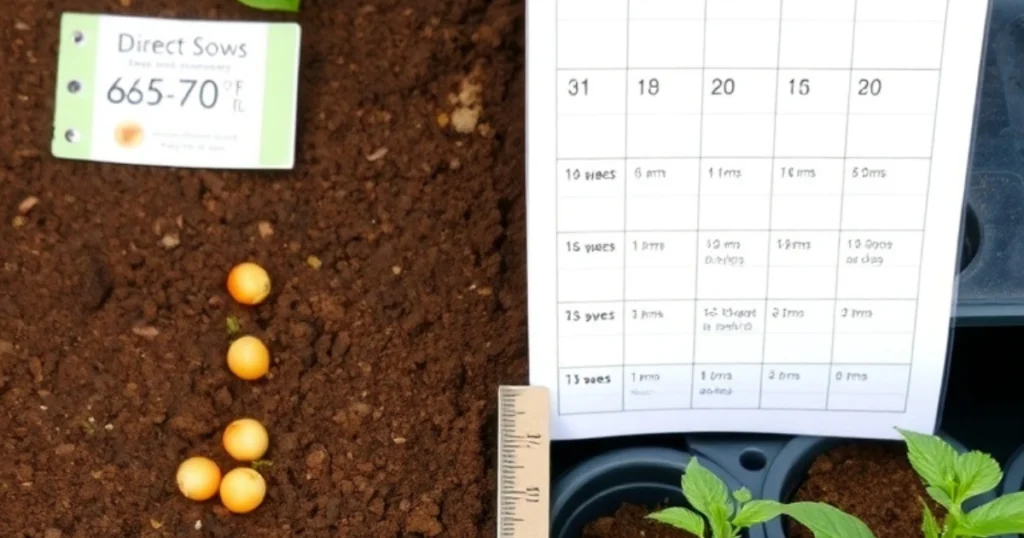
In Southern California, the gardening calendar often points to March 15 as a safe date to plant tomatoes, but as I’ve learned, environmental conditions, not just the calendar, make the real difference. According to the National Weather Service, January and February were the driest on record—even though we had good rain in November and December. That dry weather helped warm the soil early, which is great news for early planting. Once the ground reaches 60 degrees Fahrenheit, that’s your signal to start either from seeds, seedlings, or nursery-bought tomato plants already bearing flowers or fruit.
From my own garden experience, it takes about 8 to 12 weeks from seed to get transplant-ready plants, depending on germination, maturity, and your region’s average date of last frost in spring. I always check seed packets for expected days to maturity and use inexpensive materials to get an early start. This helps me grow not just vegetables and peppers, but also learn exactly how to care for tomato plants through cooler months. And nothing beats getting that earliest harvest of fully matured tomatoes right when the season begins.
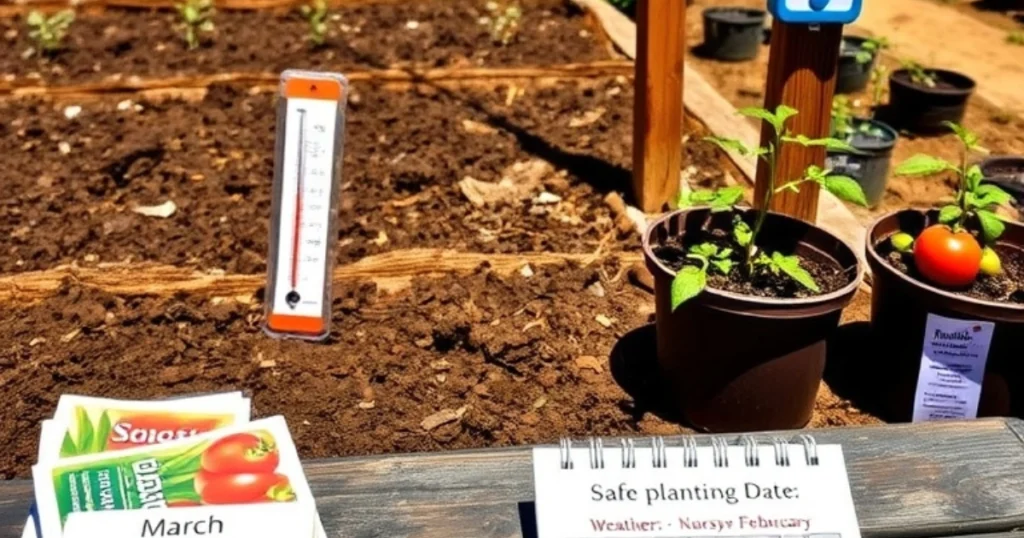
Late Season Tomato Planting
A good rule of thumb I follow is to finish planting by the Fourth of July, though Farmer Roy starts in January and stops by late summer. In warm climates, choosing varieties like Better Boy, Sungold cherry, or Celebrity that mature quickly helps ensure a fall harvest even when days grow short and the sun weakens. Late-season tomatoes still ripen with care, but the frost, cooler weather, and lack of heat may affect flavor, especially after Thanksgiving or Christmas. For the best fruit, focus your late planting on strong seedlings with flowers, avoid pests and diseases, and treat it like you would when deciding when to plant potatoes in spring or June.
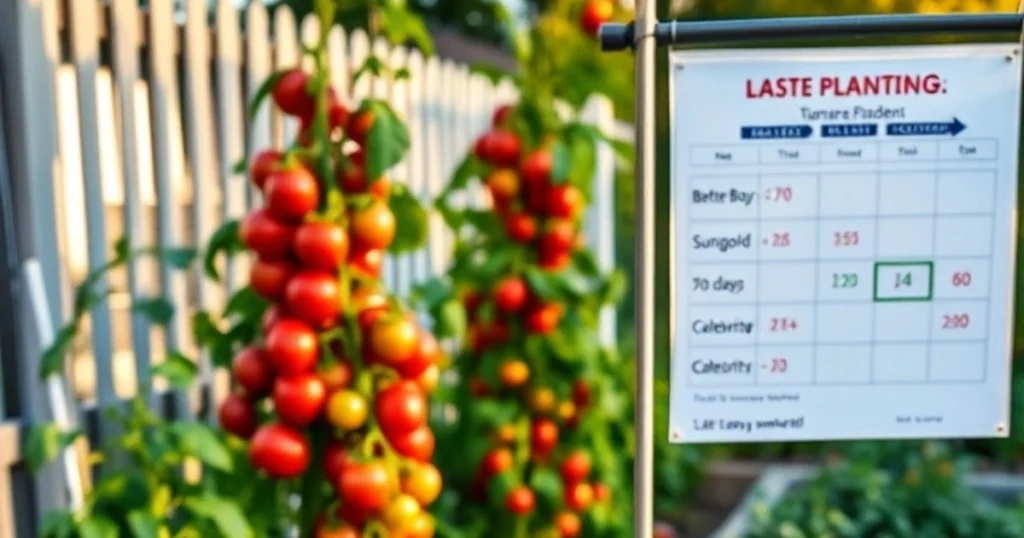
Final Thoughts on Tomato Planting
In Southern California, I always plant my tomatoes between March 15 and the Fourth of July, with early planting giving me a cherry tomato in the early round, and a late round for a fall harvest. I check the USDA hardiness zone, last frost date, and make sure nighttime temperatures are above 50°F before sowing seeds indoors or in the greenhouse, about 1-2 months ahead of planting dates. Whether it’s April, May, or late May, the timing depends on your local area, as I usually wait until mid May when the soil has passed frost risk and warmed enough in the ground. For hot, long-season climates, I’ve had success with late planting in late summer or early fall, using strong seedlings I harden off before moving outside into the garden where there’s plenty of heat, sunlight, and time for full maturity.