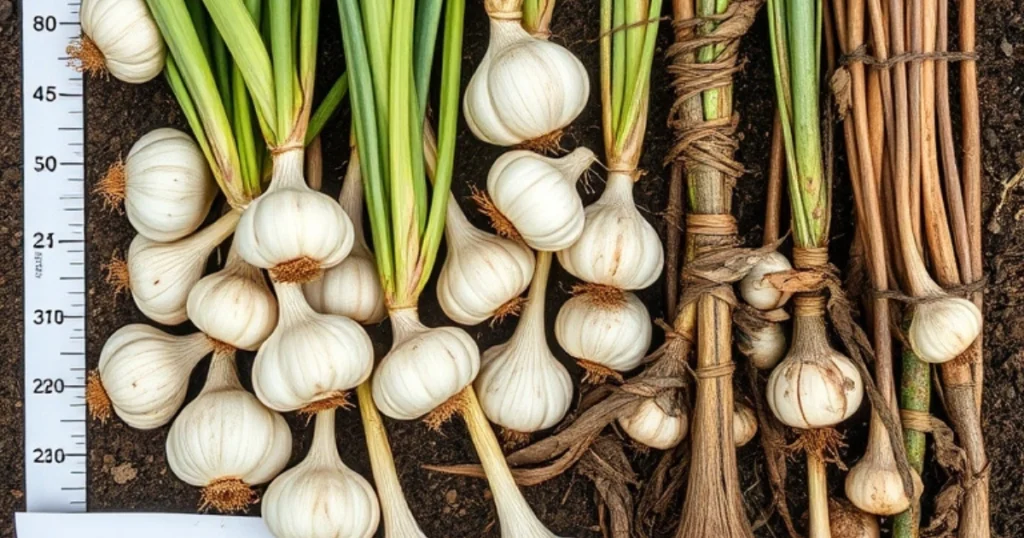
Telling If Your Garlic Is Ready
If you’ve ever decided to plant garlic in fall and waited all winter, you probably already know the thrill of finally seeing those green shoots in raised beds or tucked between ornamental garden spaces. One key part of the growing journey is knowing when to dig or pull the bulbs. The trick? Look for clear signs like drying scapes and yellowing leaves. If you dig up your garlic bulbs too early, the cloves are tiny; wait too long, they may split, becoming overripe, harder to store, and not ideal for replanting. Based on years of practical know-how, I recommend using a fork to loosen the soil gently. Hardneck garlic grows better in cold climates, while softneck garlic thrives in warm areas—huge differences that every vegetable grower should know. I usually trim the scapes a couple weeks before harvesting garlic, and that’s a small labor step that goes a long way in improving your crop. I’ve always loved how low-effort garlic is once planted, offering rich fruits and flavor year-round, especially when paired with other veggies (yes, can kale survive frost—it sure can, just like garlic tolerates cold starts!). After drying your harvest fully, proper storage ensures it lasts and retains taste. Whether in an article or through shared tips, I always share what I’ve learned—because when you plant, dig, and harvest with care, the results just pop with pride.
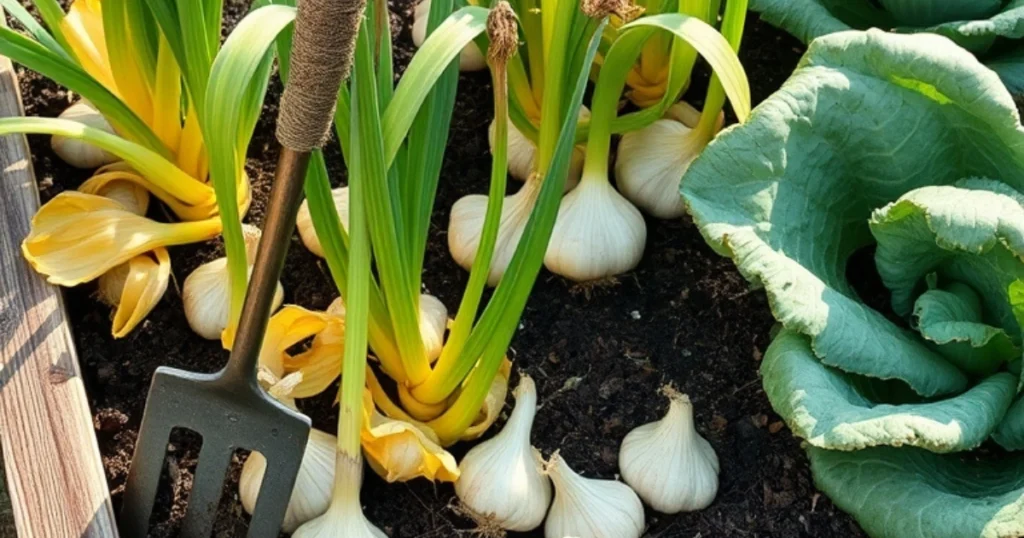
When Garlic Tells You It’s Time
From my own experience in the garden, one of the most satisfying moments comes when it’s finally time to harvest garlic. To get it right, you have to pay attention to key factors—and they’re usually in the leaves. As the green tops start to die down, you’ll notice a few brown ones near the bottom, signaling maturity. At this moment, many experts agree it’s best to act before the bulbs become overripe, which causes the cloves to start separating inside. I’ve always used a spading fork to gently loosen the soil without damaging the heads, and never pull by the stems. A sunny day may seem ideal, but you don’t want to leave your freshly unearthed garlic in direct sunlight—I spread mine out on a shaded porch, giving it good circulation during the drying process. It typically takes a few weeks for the bulbs to dry fully so they can be stored well into winter. Unlike its cousin, the onion (Allium cepa), which can be folded and lifted with less precision, garlic depends on timing to avoid loss in size and shelf life.
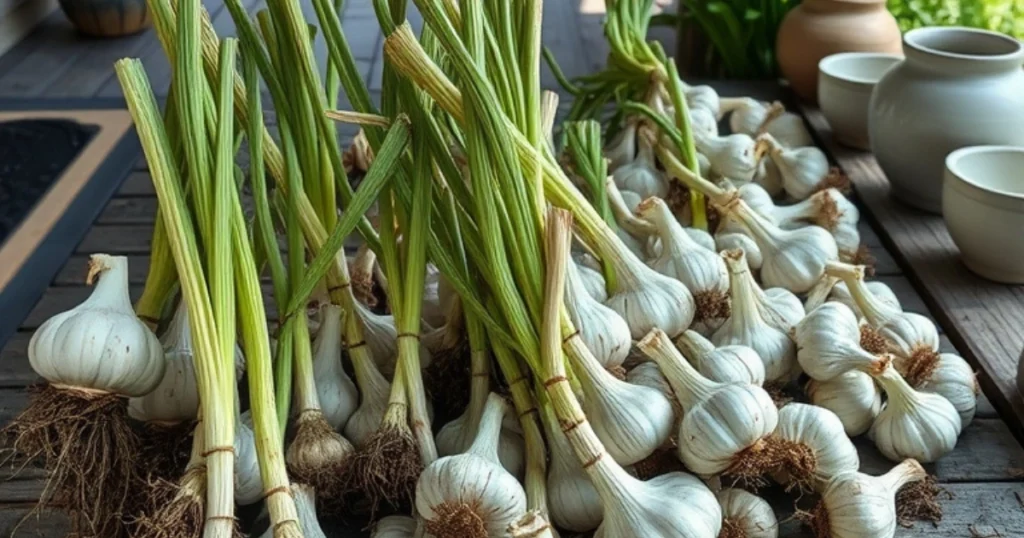
Appearance of Garlic Types at Harvest
I’ve grown both softneck garlic and hardneck garlic, and the varieties each tell their own story at harvest. Softneck kinds, like what you see in the supermarket, have outer and inner cloves that are harder to peel, but they store longer. Their stalks stay soft, which makes them perfect for braiding. Hardneck garlic, however, thrives through cold and heave-and-thaw cycles of northern winters. Its sturdy flower-stalk and woody scapes curl up in June, letting you know the bulbs need just a few more weeks to reach full size. One visual clue I trust is when five or six upper leaves stay green, but several lower ones have gone brown—this is my cue to begin trimming. After I cut the tops and roots, I leave them curved neatly in my shed. I’ve even used the scapes in stir-fries, grilled, or pressed into pesto. These extras aren’t just tasty—they help the plant redirect energy back into the production of a strong stock bulb. Whether it’s prepping roasted heads, tossing into soup, or comparing garlic to an oddly timed bitter lettuce plant or late broccoli in garden, the reward always feels worth the wait. One harvest took just 15 minutes for 75 heads—better than any store-bought!
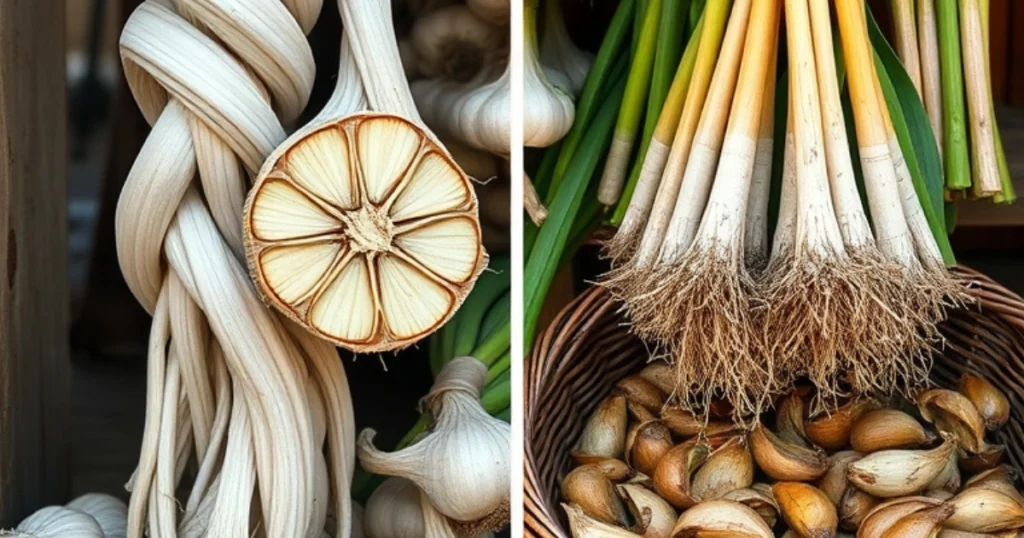
Catch It Before It’s Too Late
How do you know when garlic is ready to be picked? Watch the leaves—when about one-third to one-half turn yellow, brown, or wilted, that’s your window. Waiting too late can cause bulbs to split, sprouted shoots, and wrappers to break down, making them unsuitable for long-term storage. Can you leave garlic in the ground too long? Yes, especially for softneck garlic and hardneck garlic, where the stalk may fall or straighten, and the outer paper wrapping gets damaged. I always pick my garlic metechi around late July or early August, just before it becomes vulnerable to pests, diseases, and loses shelf life even if still edible, because once cloves start to divide, it’s beyond the ideal harvest moment.