What Yellow Leaves Can Really Mean
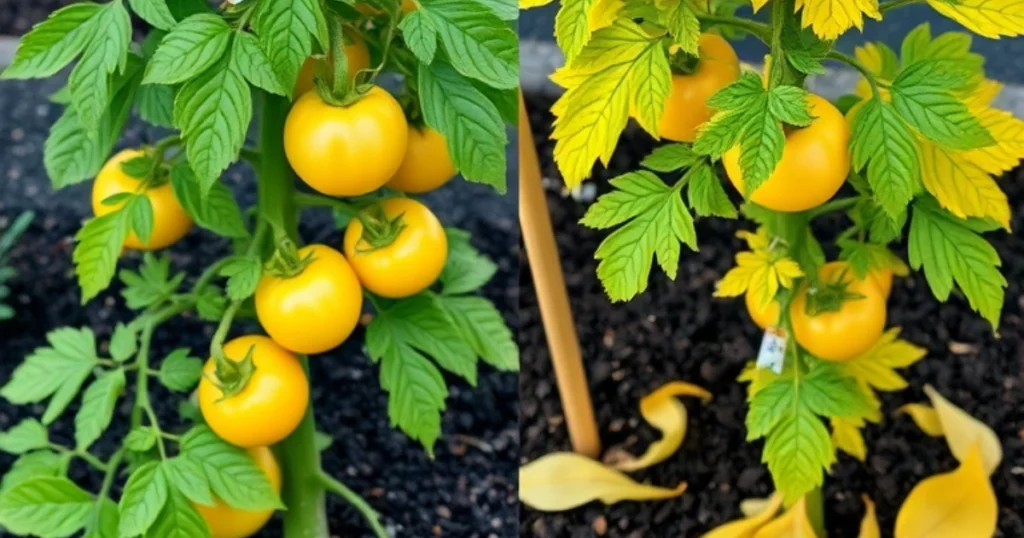
If you’re new to vegetable gardening or just love growing tomatoes, seeing tomato plant leaves turning yellow can feel scary. While it’s common to blame transplant shock or assume seedling leaves just fall off, a vegetable specialist like Joe Masabni, Ph.D., from Texas A&M AgriLife Extension Service in Dallas, says that’s not true. A healthy plant that’s well maintained from bottom to the top should have green leaves, and yellowing leaves often point to a larger problem like nutrition, disease, or stress. Whether it’s poor timing during transplant, skipping hardening off, or failing to acclimate plants to a new spot, small oversights can lead to nutritional imbalance, disease outbreak, or the die off of more than just a few leaves.
Hidden Causes Behind Yellow Leaves
When growing tomatoes watering the right way is very important, especially in a container or outdoor garden. From my experience, too much or too little water both lead to yellowing or wilting leaves with brown edges. In hot weather or scorching temperatures, your tomato plants may dry out quickly, so I always pay attention to watering habits and stick to consistent watering. You might need extra watering or deep watering during the week, and I’ve found it’s best to water at the base of the plant so the leaves stay dry. If you’re still in the planting stage, using a spray bottle till seeds sprout works well, especially when the surface of the soil dries out.
Another reason you might see yellow leaves is salt damage caused by table salt, sodium chloride, or any excess mineral present in your water. If your water contains a heavy amount of salt, use plain water sometimes to flush out the buildup. Let it leach out fully to keep your plant roots safe. I recommend using drip irrigation systems, which are around 90% efficient, instead of sprinklers, which run around 65% to 75% efficiency, since this helps deliver water straight to where it’s needed and helps to reduce tomato diseases. With proper irrigation, you’ll water more efficiently, even after a rainstorm, and avoid both root rot and sun damage. Whether you’re using your hand or setting up a system, it’s all about knowing your garden, learning as you go, and adjusting your routine to protect your tomatoes from these common problems.
Improper Watering Can Lead to Yellow Leaves on Tomato Plants
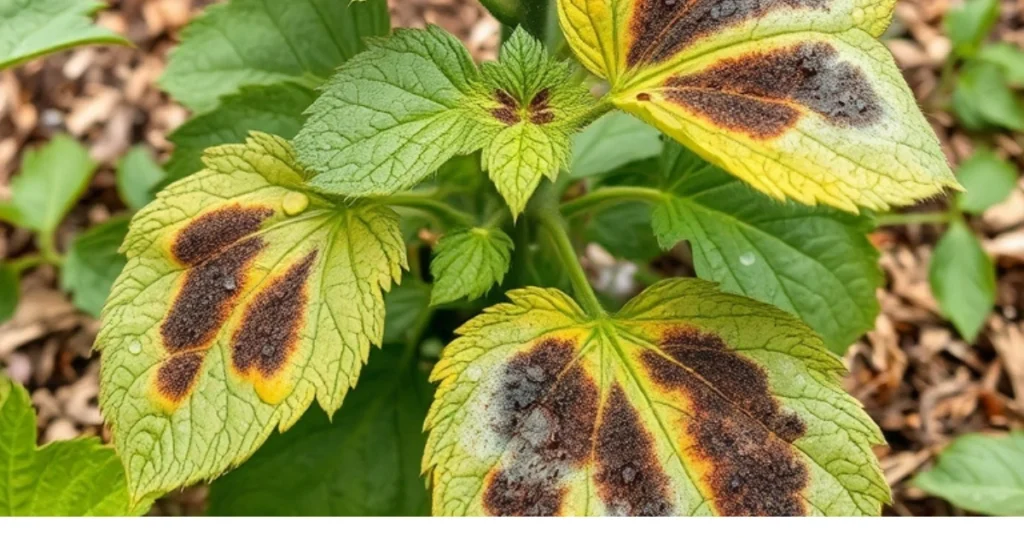
When I started to grow tomatoes in my Texas garden a few summers ago, I quickly noticed a yellowing problem at the bottom of the plant by mid-June. At first glance, I thought it was just from the heat, but I learned that growing tomatoes watering the wrong way can do real damage. One major issue is overhead watering, which can cause water-soaked lesions that open the door for fungi like leaf mold, powdery mildew, and early blight. These fungal diseases often begin with a yellow spotted appearance or a circular appearance on the lower leaves, especially during periods of high humidity or after watering during the hot part of the day. The yellowing can even coalesce, causing entire sections of leaves to turn brown and eventually die off if left untreated.
From my personal trials, I learned that the best practice is to avoid overhead watering and follow a consistent watering schedule. Always water at the ground level and apply mulch to keep the surface soil cool and moist while preventing fungal spores from bouncing up. This prevents spread of many tomato diseases like fusarium wilt, verticillium wilt, and Septoria leaf spot that love damp grounds. It’s also vital to follow specific instructions when using fungicide or fungicide protectant sprays, as this creates a protective layer against secondary infection. If tomato leaves begin to turn yellow or develop tiny black pimple-like spots, it’s time to grab a protective spray and remove and destroy infected foliage immediately. For long-term management, always grow resistant varieties and use proper prevention tactics like crop rotation and sourcing from nursery plants marked seed labeled for resistance to wilt. These small steps can prevent a full-blown infection and save the mature fruit from damage
Hidden Tomato Diseases Could Be Causing Yellowing Leaves
When my tomato leaves began to turn yellow, I first blamed the soil or maybe the intense heat here in Texas, but soon discovered that several tomato diseases were quietly at work. One of the first signs of disease I noticed was small pimple-like spots on the lower leaves, gradually creating a circular appearance that began to darken and turn brown. After a little digging—literally and figuratively—I learned about the dangers of fusarium wilt, bacterial wilt, and verticillium wilt, which creep in through poor soils or secondary infection. Symptoms start with a scrambled stem or brown vascular tissue that you can find when you lightly scrape the stem near the bottom of the plant. Some parts may just wilt, others coalesce into large, patchy areas that dry up and die off, especially under high humidity or during the hot part of the day.
If you’ve observed a bright yellow shoot or a stunted plant with just one stem, don’t wait. Use preventative tactics like fungicide protectant, crop rotation, and mulch for fungal diseases such as early blight, late blight, or Septoria leaf spot. These often begin on older leaves with tiny black specks and spread fast in humid weather. I always tell gardeners to remove and destroy any infected area, whether it’s leaf mold, powdery mildew, or even tomato pith necrosis. Don’t forget to spray on schedule, follow specific instructions, and use fungicide use both as a protective and, when needed, a curative measure. Getting help from your local cooperative extension service in the US can also help you identify problems early. If you’re not proactive, even your mature fruit could suffer before the plant succumbs. For the future, just like I’ve started doing, always grow resistant varieties, protect your garden, and don’t forget to rotate your tomato crop next year.
Lack of Nutrients Could Be Turning Your Tomato Leaves Yellow
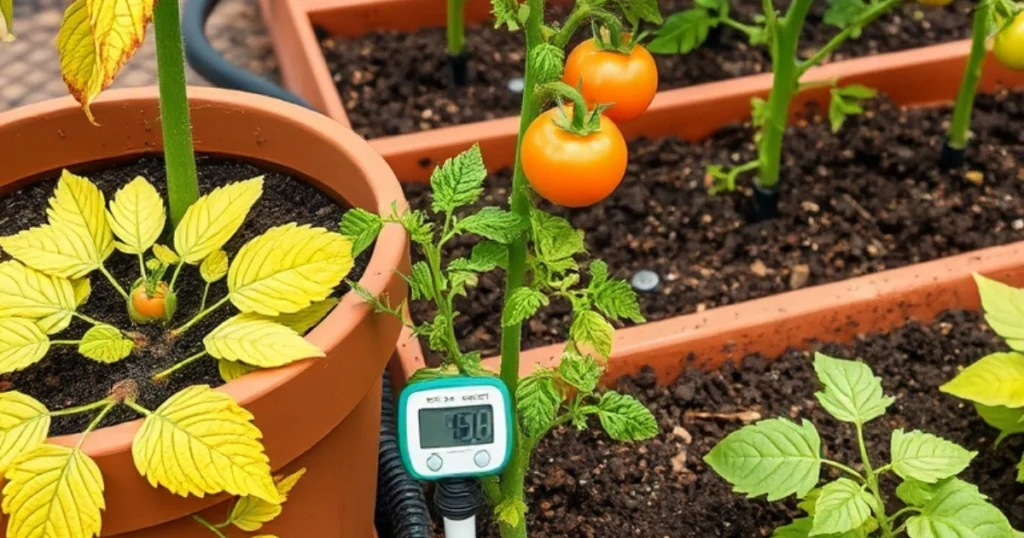
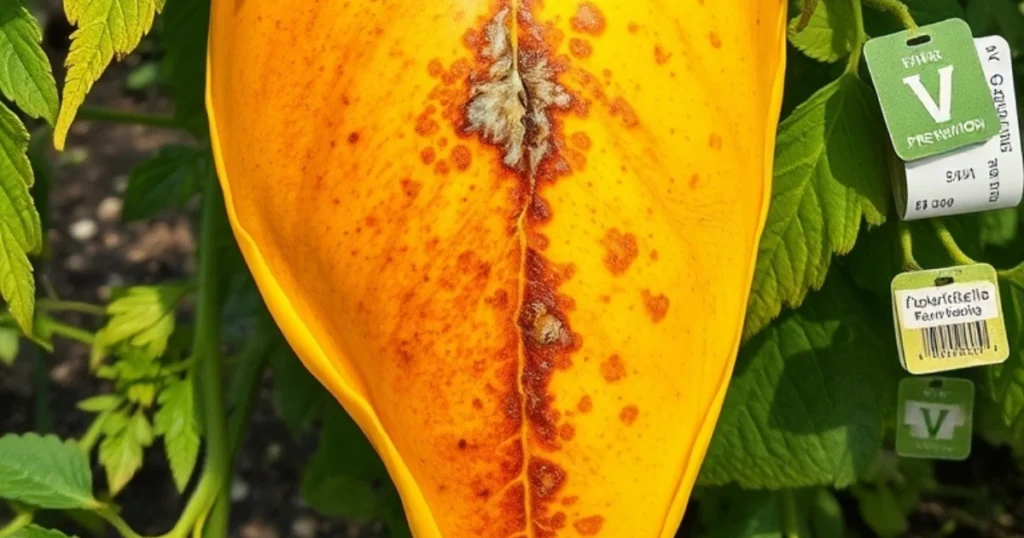
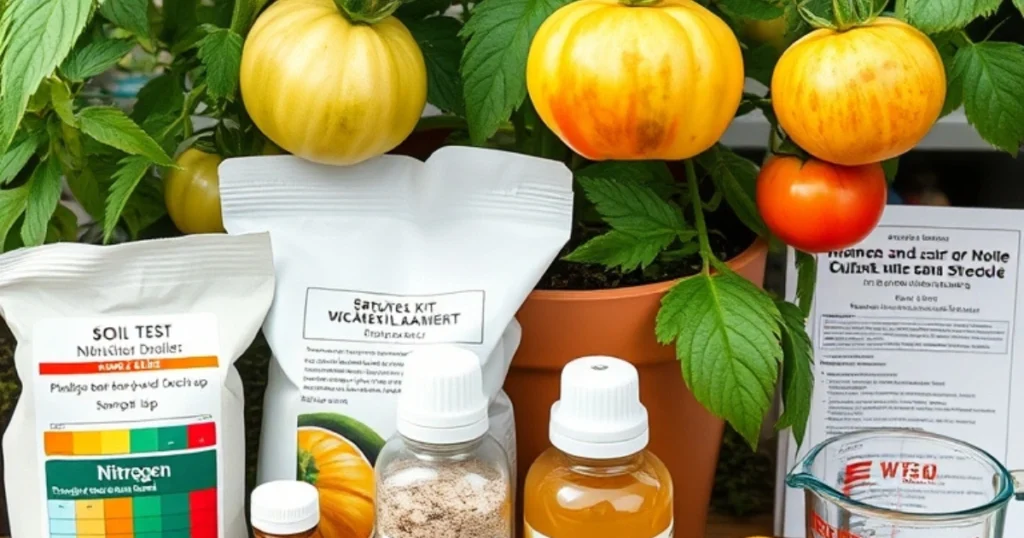
When I noticed yellow leaves spreading on my plants, I checked for pests first, but the real issue was in the soil. Testing soil helped me pinpoint missing nutrients like nitrogen, magnesium, and iron, all common causes of chlorosis in younger leaves and older leaves alike. Fertilizing tomato plants on a schedule became part of my routine, using both organic fertilizer and blends rich in micronutrients like calcium, copper, zinc, sulfur, and phosphorus. A magnesium deficiency, I learned, shows speckles on older leaves, while an iron deficiency makes young leaves pale. I began to fertilize regularly, especially for heavy feeders like tomato, which need more than beans or cucumber. I used epsom salts for a quick magnesium fix and kept a soil moisture meter as my guide. With watering, even the best fertilizer won’t work if the roots stay dry, which is why I always do a moisture test before feeding. If nutrients get too low, leaves can turn yellow and fall off even before the plant reaches maturity. Advice for growing tomatoes always starts with proper fertilization, knowing the right fertilizer type, and keeping your garden soil tested, balanced, and well-fed — especially in containers, where moisture and nutrients drain out quickly.
Insect Pests Could Be Making Your Tomato Leaves Yellow
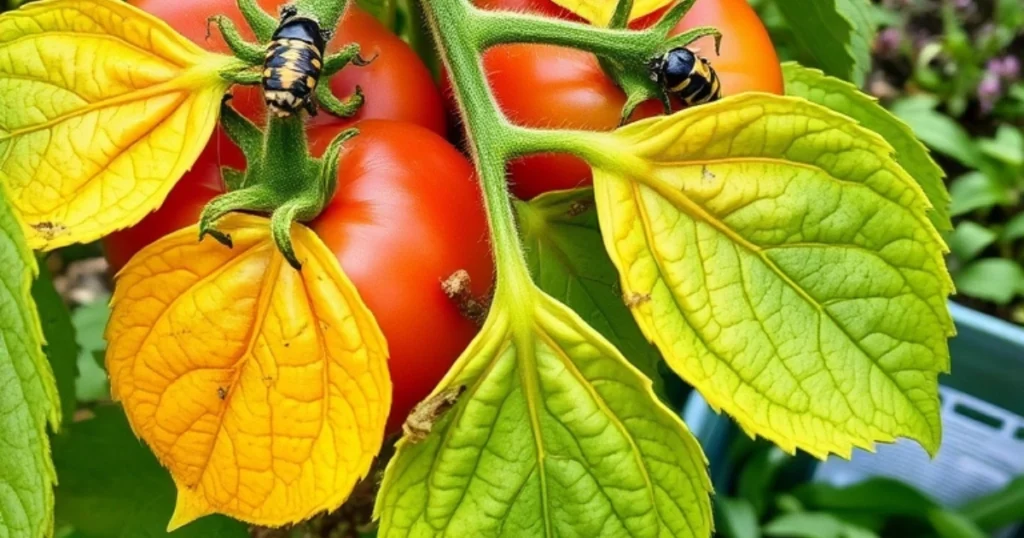
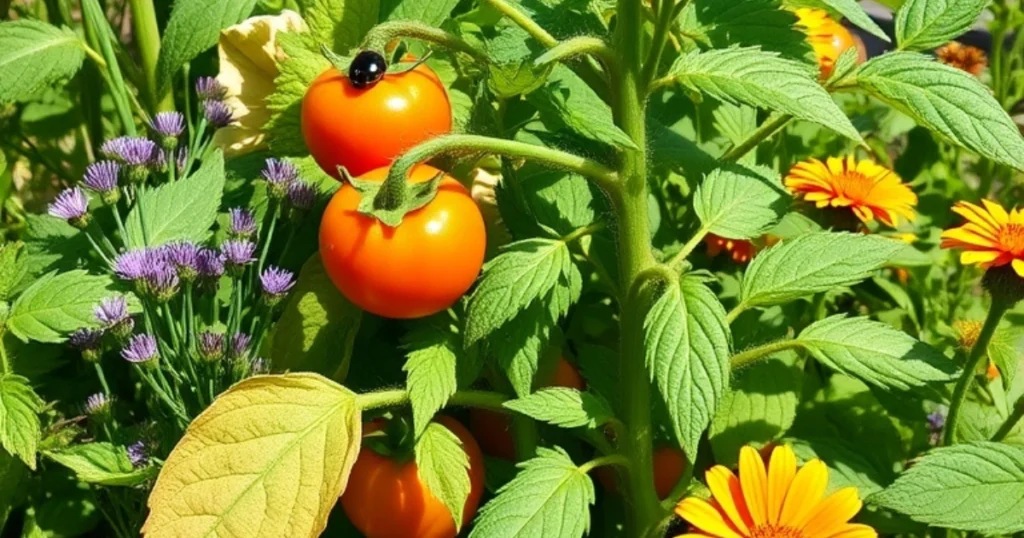
One season, I saw yellowing leaves and curling leaf tips, only to find aphids and mites adding stress to my plants. Based on years of experience and solid advice for growing tomatoes, I’ve learned that managing tomato pests starts with crop rotation, healthy soil, and smart planting techniques. I now use organic sprays, clear out dead plant material, and grow tomato companion plants like catnip, chives, and garlic to help repel aphids. In my garden, inviting natural predators instead of relying on chemicals has reduced damage from harmful predators naturally.
Tiny Pests Could Be Weakening Your Tomato Plants
I once found yellowing leaves and curling leaf tips on my tomatoes, only to realize tiny aphids, mites, and other predators were causing unseen damage and stress. Now, I follow smart planting techniques, maintain healthy soil, and rely on crop rotation and natural predators in my garden. I remove dead plant material, spray organic sprays, and grow tomato companion plants like garlic, chives, and catnip to naturally repel aphids and manage tomato pests. These simple steps saved my struggling plants and brought them back to life.
Frost May Be the Cause
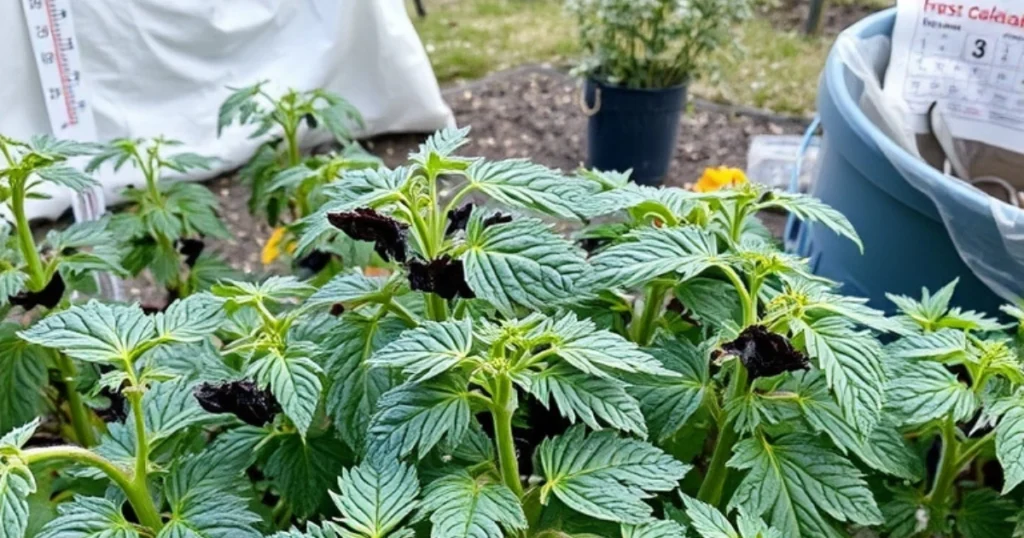
During early spring, a mild frost hit my young tomatoes, and soon after, I noticed yellowing, wilting, and blackened leaves, especially on the vines and leaf veins. I followed a simple pro tip to protect them using plastic sheeting, a tarp, or even fabric during spring nights, which helped the plant’s stem and healthy parts recover. I learned to cut off yellow lower leaves, as they act as a gateway for disease, and watched as newer leaves, vibrant leaves, and tops stayed green and kept growing. Now I avoid transplant shock by waiting for nighttime temperatures to stay in the 50s, ensuring the optimum time for transplant and proper transplant shock prevention.
Be Careful Using Spray Near Tomatoes
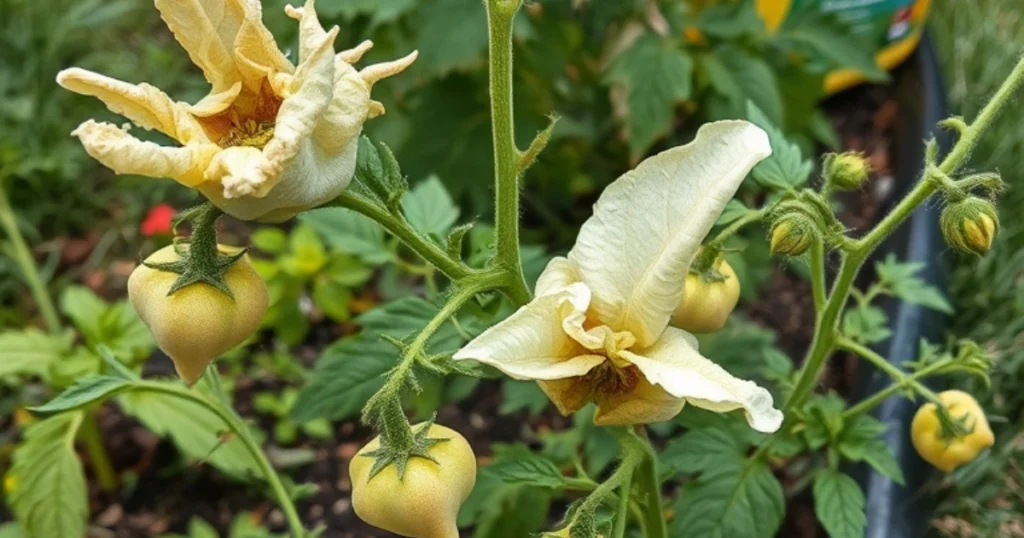
In my garden, I once saw a strange bleaching on the young leaves of my tomatoes, mainly near the new growth and soft shoots. I learned that gardeners should avoid Roundup, as Roundup harm can badly affect the inside and outside of each leaf, even on a healthy plant. Tomatoes are very sensitive, and even a little drift can hurt them. If you’re near spray zones, shield your plants or risk quick yellowing.
Final Steps to Keep Your Tomatoes Healthy
If your tomato plant is turning yellow, look at everything from mites, fertilizer, and drainage, to proper watering and spacing in a hot region. I always check tomato leaves from top to bottom, remove each yellow leaf with a clean hand, and dispose of it to stop the spread of disease. A steady schedule with the right nutrients, deep watering, and a quick spray of fungicide helps my healthy garden bounce back, even in a dry year. Also, wash hands, use fertilizer solution through the hose, and don’t forget a bit of shade during hotter days to avoid more yellowing or other problems.