Ash & Cage Combo for Better Tomato Plants
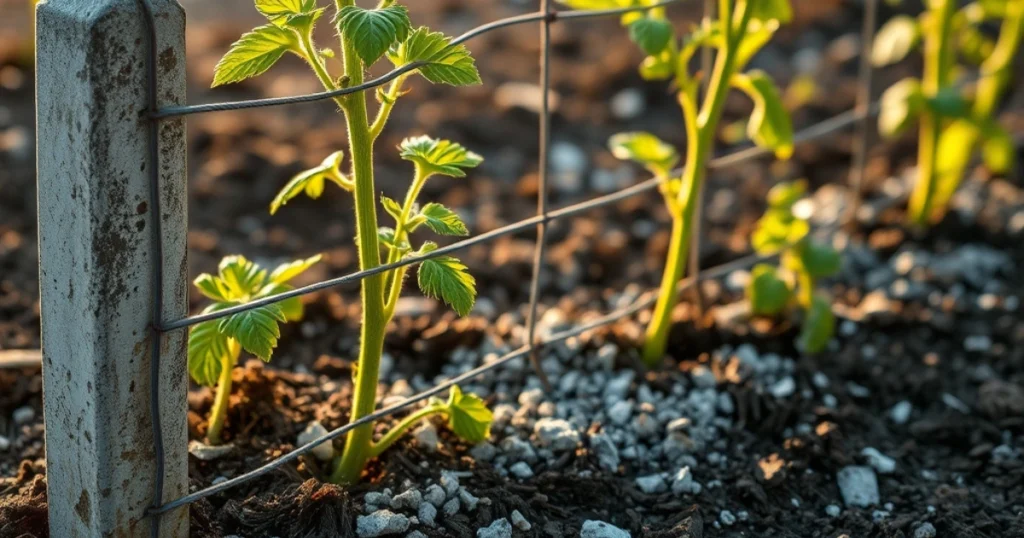
In my vegetable garden, I’ve learned that mixing ashes from the fireplace or wood stove in April with support from concrete wire tomato cages gives my tomatoes the best start. The ashes work to raise the pH level in acidic soils, helping recharge tired soil by adding a multitude of nutrients, like calcium, potassium, and potash, which are very beneficial for strong plants. This mix boosts growing, aids germination, and leads to bigger, better, and more productive blooms in no time. It’s an easy, great, and proven method that’s helped me avoid issues like rot, keeping plants safe, healthy, and always looking strong.
Using wood ash with concrete wire tomato cages makes a big difference — the cages hold heavy branches, support the structure, and allow the stems to grow strong, while the ash provides minerals the plants need in large quantities. This natural approach delivers unbelievable results, helping with strong cells, thick walls, and a huge harvest that always impresses. I always keep a small pile of ashes saved each winter, ready to use with my beloved tomato plant. It helps in raising better fruit, delivering stronger vines, adding life back to the soil, and giving outstanding results in even the most popular or tired garden beds.
How Wood Ashes Benefit Tomato Plants
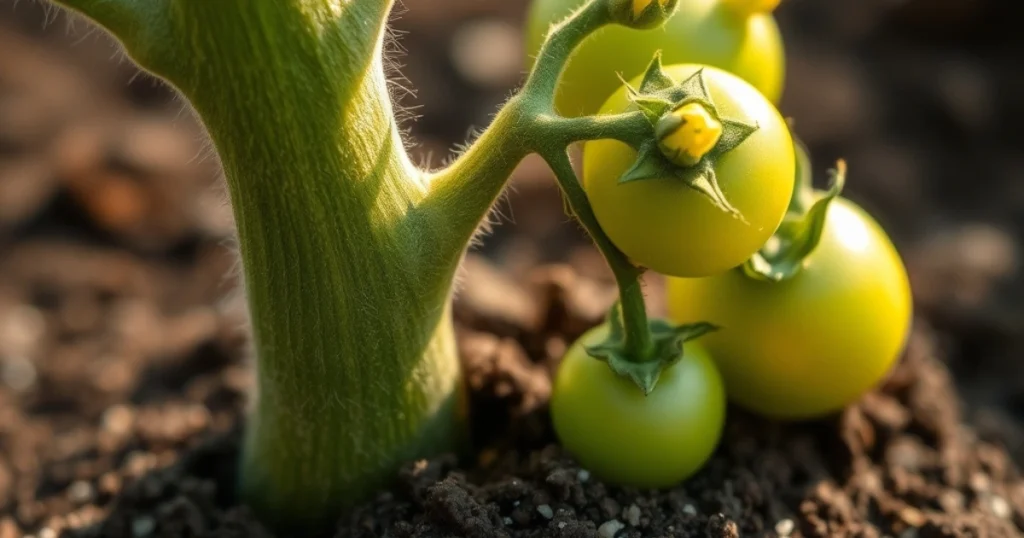
Using wood ashes is a crucial step in how to care for tomato plants effectively. The calcium in the ashes helps develop a strong structure for the plants, enhancing their stems and branches. This is especially important for preventing blossom end rot, a common disorder that can affect mature tomatoes. With the beneficial nutrients found in the ashes, your plants are less prone to becoming deficient, leading to more blooms and healthy fruit. Adding wood ash also aids in the germination of seeds, promoting successful and productive growth while keeping your plants from burns or other issues that can hinder their progress.
Enhancing the Planting Hole for Tomato Growth
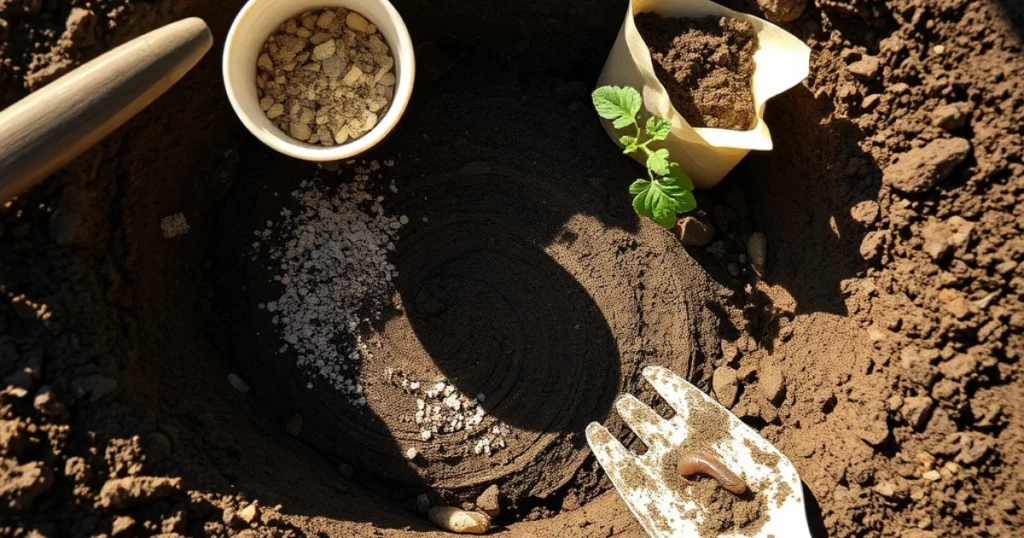
To give your tomato plants the best start, you should add wood ash and other ingredients to the planting hole. Mixing about a cup of ash with the existing soil helps the plants absorb essential nutrients quickly, promoting strong growth. When you dig deep holes for transplants, you create a better space for the roots to anchor and develop. With these simple steps, you empower your garden to produce serious results as your tomatoes thrive together.
Nourish Tomatoes Naturally with Ash Power
When working with transplants in a raised garden, I’ve seen huge benefits from using small, balanced doses of ash in every planting hole. I always apply ash at the bottom, especially in mid-season, when tomatoes need more minerals for proper growth. The potash, calcium, and potassium in the ash support healthy cells, stem structure, and allow plants to absorb water and nutrients better. I carefully test pH with affordable kits, keeping it slightly alkaline, since overuse or poor control can burn roots or harm seeds and young leaves.
Ash offers a natural fertilizer that helps prevent rot, correct acid issues in soil, and boost leafy growth without chemical sprays. For me, the real kick comes once fruits ripen; they show richer color, better lycopene, and clear appearance benefits like bright, red, juicy skins on both saladette and plum-shaped varieties. I make sure each plant has enough moisture, especially during heavy watering or sudden rains, to avoid decay or surface cracks. The antioxidant content, overall Health value, and flavor improve clearly when ash is managed with caution and knowledge.
I’ve even used this technique to help pepper transplants and tested it against other soil methods to determine the most critical growth measures. One big tip: always measure and monitor changes on the pH scale after watering, as hydrated soil handles minerals in unexpected ways, especially near the soil-end. It’s essential to avoid nutrient loss and have enough quantity nearby. Root centres, fruiting branches, and overall success depend on this balance. Ash is not just a resource, but a smart, time-tested way of growing glorious garlic, tomatoes, and more on home soil when you know how to control the change.
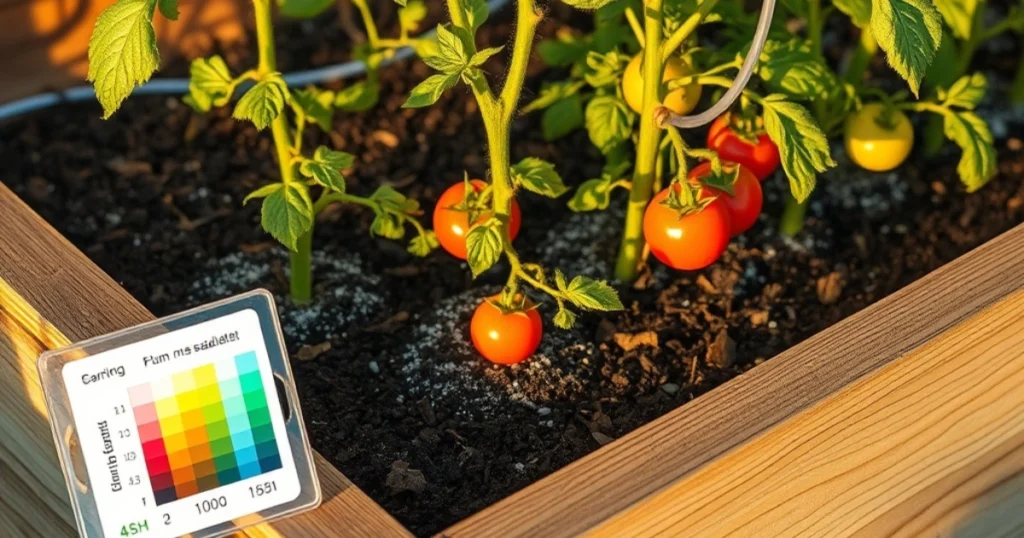
Applying Ashes as a Top Dressing
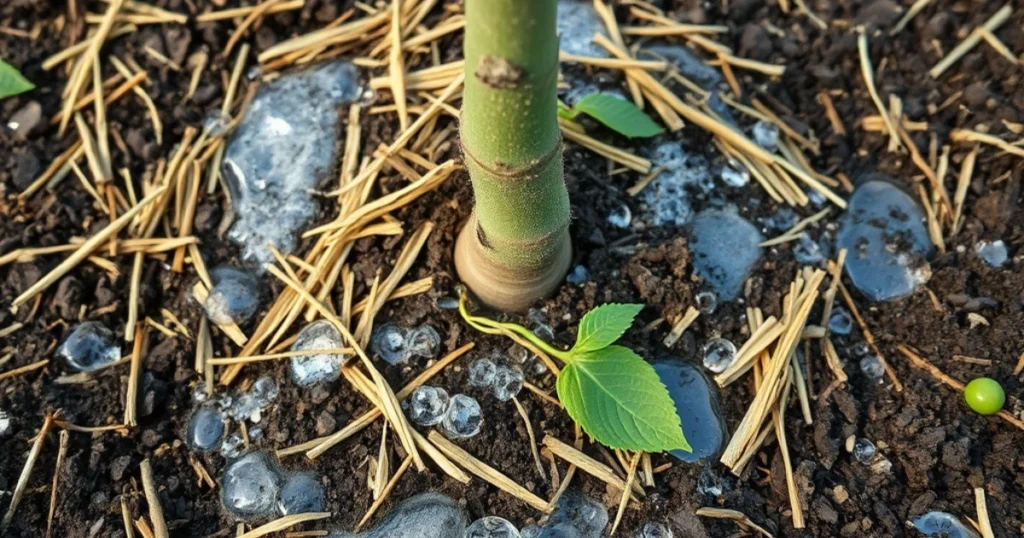
To improve your plants, consider topdressing with ashes after you have planted them, especially when you think about when do I plant tomatoes. By scattering about a cup of ash around the base of each plant, you help hold moisture and provide vital nutrients to the soil. This process allows nutrients to leach down when it rains or after you water, making sure your plants get what they need. After adding the ash, you can finish by covering it with mulch, like straw or shredded leaves, to keep everything perfectly in place.
Smart Feeding Tips for Healthier Tomato Yields
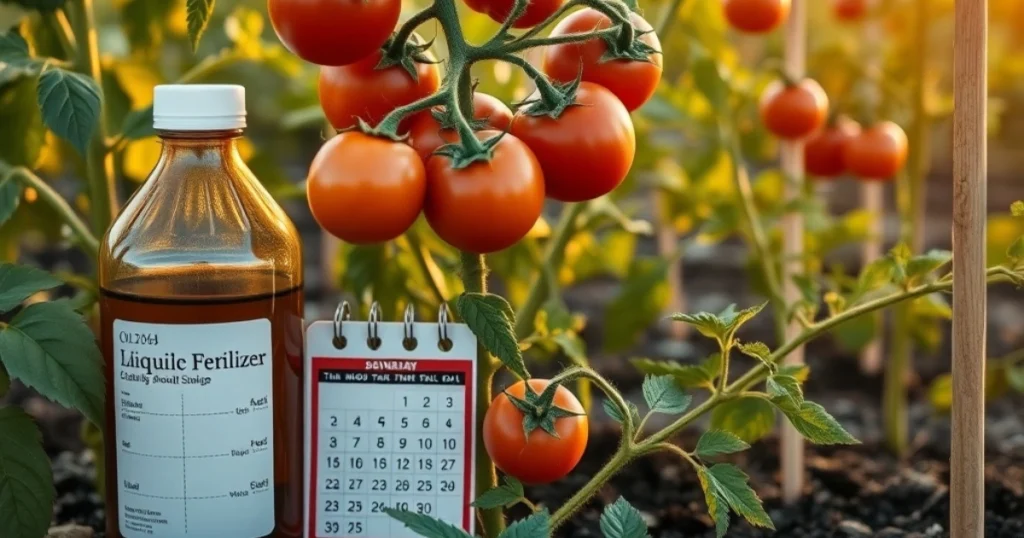
One thing I’ve learned from years of planting tomatoes is that timing and balance matter most. Since wood ash lacks nitrogen, I always pair it with a liquid fertilizer at half strength, applying it every ten days for best results. This regular application boosts nutrients steadily, keeping plants energized without forcing excessive leafy growth at the expense of blooms and fruit. With strategic fertilizing on a recommended basis, you’ll see strong crop results even in one season—take this as real advice for growing tomatoes that actually works.
Last Insight: Making the Most of Ash for Tomato Success
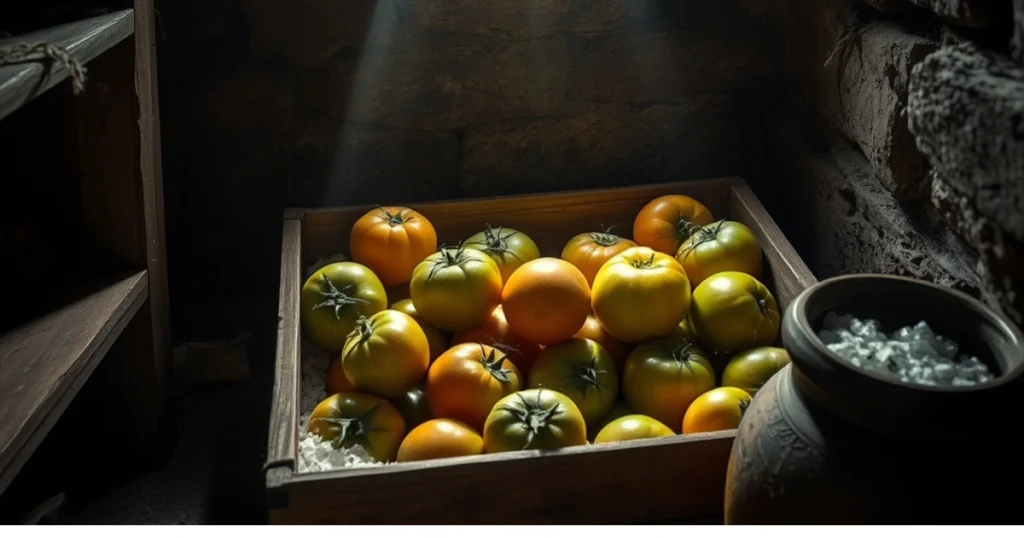
After a test of my soil, I found wood ash incredibly effective when used sparingly to protect tomatoes and enrich with potassium and calcium. The Amish discovered that placing firm, unblemished fruits in a container layered with grey, powdery ash creates a cool, dark environment that helps preserve their flavorful taste for long periods without a refrigerator. Acting as a natural, chemical-free insulator, this method absorbs moisture, blocks fungi, and prevents bacterial growth while avoiding damage to seedlings and acidic crops like blueberries and raspberry. Simply apply it away from pests and plants that love ammoniacal or alkaline soil, especially where scab affects seed potatoes—a simple, old-world process with surprisingly fruitful results.